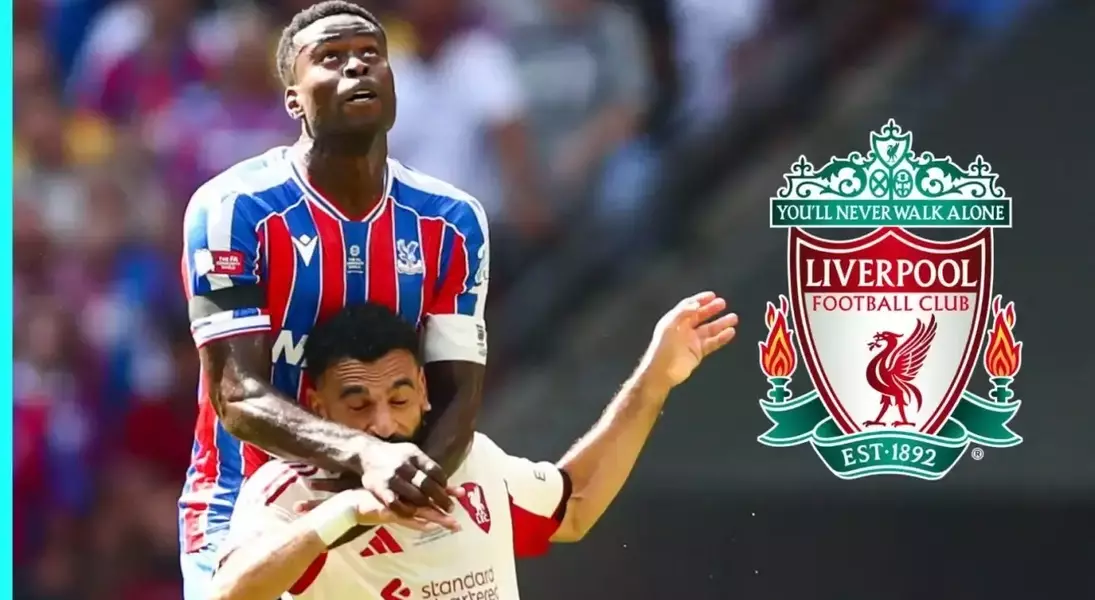
The recent transfer window has once again brought into sharp focus the complex interplay between player ambition and club objectives within the high-stakes world of professional football. The failed move of Marc Guehi from Crystal Palace to Liverpool serves as a prime example of how a player's desire for advancement can be stymied by a club's immediate needs and a manager's firm stance. This situation has ignited debate among fans and pundits, questioning the fairness of a system that can leave a dedicated professional like Guehi in limbo, despite his commitment and respectful approach to seeking a transfer. It also draws parallels with other high-profile transfer sagas, such as Trent Alexander-Arnold's potential departure from Liverpool and Alexander Isak's contentious move to Newcastle, each illuminating the different pressures and expectations placed upon players and their employers.
Understanding the varied perspectives in these transfer narratives is crucial, as each party — the player, the club, and the supporters — operates within its own set of motivations and constraints. While some fans may criticize players for pursuing moves, others argue that a footballer's career is short and fraught with risks, necessitating a pragmatic approach to personal and professional growth. Clubs, on the other hand, are driven by financial prudence, competitive aspirations, and the need to maintain squad stability, often leading to tough decisions that prioritize the collective over individual desires. Moreover, the financial landscape of football, with its vast sums and varied funding models, adds another layer of complexity. Clubs like Liverpool, lauded for their sustainable growth and revenue generation through stadium expansion and strategic commercial deals, stand in contrast to those backed by immense external wealth, sparking ongoing debates about fair play and financial regulation in the sport.
In conclusion, the transfer market is a microcosm of broader societal issues, reflecting tensions between individual liberty and institutional control. While the current system aims to protect clubs by ensuring compensation for player development, it often struggles to reconcile this with a player's fundamental right to pursue their ambitions. The passionate responses from fans, the strategic maneuvers of clubs, and the personal sacrifices of players all contribute to a dramatic and often unpredictable transfer season. Looking ahead, a more balanced approach that acknowledges both the commercial realities of football and the human element of player careers would foster a healthier ecosystem, promoting both competitive integrity and individual well-being within the beautiful game.
