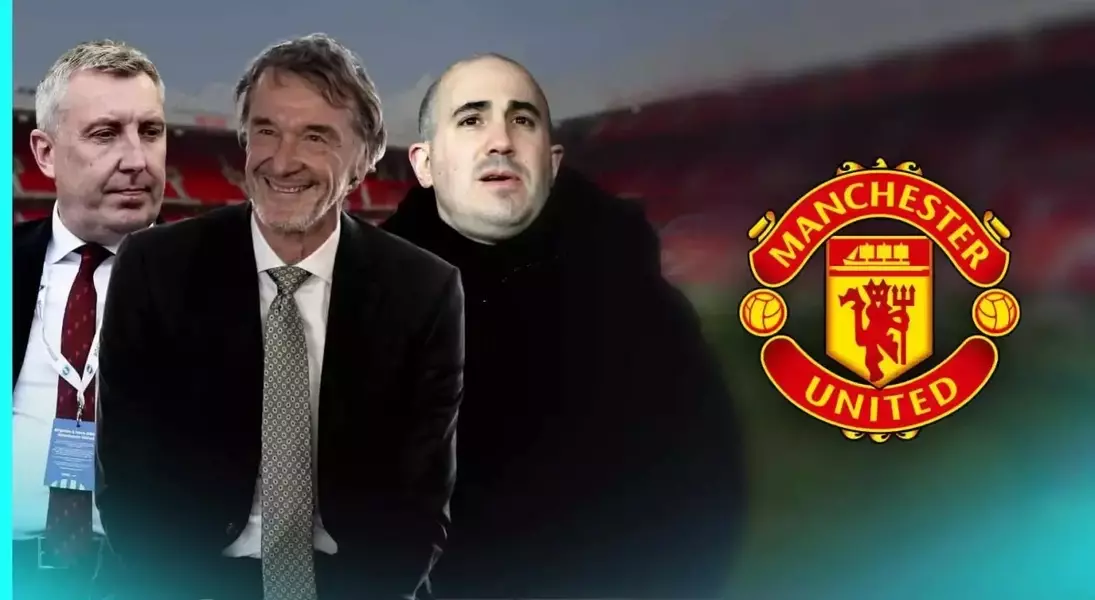
This season, Manchester United's efforts in the transfer market have been met with mixed reactions, highlighting ongoing challenges in their squad-building approach. Despite substantial investments and the arrival of new figures in leadership, the club's strategy has drawn criticism, suggesting a continuation of past recruitment issues. The ambition to reclaim top honors, specifically the Premier League title by 2028, faces hurdles as the team struggles to find consistency on the field, mirroring the previous season's difficulties.
Detailed Report on Manchester United's Recent Transfer Activities and Strategic Decisions
In the recent summer transfer period, a significant overhaul was observed at the venerable Old Trafford. Manchester United, under the watchful eye of its new co-owner, Sir Jim Ratcliffe, alongside key figures like technical director Jason Wilcox and chief executive Omar Berrada, embarked on an ambitious recruitment drive. This period saw the arrival of new talents such as Benjamin Sesko, Bryan Mbeumo, and Matheus Cunha, collectively representing a substantial financial outlay of approximately £200 million. While Bryan Mbeumo and Matheus Cunha have shown early promise, the jury remains out on the considerable £74 million investment in Benjamin Sesko.
A notable aspect of this transfer window was the deliberate trimming of the squad. Most of the "school bus crew" – a term used to describe players who seemingly underperformed or were not aligned with the club's vision – departed. This cleansing process left only Tyrell Malacia from that group, with prominent names like Marcus Rashford, Jadon Sancho, Antony, and Alejandro Garnacho moving on. This clear-out aimed to foster a more cohesive and disciplined team environment, signaling a departure from previous eras.
Despite these changes, the early phase of the current season has seen Manchester United grappling with familiar woes, reminiscent of their struggles under Ruben Amorim last season. These persistent challenges raise doubts about their ability to mount a serious challenge for the Premier League title by Ratcliffe's stated target of 2028. An illuminating report from The Athletic, delving into United's transfer dealings, sheds light on some critical decisions. It reveals that the club's leadership, despite their proclaimed 'world-class' recruitment expertise, has made questionable choices.
Specifically, a key internal debate centered on prioritizing either a defensive midfielder (No. 6) or a striker (No. 9). Jason Wilcox, the technical director, strongly advocated for a goal-scorer, citing the team's paltry 44 Premier League goals in the previous campaign. Ratcliffe supported this viewpoint. While addressing the attacking deficiencies was crucial, critics argue that the exclusive focus on forwards, with a £200 million expenditure, neglected the equally pressing need for a robust defensive midfield presence. The absence of a player capable of providing cover and facilitating play from deep positions remains a significant void, despite the arrivals of Mbeumo and Cunha, who add creative flair.
Furthermore, an opportunity to bring back a seasoned Premier League striker, Danny Welbeck, was reportedly dismissed by Ratcliffe. Despite Welbeck's consistent professionalism, recent form, and the potential to offer valuable support and mentorship to younger forwards like Sesko and Hojlund, Ratcliffe was hesitant to offer anything beyond a short-term, one-plus-one-year deal, ultimately leading to the non-formalization of an offer. This decision has been viewed as a missed chance to add experienced depth and reduce the immense pressure on the youthful attacking line.
Reflection: The Perils of Unchecked Authority in Football Management
The unfolding narrative at Manchester United presents a compelling case study on the complexities of football club management. While the desire for a swift turnaround is understandable, the decisions made by the new hierarchy, particularly Sir Jim Ratcliffe, highlight the delicate balance between ambition and pragmatism. The unwavering belief in one's "world-class" team, however assembled, does not automatically guarantee success, especially when critical on-field needs are overlooked in favor of a seemingly singular vision. This situation underscores the importance of a holistic approach to squad building, where immediate impact is weighed against long-term strategic balance. Ignoring a crucial position like the defensive midfield, or rejecting experienced, low-risk additions, can create unforeseen vulnerabilities, demonstrating that even with significant investment and a clear mandate, strategic missteps can undermine the most ambitious of plans. Ultimately, the true test of this new era at Old Trafford will lie not just in the money spent, but in the wisdom and foresight applied to every facet of the club's development.
