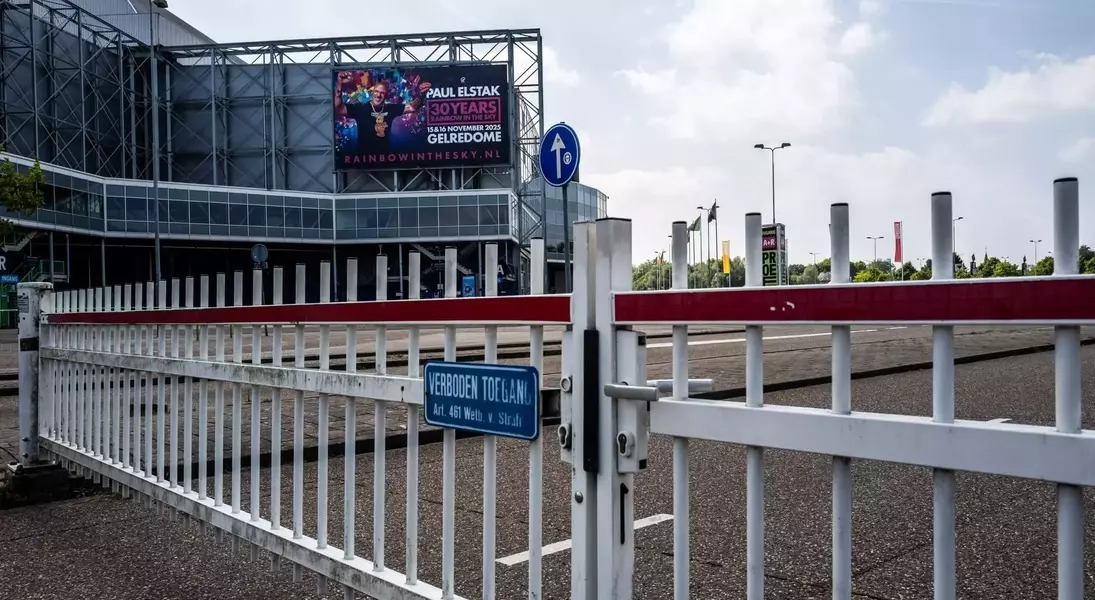
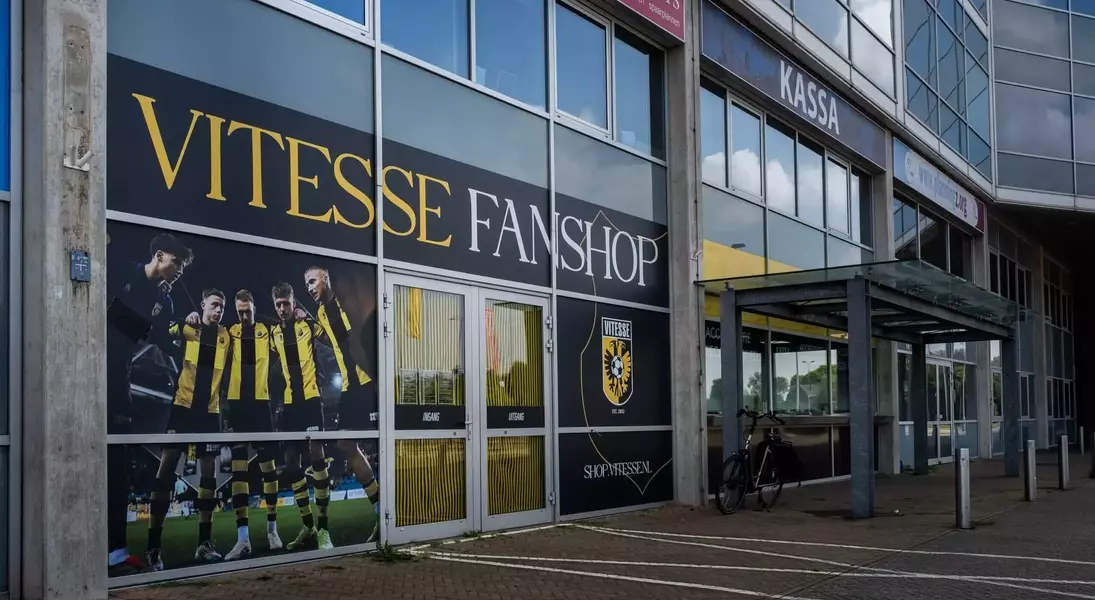
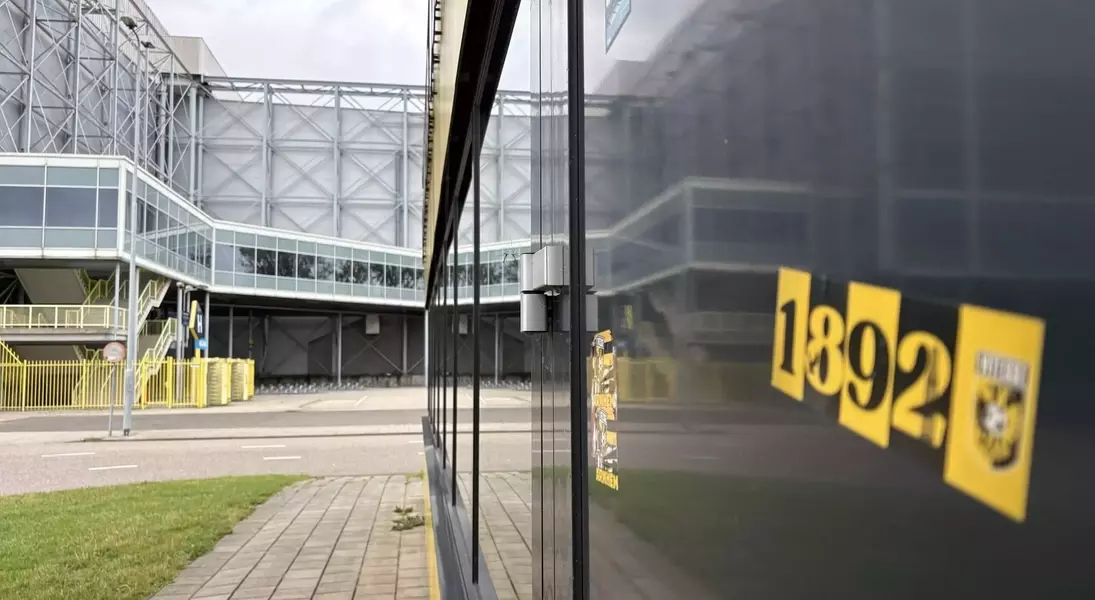
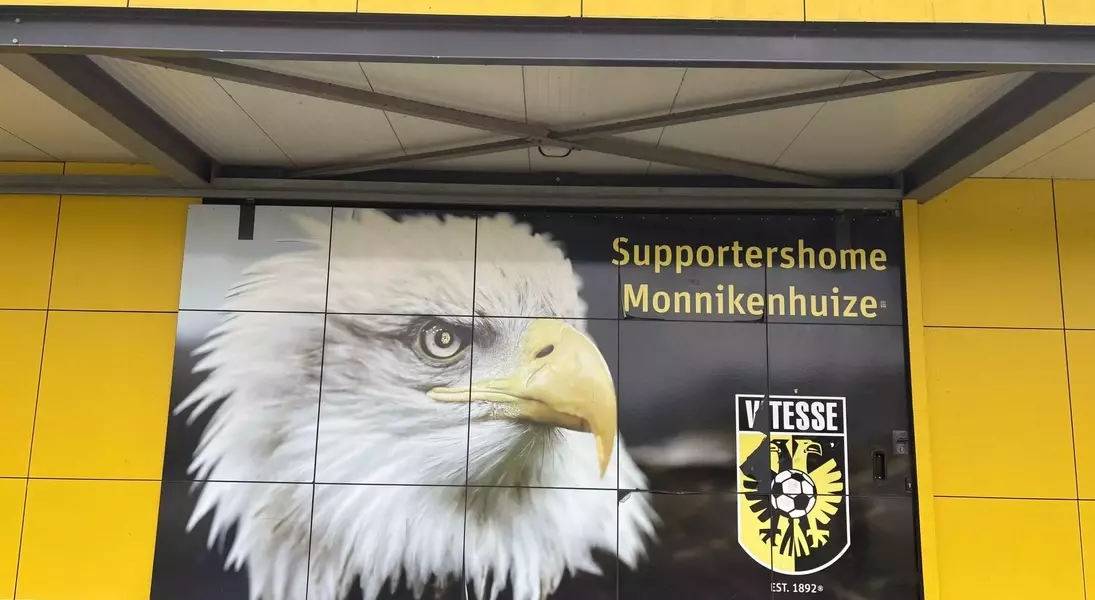
The GelreDome, once the vibrant home of Vitesse Arnhem, now stands as a desolate monument to a bygone era, its gates sealed shut on what should have been a bustling match day. This 21,250-seat stadium, a symbol of civic pride, lies dormant for football, with the club shop's closure serving as a stark reminder of the team's expulsion from the league. The mayor of Arnhem, Ahmed Marcouch, articulates the profound grief enveloping the city, describing the club's demise as akin to losing a family member, deeply ingrained in the city's identity and cultural fabric.
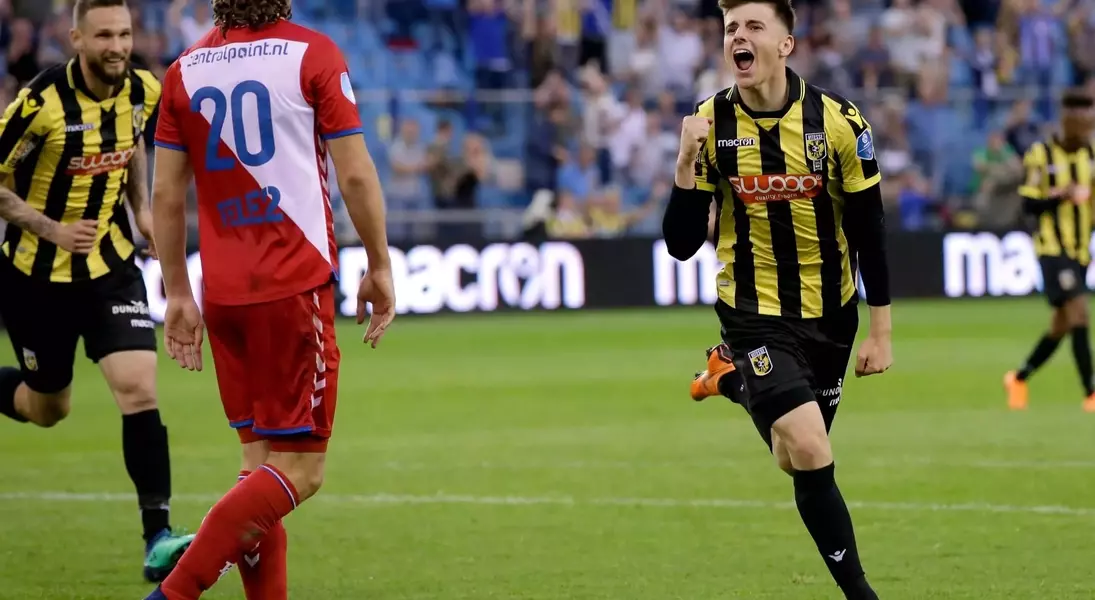
Vitesse's long and storied history, predating even the Netherlands' "Big Three" clubs, is a testament to its deep roots in Arnhem. For years, the club was colloquially known as "Chelsea B" due to its numerous loan players from the Premier League giant, a connection that now casts a shadow over its current predicament. The club's past is adorned with footballing legends like Martin Odegaard and Ronald Koeman, highlighting a rich heritage that makes its current state even more heartbreaking. Fans grapple with the stark reality of losing a central pillar of their community, as the stadium, once echoing with cheers, now hosts concerts and flea markets, its future in professional football uncertain.
The club's downfall is rooted in a protracted saga of financial irregularities and ownership opacities, particularly concerning the source of foreign investments. Dutch football regulations, designed to ensure financial transparency and prevent illicit funding, ultimately proved Vitesse's undoing. Despite multiple appeals and the impassioned plea of supporters, who gathered outside the courthouse in a show of solidarity, the club's pattern of deception and lack of transparency led to severe penalties, including a significant points deduction that resulted in relegation. While supporters express anger at the football association and media, some observers highlight the club's own leadership for failing to address the systemic issues that led to this crisis. The ongoing legal battle and accusations of unfair treatment from current and former stakeholders, notably Coley Parry, underscore the complex interplay of finance, regulation, and emotional investment that characterizes modern football.
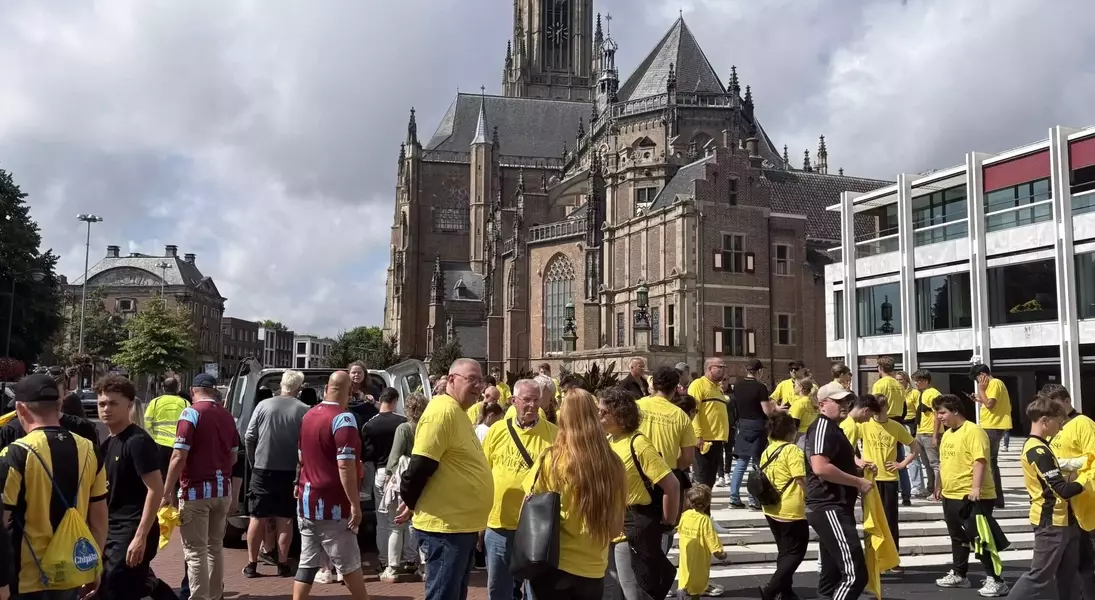
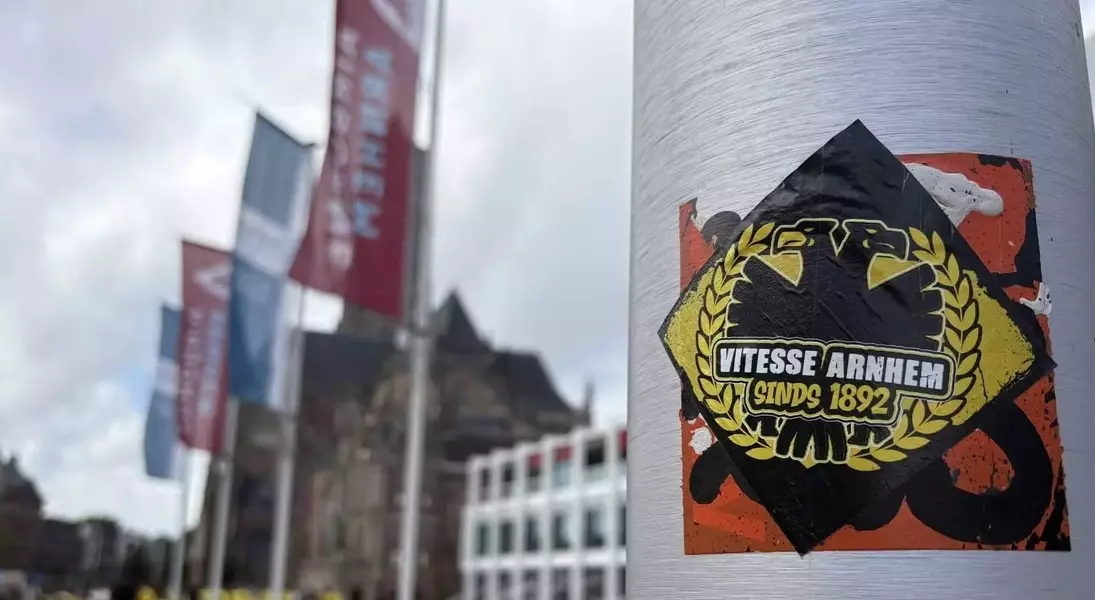
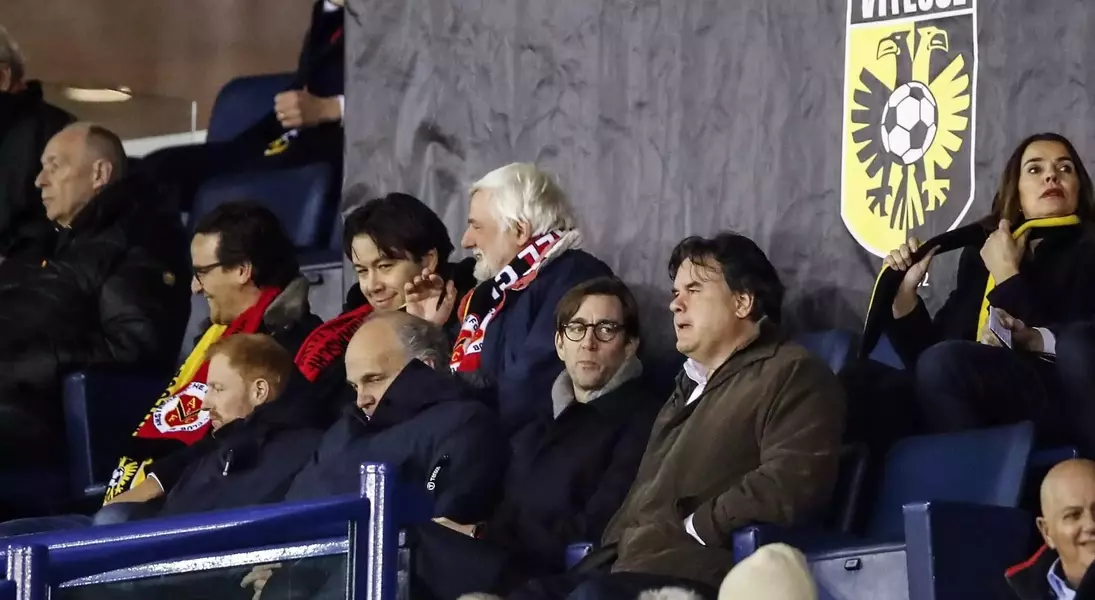
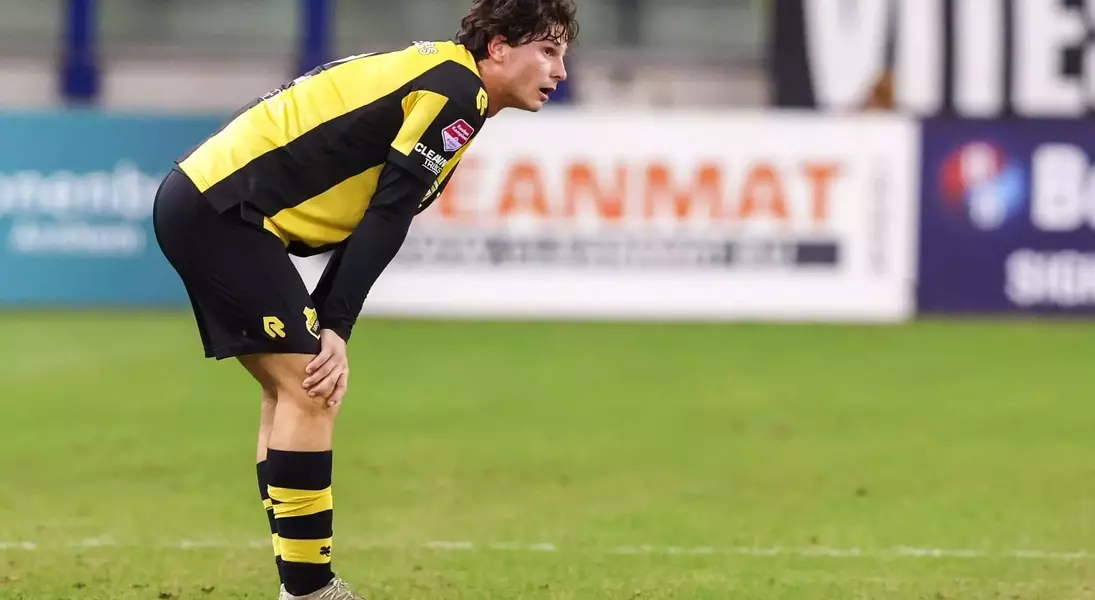
The spirit of community and resilience endures amidst the despair. Fans, though stripped of their professional team, continue to gather, united by their shared passion and the yellow-and-black colors of Vitesse. Their unwavering loyalty, exemplified by tributes to former players and protests against the KNVB, demonstrates that the club is more than just a team; it is a collective identity, a way of life, and a historical touchstone. Despite the immense challenges, the hope for a future, even as an amateur team, remains a powerful testament to the enduring power of football to unite and inspire, proving that even in loss, the heart of a community can beat on.
