
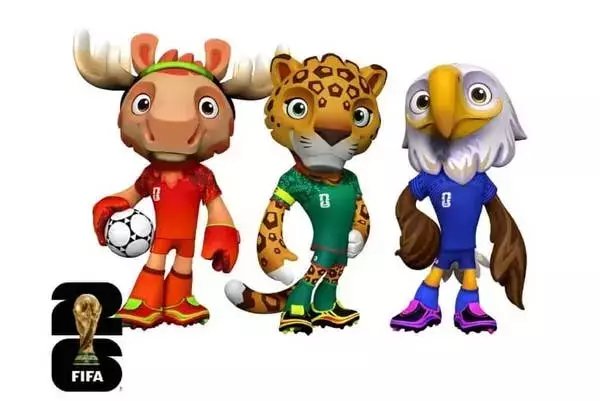
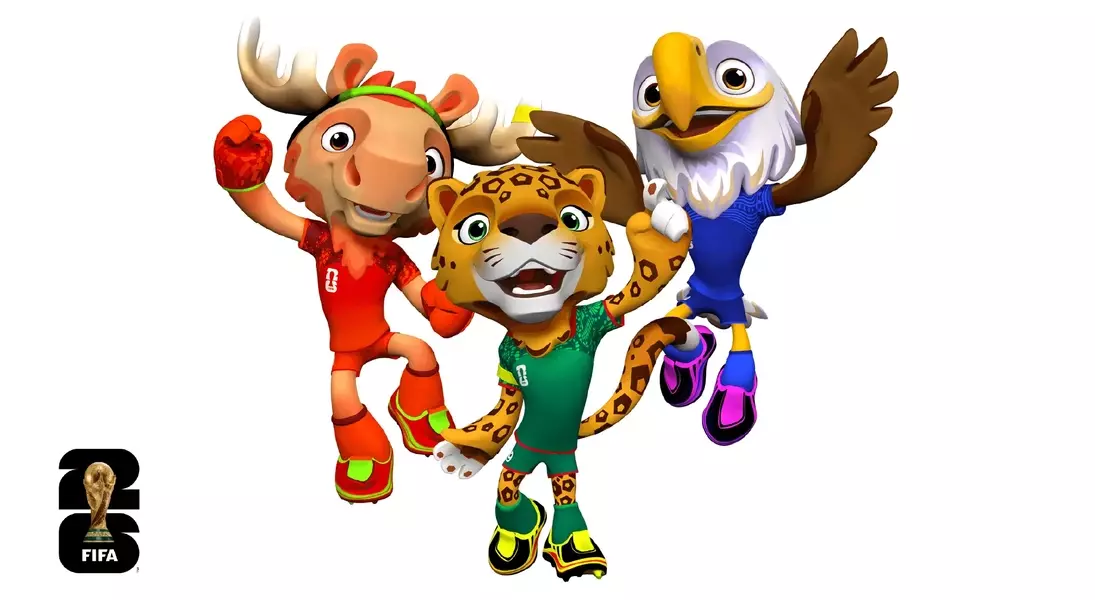

The football world is abuzz with several significant developments, ranging from the lighthearted unveiling of the 2026 FIFA World Cup mascots to the grave political implications surrounding Israel's potential ban from international competitions. The newly introduced mascots—an eagle named 'Clutch' representing the United States, 'Zayu' the jaguar from Mexico, and 'Maple' the moose, a Canadian goalkeeper—each come with unique backstories, designed to engage fans ahead of the tournament. However, beneath the surface of sporting festivities, geopolitical tensions are escalating as the Trump administration has strongly opposed a United Nations-backed proposal to suspend Israel from FIFA and UEFA over the ongoing conflict in Gaza. This complex intersection of sport and politics highlights the multifaceted challenges faced by global sporting bodies. Simultaneously, the football community is grappling with the tragic passing of young talent Billy Vigar, while celebrating the illustrious career of Sergio Busquets, who announced his retirement. These events, alongside other club news and exciting match highlights, paint a vivid picture of the diverse and dynamic landscape of international football.
The announcement of the 2026 FIFA World Cup mascots has been met with varied reactions. 'Clutch,' the American eagle, is characterized by an \"unquenchable thirst for adventure,\" a description that evokes a sense of daring and exploration. Mexico's 'Zayu,' the jaguar, is portrayed as embodying \"ingenuity and agility that intimidates defenders,\" suggesting a formidable presence on the field. From Canada, 'Maple' the moose, a goalkeeper, is said to enjoy \"connecting with people and embracing the country's culture,\" aiming to foster a sense of unity and national pride. While these narratives are crafted to be inspiring and child-friendly, they also serve a commercial purpose, as FIFA plans to release merchandise and video games featuring these characters, capitalizing on their appeal to generate revenue.
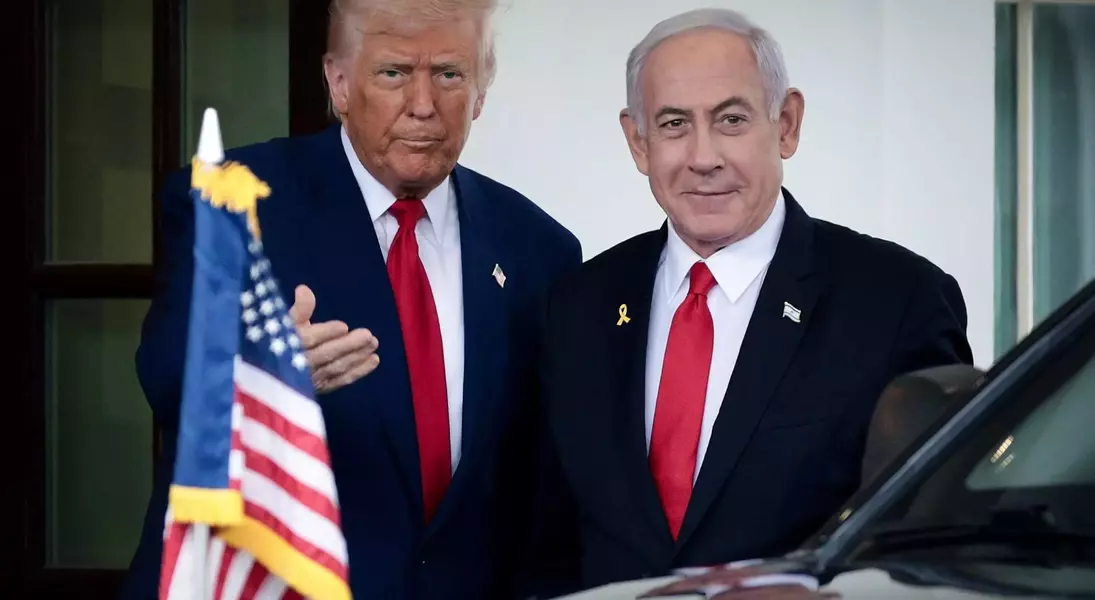
A more somber and politically charged issue has emerged with the United Nations' recent call for FIFA and UEFA to ban Israel from their competitions. This request stems from the severe humanitarian crisis in Gaza, which the UN has described as an \"unfolding genocide,\" an allegation vehemently denied by Israel. Such a ban would have significant consequences, potentially excluding Israel from participating in the 2026 World Cup, mirroring the suspension imposed on Russia after its invasion of Ukraine in 2022. The United States, under the Trump administration, has swiftly intervened, with a State Department spokesperson affirming their intent to \"absolutely work to fully stop any effort to attempt to ban Israel’s national soccer team from the World Cup.\" This highlights the intricate political pressures on FIFA and UEFA, who have so far refrained from commenting on the matter, indicating the delicate balance they must strike between sporting integrity and international politics.
Beyond the World Cup controversies, the broader football landscape continues to evolve. The sporting community recently received the heartbreaking news of Billy Vigar's death at just 21 years old, following a head injury that left the former Arsenal academy player in a coma. This tragedy has sent ripples through the football world, prompting reflections on player safety and welfare. In brighter news, football legend Sergio Busquets, a player celebrated for his exceptional career, announced his retirement at the age of 37, marking the end of an era for one of his generation's most decorated athletes. Meanwhile, club football is buzzing with transfer rumors and contractual updates, as Savinho is reportedly set to sign a new contract with Manchester City, despite earlier links to Tottenham Hotspur. Liverpool has also made headlines with its stringent measures against ticket touts, issuing over a thousand lifetime bans, and signing 17-year-old sensation Rio Ngumoha to his first professional contract, signaling their commitment to nurturing young talent.
The current football narrative is a blend of celebration and concern, marked by the new World Cup mascots' hopeful introduction and the stark reality of political interference in sport. The Trump administration's firm stance against a potential ban on Israel underscores the deep political divisions that increasingly impact global events. Amidst these external pressures, the football world also grapples with internal issues, from tragic player deaths to the retirement of beloved icons and strategic club decisions. As the sport moves towards the 2026 World Cup, it navigates a complex environment where entertainment, commerce, and geopolitics are inextricably linked, challenging the notion of sport as an apolitical arena.
