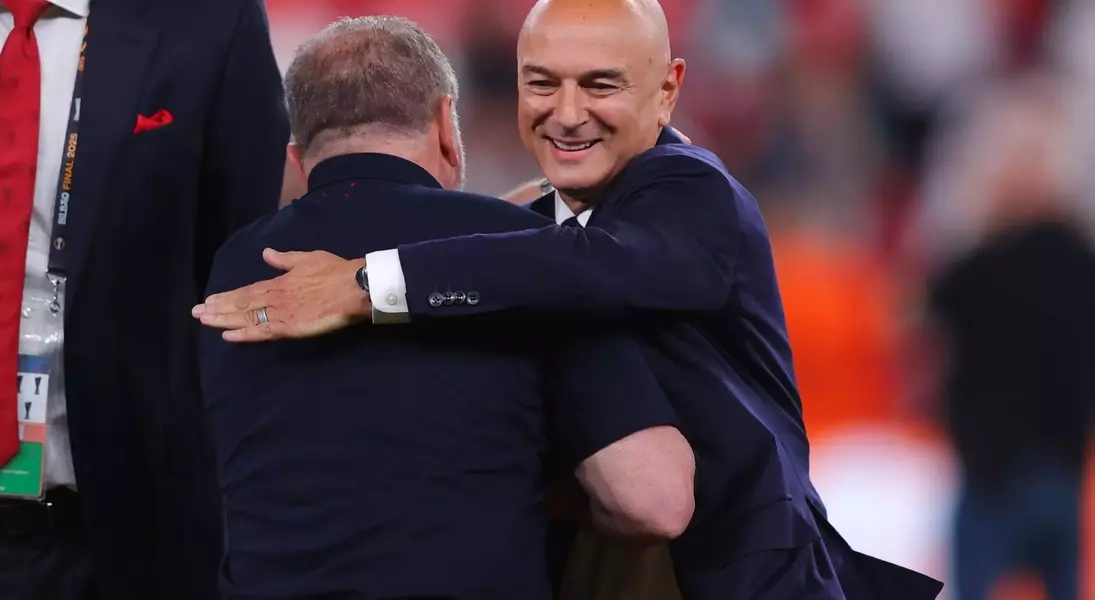
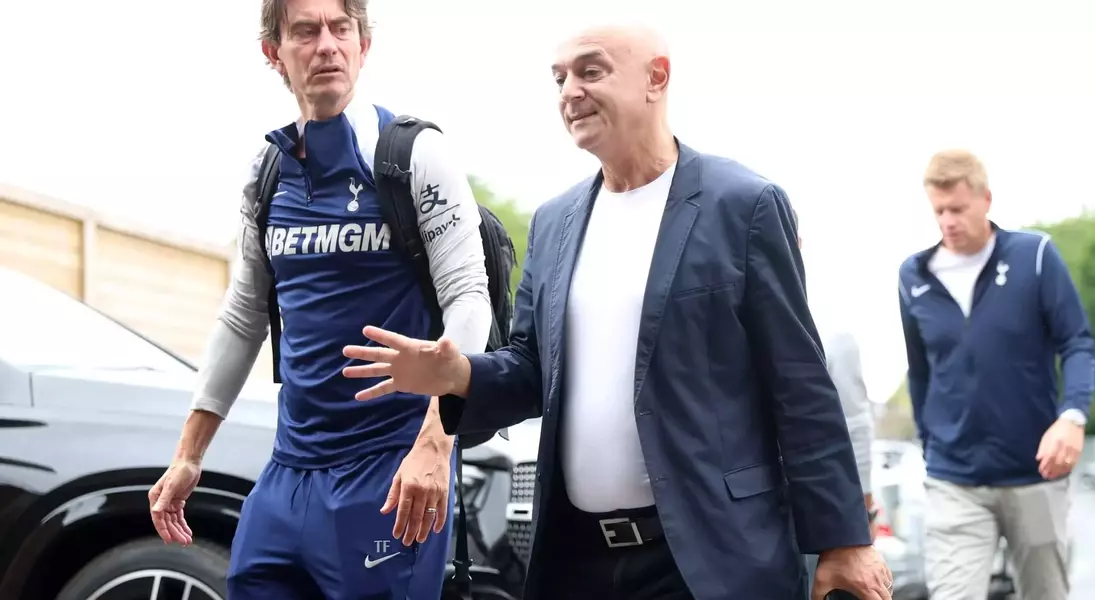
The landscape of Tottenham Hotspur has been fundamentally altered with the sudden departure of long-serving chairman Daniel Levy. After nearly a quarter-century at the helm, Levy's tenure concluded abruptly on September 4, a move orchestrated by the club's owners, the Lewis family. This shift has initiated a comprehensive restructuring of the club's management and operational philosophy, signaling a new era for the north London side. The changes extend from the boardroom to public engagement, as Tottenham navigates a future without its once all-powerful leader.
Tottenham Hotspur Navigates Post-Levy Era with New Leadership and Structure
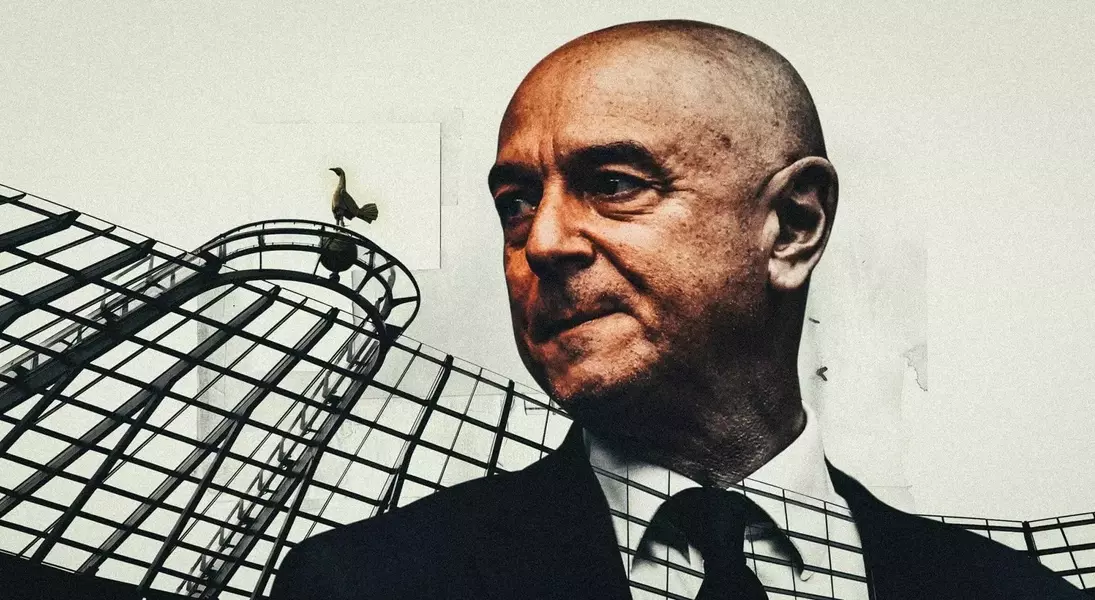
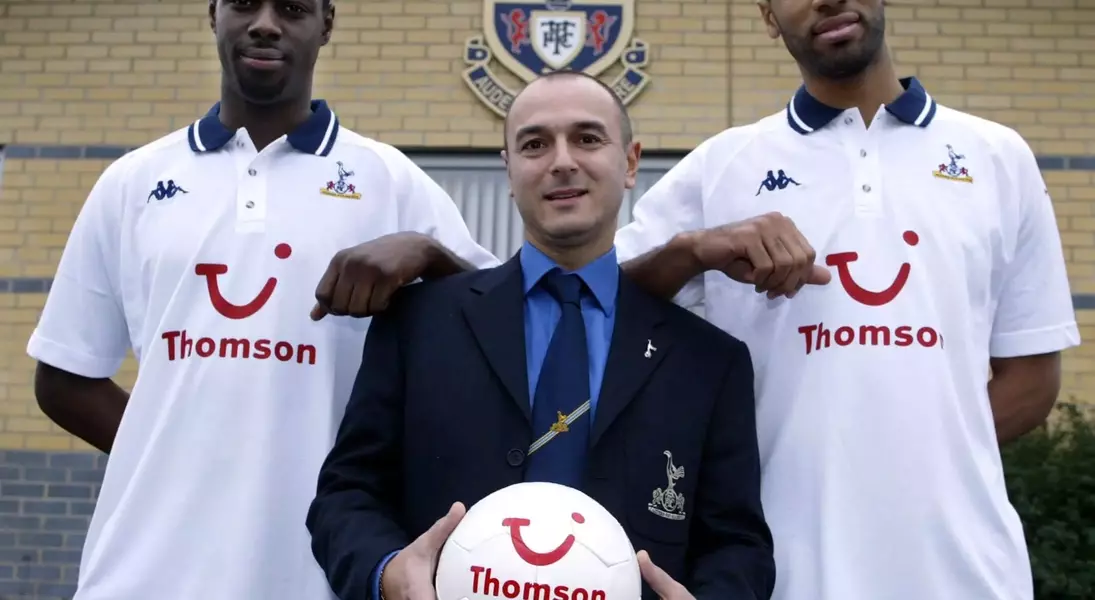
In a dramatic turn of events on September 4, 2025, Daniel Levy's nearly 24-year leadership at Tottenham Hotspur came to an unexpected end. The dismissal, executed by the Lewis family, who own the club through ENIC, was swift and decisive. Levy, a figure synonymous with Tottenham's operations, was reportedly denied access to the training facility to collect his belongings, a stark illustration of the abrupt separation. His wife, Tracey, who also worked at the club, departed at the same time, with their personal effects later delivered by van. This corporate-style exit highlighted the ruthlessness of the decision, even for a prominent figure in Premier League football.
The events leading up to Levy's ousting were set in motion earlier in 2025. Dissatisfied with the club's on-field performance, particularly a disappointing 17th-place finish in the Premier League despite a Europa League triumph, the Lewis family intensified their scrutiny. In March, they appointed Peter Charrington, a veteran private banker and senior partner at their Nexus luxury resort brand, to the board. Simultaneously, management consultancy firm Gibb River was brought in to assess the club's internal workings. This review triggered significant personnel changes, including the appointment of Vinai Venkatesham as chief executive in June – a role not filled for over two decades – and the departure of long-time Levy ally, board member Donna Cullen.
Amidst these corporate shifts, the footballing calendar continued relentlessly. The summer saw a change in the club's footballing structure with the exit of chief football officer Scott Munn and the appointment of Thomas Frank as head coach, replacing Ange Postecoglou. The transfer window was also a busy period, with key signings like Netherlands international winger Xavi Simons and France striker Randal Kolo Muani, acquisitions in which Levy was deeply involved just days before his dismissal. These moves, intended to strengthen the squad, underscore the timing of the leadership change as particularly unexpected for Levy himself.
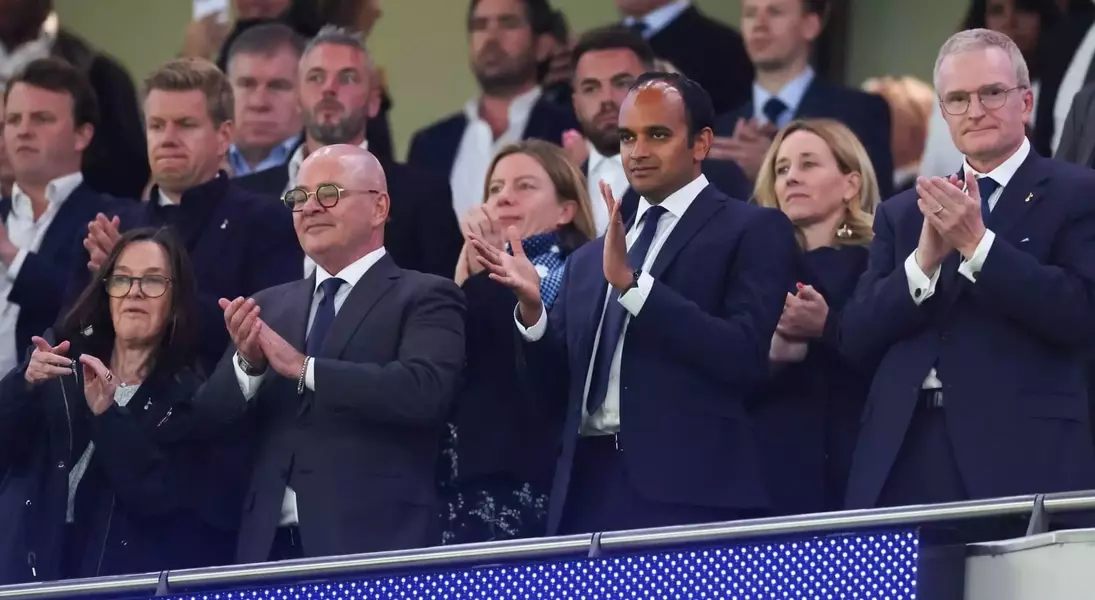
Following Levy's departure, the club has swiftly implemented a new governance model. Peter Charrington, now chairing the board, leads a revamped Executive Leadership Team (ELT), which includes Venkatesham and Matthew Collecott, the long-standing operations and finance director, alongside six other senior figures. This new structure aims to decentralize power, moving away from the single, all-encompassing authority Levy once held. Venkatesham has emerged as the public face of the club, communicating directly with fans through video messages and at meetings with the Fan Advisory Board. The Lewis family, through Vivienne Lewis and her son-in-law Nick Beucher, have also taken on a more visible role, attending matches and engaging with club staff, signifying their direct involvement and commitment, while asserting that Tottenham Hotspur is not for sale.
The immediate aftermath has seen Frank's team start the season positively, with only one loss in seven games. However, the true test of this new structure will come with future challenges, such as the January transfer window – the first in a generation without Levy's direct negotiation. The club is relying on the expertise of technical director Johan Lange and Director of Football Operations Rebecca Caplehorn to navigate these crucial periods, demonstrating a collective leadership approach in contrast to the past centralized model. This new chapter at Tottenham Hotspur represents a profound cultural and operational transformation, with the club now adapting to life and ambition beyond the extensive shadow of Daniel Levy.
The dramatic shift in leadership at Tottenham Hotspur prompts reflections on the nature of control, evolution, and accountability within modern sports organizations. Daniel Levy's extensive tenure, marked by meticulous oversight and singular authority, created a distinct culture. While this approach brought significant achievements, it also highlighted the risks of over-centralization. The Lewis family's decision to usher in a new, more distributed leadership model suggests a recognition that sustained success in contemporary football demands diverse expertise and shared responsibility. This transition underscores a vital lesson: even the most influential figures must eventually yield to the changing tides, and institutions must be prepared to adapt, redefine, and empower new voices to thrive.
