The Women's Super League is on the brink of its most profound transformation in recent history, promising a dynamic new chapter for women's football. This season introduces a suite of changes, from a comprehensive rebrand and revised league structures to pioneering broadcasting deals and innovative on-field rules. With increased investment, fresh talent, and a commitment to enhancing the fan experience, the league is set to elevate its global standing, ushering in an era of unprecedented growth and excitement for players and supporters alike.
Anticipated Developments for the Upcoming Women's Super League Season
The Women's Super League (WSL) is poised for a groundbreaking season, commencing on September 5th with a highly anticipated match between reigning champions Chelsea and Manchester City. This year introduces the most substantial structural modifications since the league's expansion to twelve teams in the 2019-20 season.
A significant highlight is the league's comprehensive rebrand. What was formerly known as the Women's Championship will now be recognized as the Women's Super League 2 (WSL2). This initiative, spearheaded by Women's Super League Football (WSL Football), aims to unify the two divisions under a single, cohesive identity. The rebrand includes a fresh visual identity, complete with a new logo and color scheme, which will adorn kits, match balls, and stadiums, enhancing the league's overall presentation.
Crucially, the promotion and relegation system will undergo significant changes. As the WSL prepares to expand from 12 to 14 teams by the 2026-27 campaign, this season will see the top two teams from WSL2 automatically promoted. Furthermore, the lowest-ranked WSL team will engage in a playoff with the third-placed WSL2 side for a coveted spot in the top tier. For the current season, WSL2 will feature only one automatic relegation position, ensuring intense competition at both ends of the table.
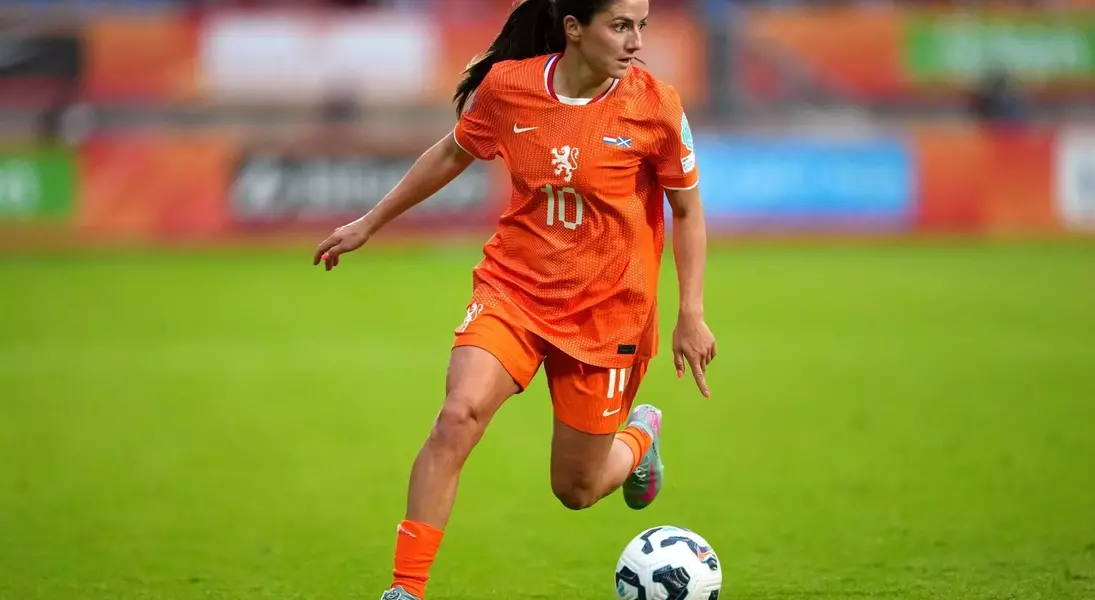
A notable addition to the WSL is London City Lionesses, making history as the first team without an affiliation to a men's club to compete in the top flight. Established in 2019 and acquired by Michele Kang in 2023, the Lionesses have demonstrated their ambition by securing twelve new signings, including prominent figures like former Arsenal and Manchester United forward Nikita Parris, and Dutch international Danielle van de Donk from OL Lyon. Their debut season will kick off on September 6th against Arsenal at the illustrious Emirates Stadium.
New regulations are also set to enhance fair play and efficiency. Goalkeepers will now concede a corner if they hold the ball for more than eight seconds, a stricter enforcement of the previous six-second rule. Additionally, a new 'only the captain' guideline will be implemented, allowing only team captains to approach referees for explanations during critical incidents, aiming to reduce on-field confrontations. In a move to correct errors, players will be permitted to retake a penalty if they accidentally touch the ball twice during the kick.
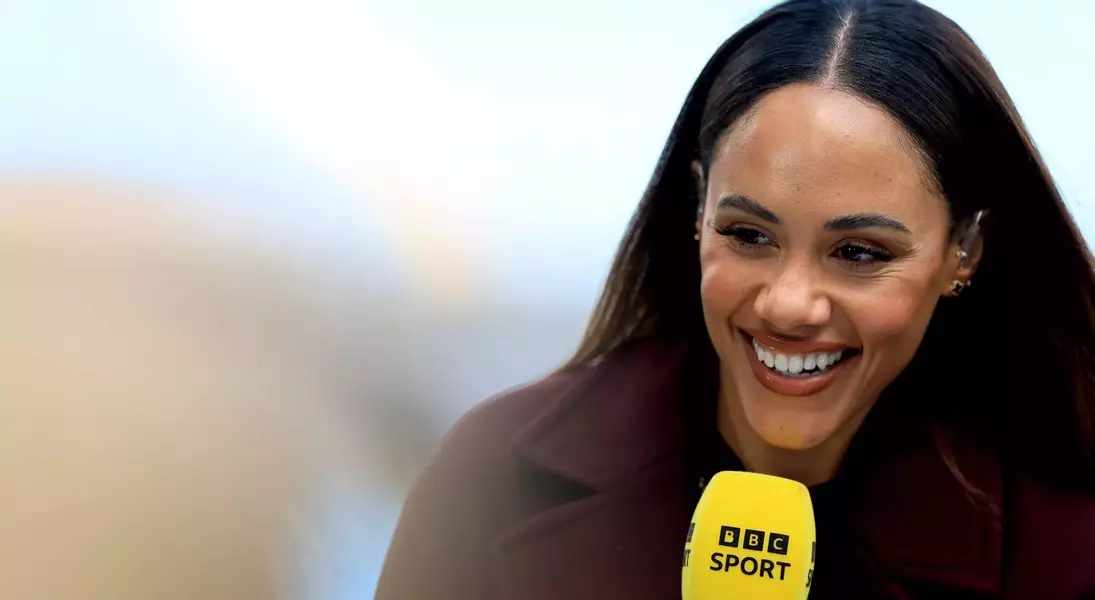
Broadcasting of the WSL is set for a major upgrade. In the UK, every WSL match will be accessible via Sky Sports or the BBC. Sky Sports has secured a five-year deal to broadcast 118 WSL matches per season, with 78 of these exclusively. The BBC will air 21 games, 14 exclusively, while non-televised matches will be available on YouTube. All WSL2 matches will be live-streamed on YouTube, with Sky Sports also having broadcasting options. Notably, Sky's Sunday 6:45 pm kick-off slot will be phased out, with most games shifting to Sunday midday, while BBC matches will primarily be on Sunday afternoons. A new Friday evening slot has also been introduced, benefiting teams competing in midweek European fixtures.
The league also welcomes a host of new faces, both in management and on the pitch. Andree Jeglertz joins Manchester City from the Danish national team, and Martin Ho takes the helm at Tottenham Hotspur. London City's manager, Jocelyn Precheur, will also embark on her first full WSL campaign. Player transfers include Lynn Wilms joining Aston Villa from Wolfsburg, Ellie Carpenter reinforcing Chelsea's defense, and Manchester City signing Iman Beney, Jade Rose, and Sydney Lohmann. Manchester United has also secured Swedish winger Fridolina Rolfo, a two-time Champions League winner, following her departure from Barcelona.
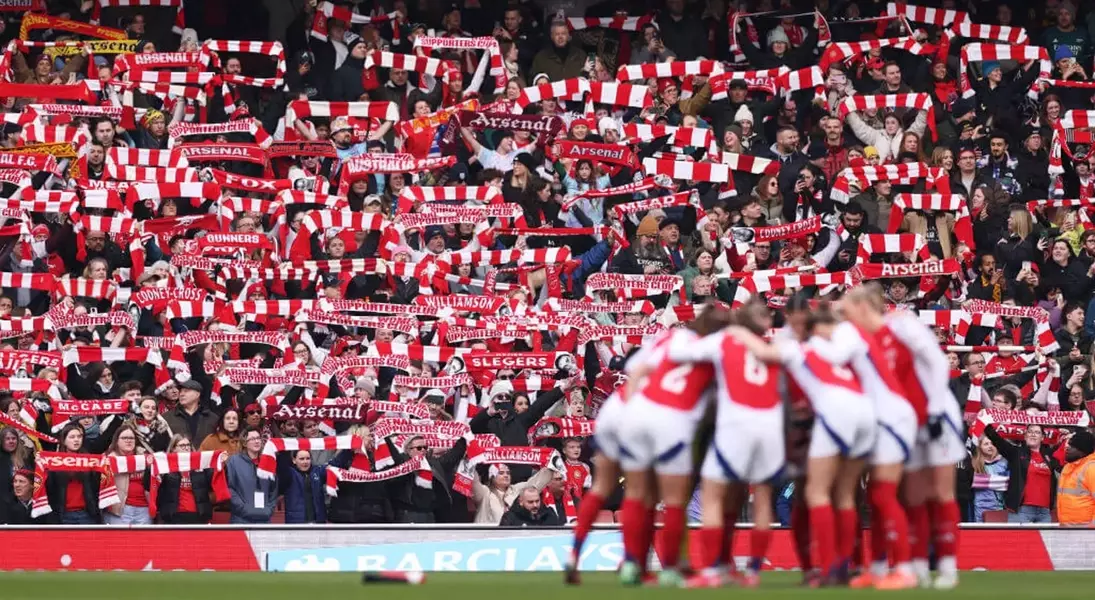
Finally, significant stadium changes and an extended alcohol trial will impact the fan experience. Everton will relocate to Goodison Park, making it the country's first standalone women's football stadium. Arsenal will now play all their league games at the Emirates, while European league phase and domestic cup games will be held at Meadow Park. Following a successful trial last season, 14 clubs across the top two divisions, including Arsenal, Chelsea, and both Manchester clubs, will allow supporters to consume alcohol in the stands, further enhancing the matchday atmosphere.
The Women's Super League's bold strides toward greater professionalization and expanded viewership are truly commendable. These comprehensive changes, spanning from league structure and governance to player welfare and fan engagement, are crucial for the continued growth and commercial viability of women's football. It’s inspiring to see a league actively investing in its future, addressing key areas like broadcast accessibility and stadium experience, which are vital for attracting new fans and solidifying existing support. This proactive approach not only elevates the profile of the sport but also fosters a more inclusive and dynamic environment for everyone involved. The WSL is clearly setting a new standard, and its trajectory offers invaluable lessons for other sports leagues striving for similar levels of innovation and expansion. The future of women's football looks incredibly bright.
