




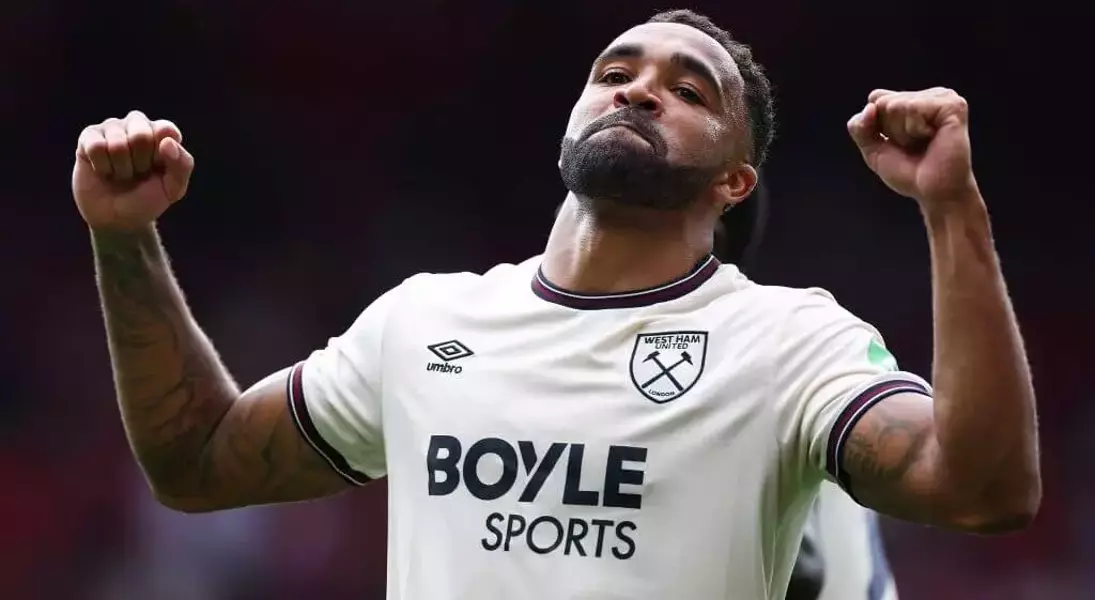

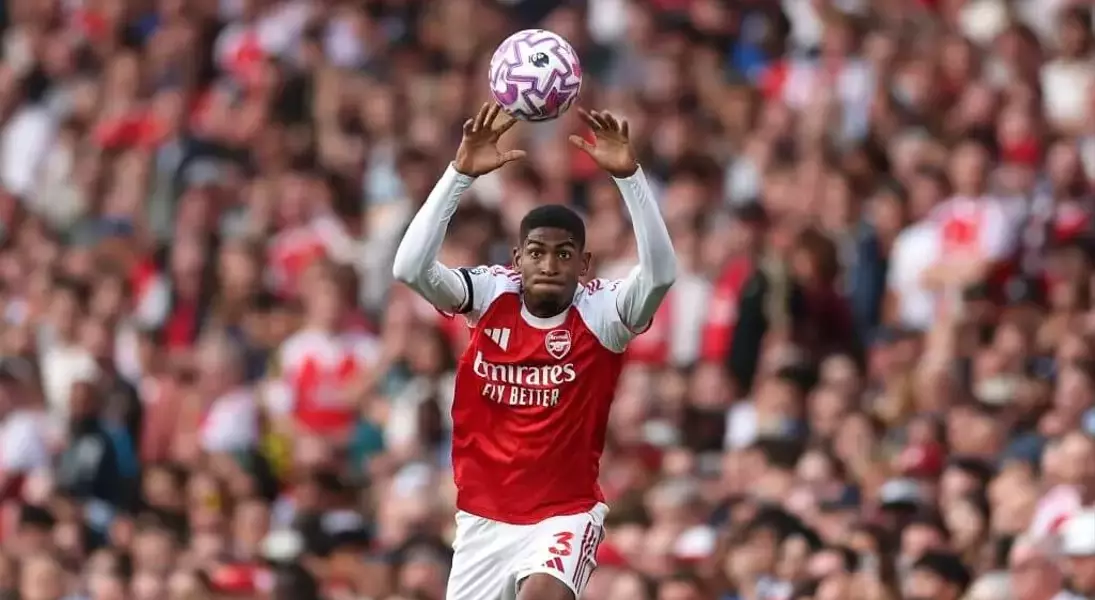

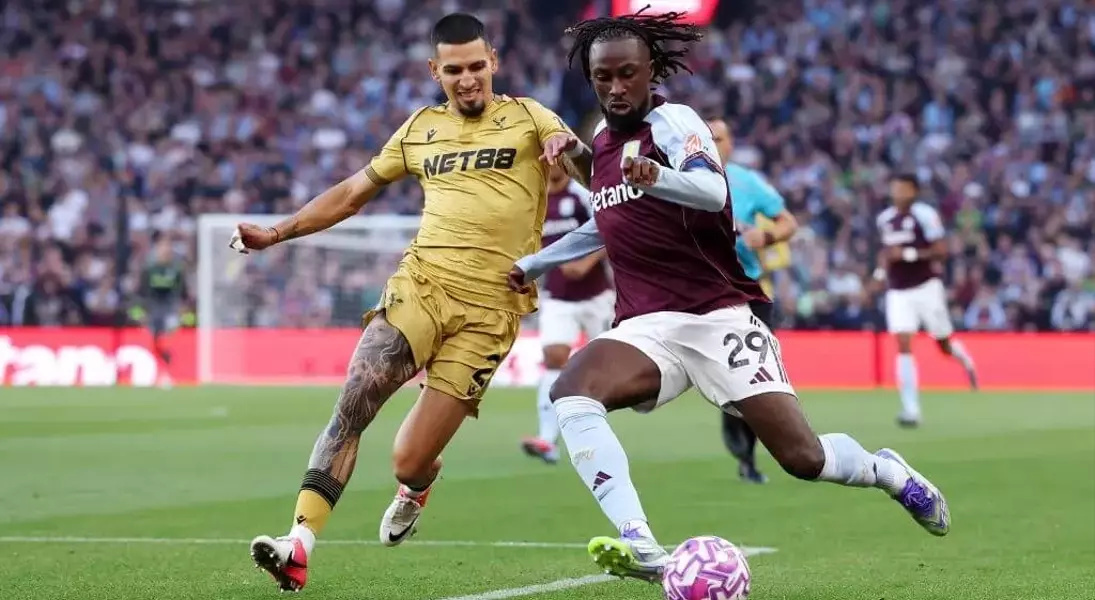
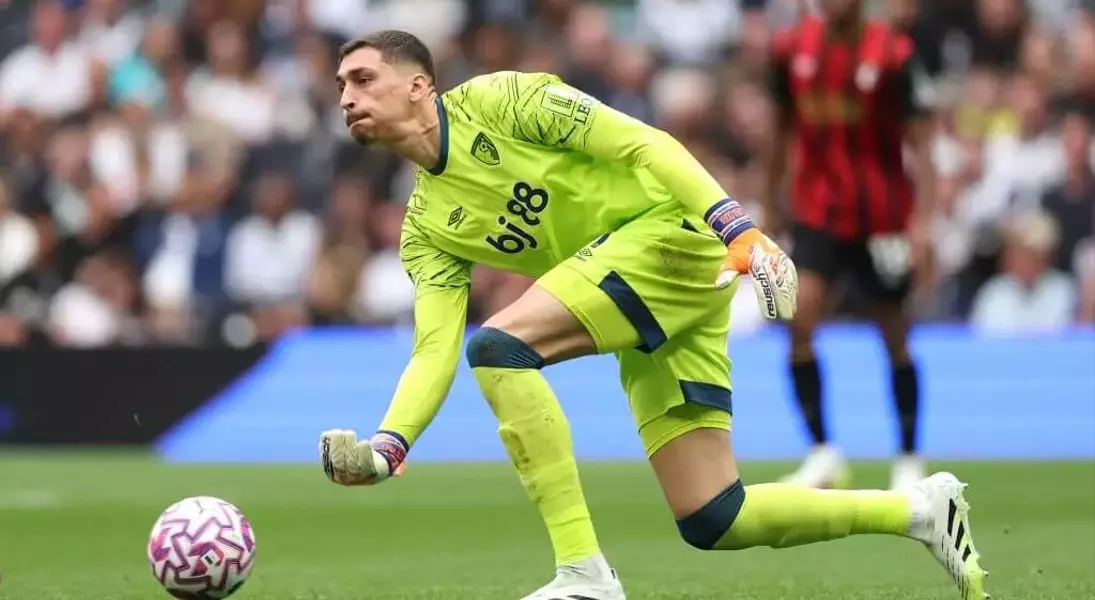
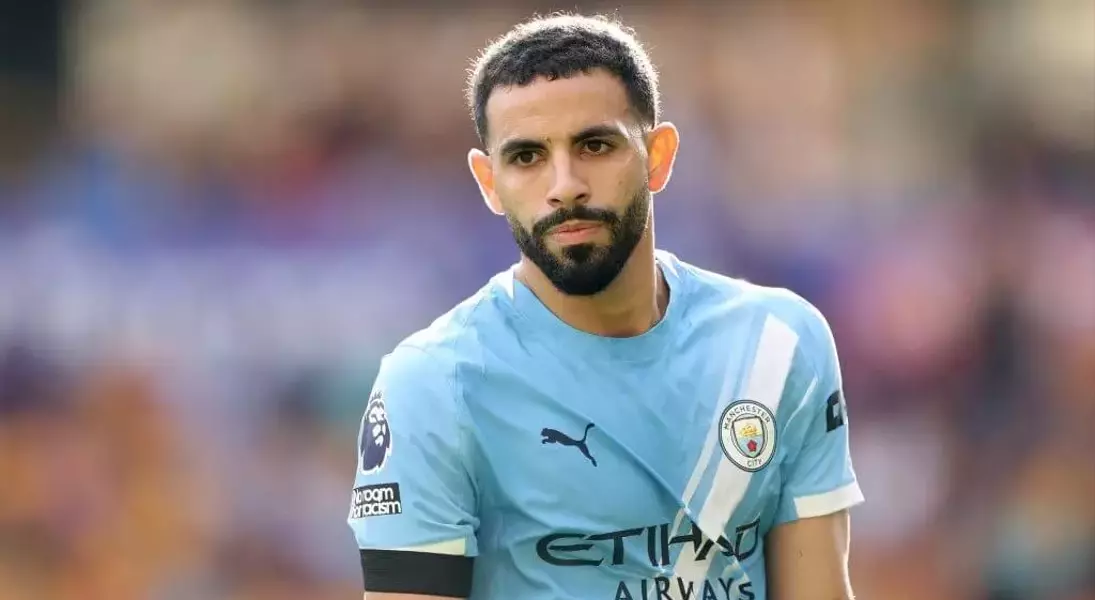

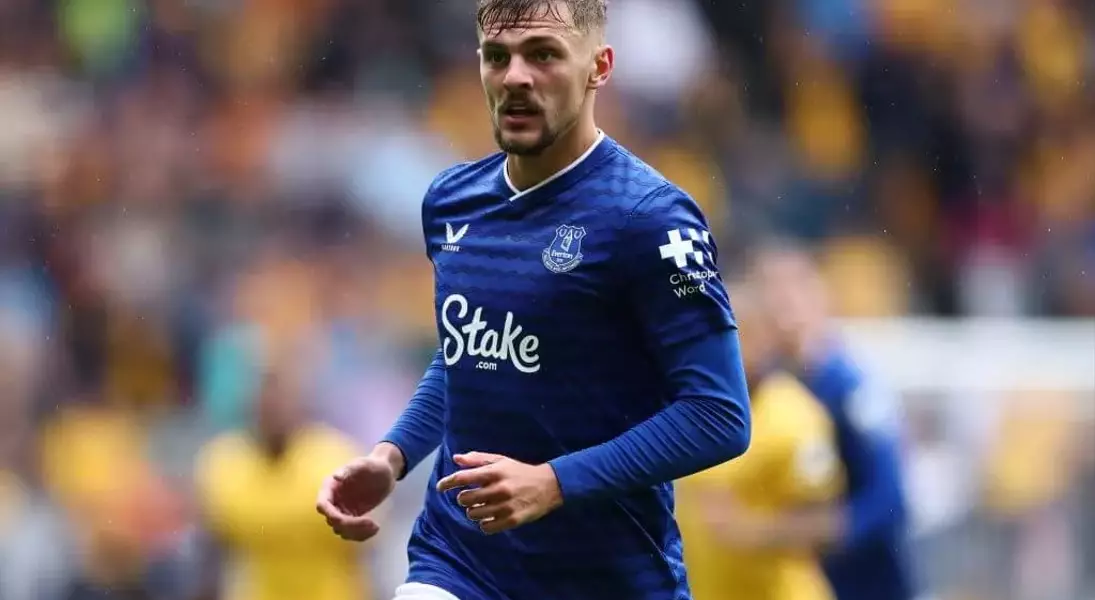
The recent Premier League summer transfer window concluded with an astonishing outlay, as clubs collectively invested a record-breaking £3.09 billion to secure 153 new players. This financial splurge dwarfs previous figures, highlighting the league's insatiable appetite for talent. Amidst this flurry of activity, some signings are poised to become club legends, transforming fortunes with their contributions, while others may struggle to make a significant impact. This comprehensive assessment delves into each of these 153 transfers, evaluating them not solely on individual ability, but also on their potential cost-effectiveness, their strategic importance to the acquiring team, and how effectively they address critical needs within the squad. The ranking aims to provide a nuanced perspective on which deals represent shrewd investments and which carry considerable risk.
The transfer market's dynamics often extend beyond a player's raw talent, encompassing elements like seamless integration into a new tactical system, adaptation to the league's physicality, and the pressure of substantial transfer fees. For instance, the acquisition of Marc Guiu by Sunderland, a loan deal that lasted just over three weeks before his recall by Chelsea, epitomizes the unpredictable nature of these moves. Similarly, Armando Broja's £20 million transfer to Burnley raises questions about the club's strategy, given his limited goal-scoring record in previous seasons. Such instances underscore the inherent risks and speculative elements involved in football transfers, where potential and past performance do not always guarantee future success. The decision to exclude players primarily signed for youth squads or those immediately sent out on loan, such as Armin Pecsi at Liverpool or Chelsea's trio sent to Ligue 1, ensures a focus on immediate first-team impact, providing a clearer picture of direct contributions to their new clubs.
Beyond individual player evaluations, the sheer volume and financial scale of these transfers highlight broader trends within the Premier League. Clubs are increasingly willing to pay premium prices for perceived game-changers, even if it means taking on significant financial risk. The acquisition of players like Jadon Sancho by Aston Villa on a loan deal, with Villa covering a substantial portion of his salary, exemplifies a strategy to revitalize established, but underperforming, talents. While some clubs like Everton and Burnley have opted for more modest, yet potentially impactful, signings such as Freddie Woodman and Max Weiss, the overall trend points towards a continuous escalation in player valuations. The meticulous ranking presented here, from the least to the most effective, offers fans and analysts alike a deeper understanding of the strategic rationale behind each transfer, and how these moves could shape the competitive landscape of the upcoming season.
The summer window has reshaped team rosters across the league, with clubs seeking to bolster their ranks for various objectives, from title aspirations to avoiding relegation. The diverse range of transfers, from high-profile, record-breaking deals to shrewd, low-cost acquisitions, paints a vivid picture of modern football's economic realities and strategic complexities. As the dust settles on this historic transfer period, the true impact of these moves will only be revealed on the pitch, where expectations meet performance and the investments either pay dividends or fall short.
