This article delves into the intriguing origins and distinct character of Phish's 1999 release, 'The Siket Disc'. It examines how this instrumental collection, born from extensive improvisation sessions in 1997, diverged significantly from the band's typical sound. Originally distributed to fans online before a wider release, the disc highlights a period of artistic exploration for the quartet, underscoring their commitment to evolving their musical identity. The recording process, led by keyboardist Page McConnell, aimed to transform leftover jams into a cohesive, atmospheric soundscape, offering a different perspective on a band celebrated for its live performances and improvisational prowess.
In 1997, the acclaimed band Phish engaged in intensive studio sessions in Woodstock, intending to generate material for their forthcoming album. While much of this output formed the basis of 'The Story of the Ghost', a distinctive, funk-infused record launched in the fall of the following year, an abundance of creative fragments remained. It was from these remaining pieces that 'The Siket Disc' emerged. Keyboardist Page McConnell undertook the task of curating and editing these improvisational segments into a concise instrumental compilation. Named in honor of recording engineer John Siket, the album was initially made available to their dedicated fanbase via the band's website in June 1999, followed by an official Elektra Records release in November 2000. Despite only one track achieving regular rotation in their live performances, the collection found an alternative niche, serving as the atmospheric soundtrack for the band's nocturnal travels between concert venues.
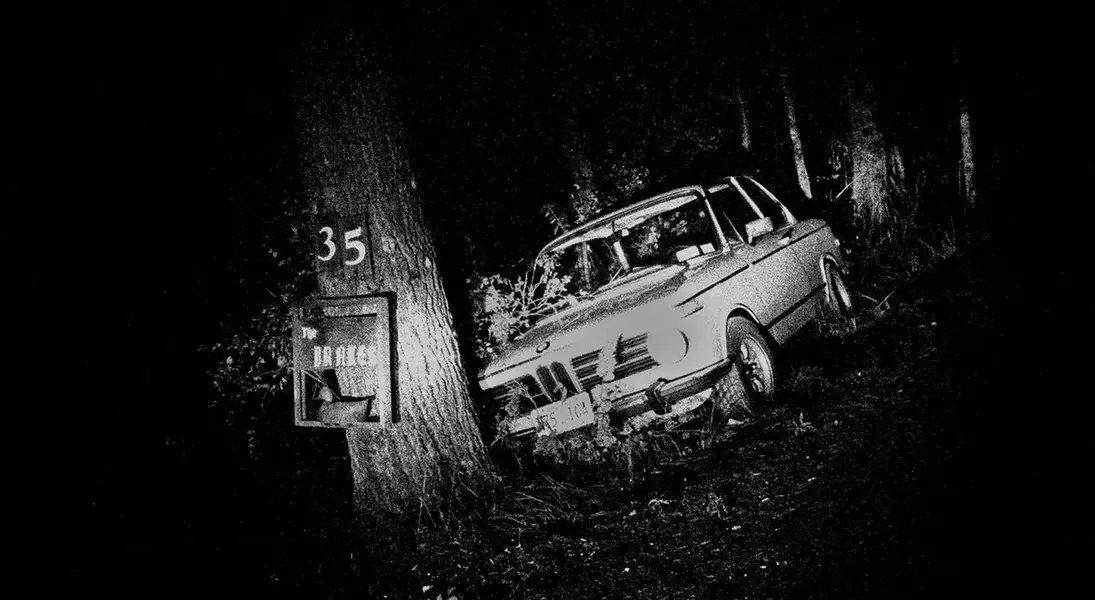
This album, comprising nine improvisations spanning just over 35 minutes, stems from a period widely regarded as Phish's creative peak. Had 'The Siket Disc' merely presented the pinnacle of their jam sessions—whether the structured 'Type I' improvisations or the more experimental 'Type II' excursions—it would still possess merit. However, the Woodstock sessions yielded something remarkably distinct. Even when contrasted with 'The Story of the Ghost', 'The Siket Disc' stands as an anomaly within Phish's entire catalog. Its somber, nocturnal ambiance offers a stark contrast to the band's usual upbeat sound, presenting what feels like a sonic negative image of their typical output. Such a singular artistic statement arises either from intense focus and clear artistic direction or, perhaps, through serendipitous accident, capturing elements that the recording medium inherently preserves.
The creative ethos of Phish often seems driven by an aversion to predictability; if they knew where a musical idea would lead, they would lose interest in pursuing it. Their music strives for a spontaneous flow, making each progression seem both effortless and inevitable while continuously propelling the sound forward. When guitarist Trey Anastasio founded the group in 1983, he fused this improvisational spirit with intricate, concept-driven songwriting and theatrical arrangements, drawing inspiration from eclectic figures like Frank Zappa and progressive rock acts such as Genesis. As the band forged its unique sound, Anastasio’s approach became more fluid, transforming his virtuosic guitar skills into a means of fostering musical cohesion. In a 1996 interview with Guitar World, he articulated his belief: “I feel like I’m there to be an intermediary between music that’s in the universe and the audience. It sounds silly, but I believe it more than I believe anything else in my life.”
This sentiment encapsulates much of Phish’s creative output over the 15 years leading up to 'The Siket Disc'. Despite prevailing critical opinions, the band had already explored significant musical territory as a studio act, deliberately cultivating an official discography distinct from the raw energy of their bootleg recordings that initially captivated their devoted fan base. Their studio albums included the uniquely eccentric compositions of 1989’s 'Junta', the emotionally resonant narrative of 1993’s 'Rift', the radio-friendly rock of 1994’s 'Hoist', and the sophisticated, roots-influenced sound of 1996’s 'Billy Breathes', which even won over skeptics of the jam band genre.
The most iconic track from 'The Siket Disc', and the one most frequently performed live, is “What’s the Use.” This piece stands out as Phish’s most exquisite in-studio creation, dedicating its 11 minutes and 20 seconds to conveying a singular, profound emotion. From its subtle emergence, reminiscent of an aircraft gently lifting off a quiet airstrip, to its gradual fade into tape hiss, few songs have captured the feeling of relentless forward motion despite exhaustion with such precision. In the decades following its debut, 'The Siket Disc' remains the only Phish album to truly fit the descriptors of post-rock and ambient music, with “What’s the Use” serving as a prime example of how it could align with contemporary releases from labels like Thrill Jockey or Kranky.
The creation of “What’s the Use” relies on the precise contributions of each band member: John Fishman’s ethereal, waltz-time drumming, Gordon’s crisp bassline, and McConnell’s descending keyboard refrain, strategically placed for maximum emotional impact after the seven-minute mark. Notably, the track also features a moment solely dedicated to Anastasio’s artistry. His exceptional guitar solo stretches across the entire piece, ascending the fretboard without devolving into mere noise, yet constantly teetering on the edge of feedback. As he reaches the highest note, he subtly signals the rest of the band to temper their intensity. This moment feels akin to a faint cry for help, a distant siren gradually fading into the quiet of the night.
Anastasio once told The New Yorker that his favorite jams often reach a point where “the safety rails fall off,” and “we lose any sense of time passing.” He added, “Then I feel safe letting people see how I actually feel, which is terrified a lot of the time.” It’s understandable that, after all these years, he finds comfort in expressing such vulnerability amidst the adrenaline-fueled, collective peaks of a live rock concert. These peaks can be seen as literal ascents, achievable only through the momentum and confidence that arises when a multitude of individuals converge, all focused on a shared, slowly emerging horizon. For those seeking such experiences in art, Phish has certainly crafted an abundance of music to guide them. However, in the context of 'The Siket Disc', they were simply four musicians in a studio, endeavoring to create an album, finding momentary solace in the solitary, weary sound of standstill.
