
Exploring the enduring legacy of Talking Heads' second album, this review delves into its unique sound, the pivotal contributions of its members and producer, and its lasting impact on the music landscape. From its tight compositions to its lyrical commentary on modern life, the album continues to captivate new generations.
The Perpetual Resonance of a Landmark Album
The Enduring Power of a Seminal Work
Among the initial four remarkable albums by Talking Heads, More Songs About Buildings and Food has frequently been considered an understated contender for their finest work. Now, nearly five decades since its debut, its relevance feels more acute than ever. Its precise, energetic rhythms, unsettling atmosphere, and insightful exploration of media-age detachment mark it as a truly significant artistic achievement.
The Band's Renewed Presence and Influence
The anticipation leading up to the band's golden anniversary, celebrating their formation in 1975, has brought renewed attention to their creative output. This includes the cinematic re-release of Jonathan Demme’s iconic concert film, which briefly brought the band members back together for public appearances. Additionally, David Byrne's recent theatrical and film projects have reinterpreted the band's extensive catalog, while drummer Chris Frantz’s memoir provides an intimate look at their journey. Furthermore, original member Jerry Harrison and collaborator Adrian Belew are actively touring, performing selections from the band's celebrated 1980 release, Remain in Light, demonstrating the continued vitality of their music across various platforms.
The Transformative Impact of a New Member and a Visionary Producer
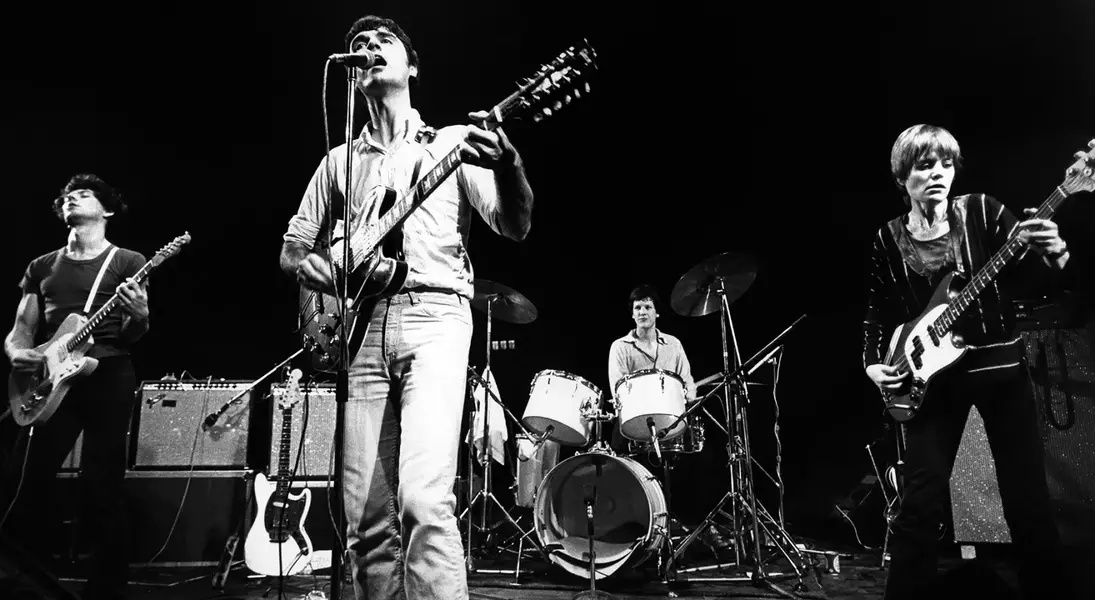
A crucial element in the enduring allure of More Songs was the integration of Jerry Harrison, bringing his guitar and keyboard prowess from The Modern Lovers to enhance the original trio of David Byrne, Chris Frantz, and Tina Weymouth. Further enriching the album was the collaborative genius of co-producer Brian Eno, who is currently experiencing a resurgence in his own career. This album marked their initial studio collaboration, characterized by a palpable sense of shared discovery and mutual respect. The result was a harmonious blend of the band’s high-strung, art-school post-punk sensibility and Eno’s distinctive, laid-back, post-glam sonic experimentalism.
Eno's Subtle Yet Profound Sonic Contributions
Brian Eno's subtle but significant influence permeates the album's sound. His unique touch is evident in tracks like “The Good Thing,” with its distinct vibe, featuring a chorus humorously credited to “Tina and the Typing Pool”—a nod to the studio staff. Recorded at the then-new Compass Point Studios in the Bahamas, the album helped establish the facility as a major recording destination, laying groundwork for the dub-influenced club sounds of the 1980s. Eno's presence is also felt in the crisp percussion and the distinctive, almost alarm-like guitar riffs of “Warning Sign,” a song whose ominous tone feels particularly resonant today. The album showcases Eno's emerging role as a capital-P producer, where his "treatment" of instruments, including the use of his EMS Synthi AKS, profoundly shaped the band's evolving sound.
A Deep Dive into America's Soul and the Creative Process
The album's closing track, “Big Country,” resonates powerfully in the present day, offering a reflective journey across a vast land, presumably North America, and culminating in a striking declaration of disassociation. An alternative version of the opening track, “Thank You for Sending Me an Angel (Country Angel Version),” further explores this theme, emphasizing its rustic rhythms with added acoustic elements. Originally envisioned as Oh What a Big Country, the album’s eventual title, chosen with input from XTC’s Andy Partridge, better encapsulates its complex emotional landscape. The music itself is a compelling mix of intensity, dark humor, profound beauty, absurdity, occasional fear, and defiant energy, reflecting a multifaceted commentary on the American experience.
Unveiling the Evolution of Sound and Performance
The bonus tracks, which include various alternate takes, offer a fascinating glimpse into the band's creative evolution. They reveal how track tempos were adjusted and provide insights into Eno's production choices, where his masterful layering and enhancement transformed raw recordings into the album's distinctive, pulsating sound. The second side of the final LP, in particular, became an iconic soundtrack for house parties of its era. This reissue also features a newly restored recording of a 1978 live performance at New York's Entermedia Theater. This concert captures the band, then a quartet evolving from a trio, at a pivotal moment, showcasing new material and demonstrating their dynamic stage presence and tight musicianship. With David Byrne's charismatic vocals and the rhythm section's driving force, their performance highlights a group on the cusp of significant breakthroughs.
