
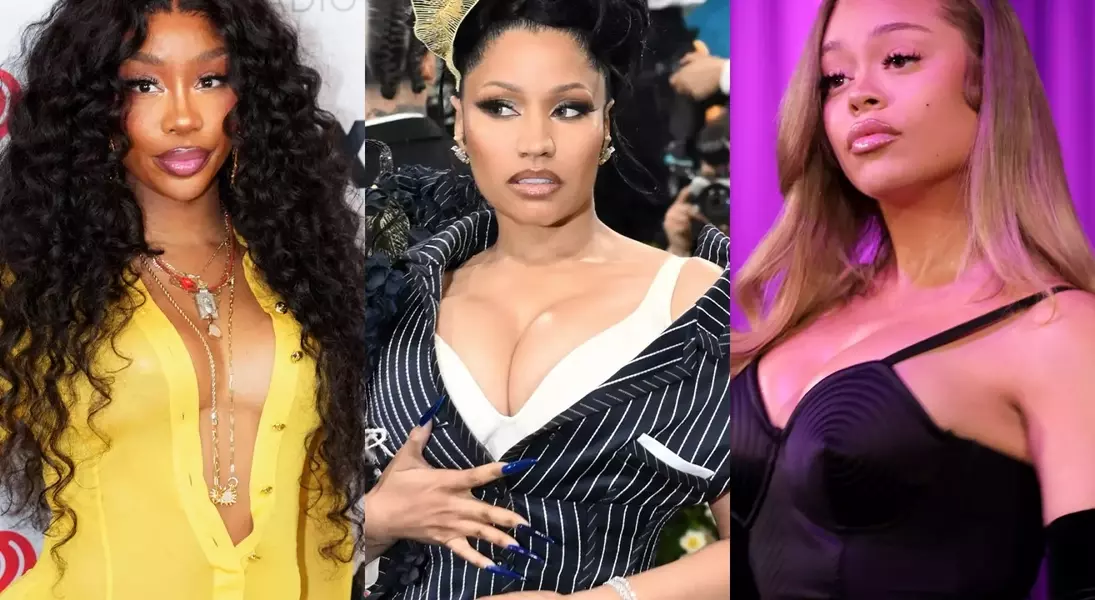


In the vibrant and often turbulent world of hip-hop, certain artists captivate audiences not only with their music but also with their undeniable flair for controversy. Nicki Minaj, a dominant force in the rap landscape, exemplifies this, consistently attracting attention through her outspoken nature and frequent public disagreements. Her digital footprint, marked by numerous posts on platforms like X and Instagram, often serves as the battleground for these high-profile clashes. This behavior is not new; throughout her career, Minaj has been involved in significant feuds with other notable figures in the music industry, transforming private disagreements into public spectacles that unfold in real-time for global observation.
Minaj's online activities extend beyond personal rivalries, occasionally inciting her devoted fanbase, known as the Barbz, to engage in aggressive online conduct. This dynamic has sometimes led to accusations of harassment against individuals who voice criticism, however minor, against the artist or her work. These incidents highlight the potent influence artists wield over their followers and the potential for fan engagement to veer into problematic territory. Furthermore, Minaj has frequently used these platforms to air grievances, often without direct reciprocation from her targets, underscoring a consistent pattern of initiating and driving online confrontations.
The numerous online altercations involving Nicki Minaj, encompassing disagreements with artists and executives of considerable stature, paint a vivid picture of her combative public persona. From disputes over Grammy nominations and alleged disses in song lyrics to accusations against powerful music industry figures concerning unethical practices, Minaj has consistently positioned herself at the center of attention. These conflicts reveal not only the competitive nature of the entertainment world but also the pervasive impact of social media in amplifying and shaping public narratives. Her willingness to challenge established norms and powerful entities, irrespective of the backlash, cements her reputation as a fearless, albeit controversial, icon in contemporary music.
Ultimately, Nicki Minaj's consistent engagement in public disputes, particularly online, serves as a powerful reminder of the double-edged sword of digital platforms in the celebrity sphere. While offering artists an unprecedented direct channel to their audience, they also provide an arena where conflicts can escalate rapidly and publicly. Her saga illustrates the importance of responsible digital citizenship, emphasizing that even in the cutthroat world of entertainment, there is a responsibility to foster respectful discourse and maintain ethical conduct. This constant push-and-pull between assertion and accountability underscores the ongoing evolution of public interaction in the digital age, urging both creators and consumers to navigate these spaces with a heightened sense of awareness and integrity, promoting a more constructive and harmonious environment.
