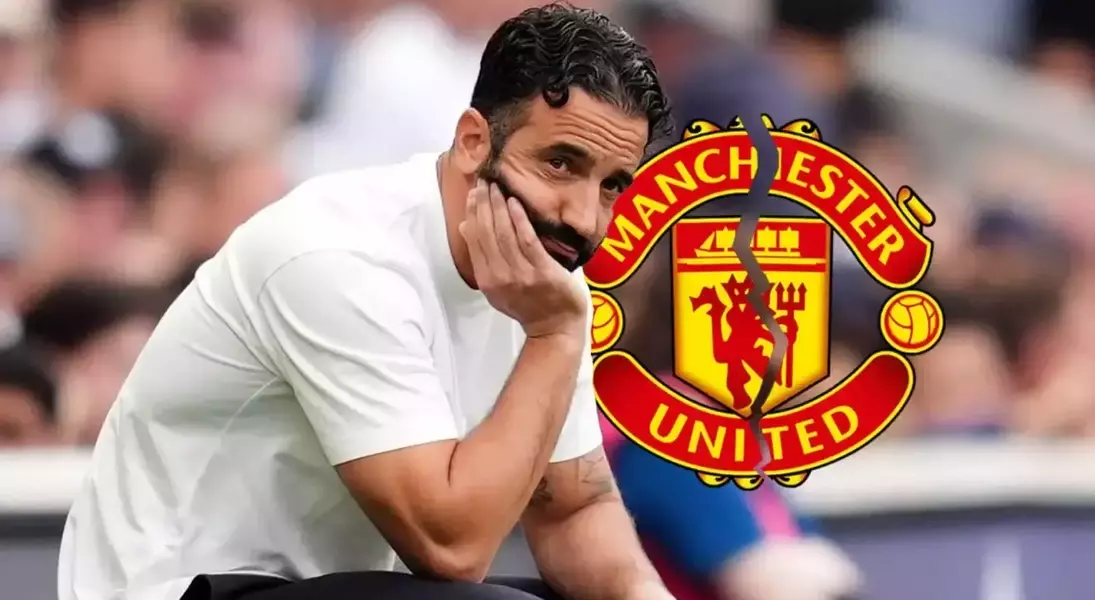
This report delves into the ongoing debate surrounding Ruben Amorim's management of Manchester United, highlighting the stark contrast between his team's performance and the club's steadfast commitment to his leadership. Despite mounting criticism and a challenging period of results, the Portuguese coach retains his position. The discussion revolves around the potential influence of his off-field charisma versus the objective assessment of the team's on-field struggles, prompting a broader reflection on managerial longevity in elite football.
Managerial Resilience Amidst Manchester United's Struggles
In the vibrant world of English football, specifically within the hallowed grounds of Manchester United, the position of head coach Ruben Amorim has come under intense scrutiny. Following his arrival in late 2024 as the successor to Erik ten Hag, Amorim's tenure has been marked by a noticeable decline in the club's fortunes. The team, once a formidable force, has seen its Premier League ranking descend to a concerning 15th place, and its European aspirations thwarted by a defeat in the Europa League final against Spurs. Even a substantial investment of approximately £200 million into new attacking talent, including the promising acquisitions of Benjamin Sesko, Bryan Mbeumo, and Matheus Cunha, has failed to reverse the team's struggle for offensive efficacy and defensive solidity.
Amidst this challenging period, prominent football pundit Jamie Carragher, speaking on The Overlap Fan Debate, offered a thought-provoking perspective on Amorim's continued employment. Carragher speculated that Amorim's striking personal charm and engaging press conference presence might be contributing factors to his unexpected resilience in the role, rather than purely his strategic acumen or the team's on-pitch results. He humorously suggested that had Amorim lacked such an appealing demeanor, his tenure might have been significantly shorter given the team's \"horrendous\" performances. Carragher acknowledged Amorim's past successes at Sporting Lisbon, where he achieved notable victories in the Portuguese league, but questioned his suitability for the demanding task of reviving Manchester United, particularly when considering other more experienced and successful managers within the Premier League. This ongoing narrative underscores the intricate blend of performance, personality, and perception that shapes the high-stakes world of professional football management.
This unfolding saga at Manchester United offers a compelling insight into the multifaceted nature of leadership in professional sports. It compels us to ponder whether, in an era dominated by instant analysis and relentless pressure for results, the charismatic appeal of an individual can, at times, overshadow the raw data of performance. While a manager's ability to inspire and communicate is undeniably crucial, the ultimate measure of success in football remains rooted in victories and tangible progress. This situation serves as a poignant reminder that even in the cutthroat environment of elite sports, human elements like charisma and public perception can play an intriguing role in shaping destinies, often defying conventional expectations and sparking lively debates among fans and analysts alike.
