
The recent European football transfer period was marked by notable player movements, strategic club decisions, and surprising shifts in managerial positions. This window underscored the growing influence of players in dictating their career paths, often through unconventional means. While some athletes successfully navigated their desired transfers, others encountered unexpected obstacles, leading to last-minute reversals. Concurrently, the financial landscape of the sport continued to evolve, with various clubs engaging in significant deals that reflected both market demands and internal strategies. The period also brought about several high-profile coaching dismissals, emphasizing the intense pressure and short tenure often associated with top-tier football management.
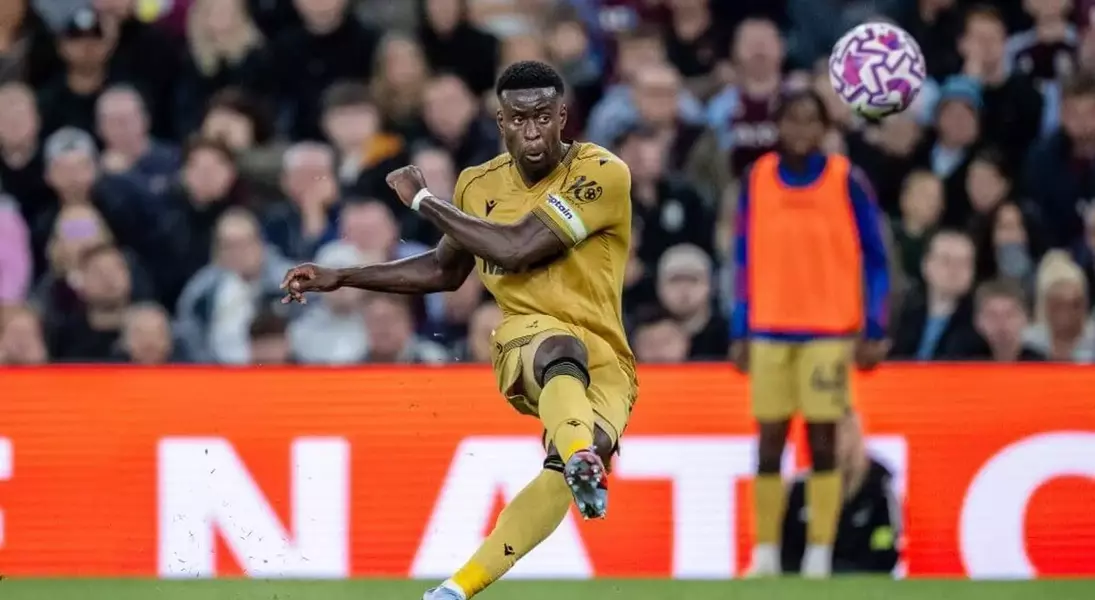
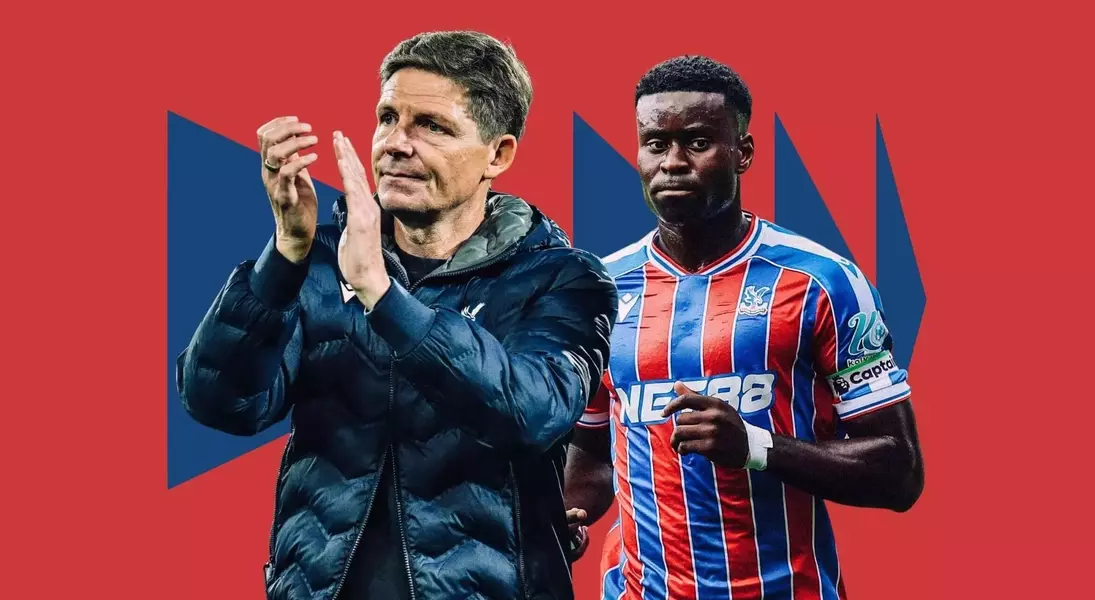
During the recently concluded transfer window, a prevailing trend emerged where players adopted more forceful approaches to secure moves to their preferred clubs. Instances such as Alexander Isak's departure from Newcastle to Liverpool, Yoane Wissa's transfer from Brentford to Newcastle, and Viktor Gyokeres's move from Sporting CP to Arsenal all exemplified this dynamic. These players reportedly employed tactics, including refusal to train, to facilitate their desired transitions. However, this strategy did not yield universal success, as evidenced by Marc Guehi's experience. Despite his strong inclination to join Liverpool, and even undergoing preliminary medical procedures, Crystal Palace ultimately prevented his transfer. This decision was largely driven by manager Oliver Glasner's insistence on securing a replacement before approving Guehi's exit, a replacement that Palace failed to acquire in time. This turn of events left Guehi returning to Selhurst Park as the deadline passed, illustrating the complex interplay between player ambition, club strategy, and market realities.
Beyond individual player sagas, the transfer market showcased remarkable financial maneuvers. Chelsea, in particular, demonstrated a consistent ability to secure advantageous terms in their dealings. A notable example was the resurrection of Nicolas Jackson's transfer to Bayern Munich, which had previously fallen through. The revised agreement saw Jackson move on a loan with a conditional obligation to buy, reportedly under terms highly favorable to Chelsea. This highlighted Chelsea's financial dexterity in an increasingly competitive market. Other significant transfers included Manchester City's acquisition of Gianluigi Donnarumma and the subsequent departure of Ederson to Fenerbahçe, marking a shift in City's goalkeeping ranks. Tottenham Hotspur also made a shrewd move by bringing in Randal Kolo Muani on loan from PSG, reinforcing their squad where needed. Additionally, several promising talents, such as Yunus Musah, secured moves that could provide them with more playing time, a crucial factor in a World Cup year. Liverpool's sale of Harvey Elliott to Aston Villa, initially a loan with a future permanent transfer, further showcased their ability to generate substantial profits, aligning with profit and sustainability regulations.
The window also saw the end of an era for some veterans, with Jamie Vardy's transfer to Cremonese marking a new chapter in his career. Meanwhile, the transfer market's unpredictability left some players in undesirable situations. Emiliano Martinez, for instance, had hoped for a move to Manchester United, even engaging in direct discussions with United's coach. However, the anticipated call never materialized, as United opted for Senne Lammens instead, leaving Martinez to return to Aston Villa. This episode underscored the often-unforeseen outcomes in the high-stakes world of football transfers. Concurrently, the managerial merry-go-round continued its rapid pace. Erik ten Hag's dismissal from Bayer Leverkusen after only three competitive matches, following his appointment just months prior, sent shockwaves through the football community. This swift decision, coming after the departures of Ole Gunnar Solskjaer and Jose Mourinho from their respective clubs, emphasized the intense scrutiny and short leash afforded to coaches in modern football. Ten Hag himself expressed dissatisfaction, feeling he was not given adequate time and trust, a sentiment that resonates with the brutal realities of top-flight management.
Ultimately, the latest transfer window and its aftermath underscored the intricate dynamics of professional football. It was a period defined by player agency, shrewd financial dealings by clubs, and the relentless pressure on managers. While some players successfully leveraged their positions to achieve desired moves, others faced disappointment, illustrating the unpredictable nature of the transfer market. Similarly, the rapid turnover in managerial roles served as a stark reminder of the high expectations and immediate results demanded in the sport. These events collectively painted a vivid picture of a football world constantly in flux, where fortunes can shift dramatically with each passing deadline and every coaching decision.
