A recent NWSL match between the Seattle Reign and Racing Louisville concluded with the Reign securing a 1-0 victory in a game previously halted due to a medical emergency involving Louisville's Savannah DeMelo. The resumed match, played without spectators, saw Jess Fishlock net the winning goal in stoppage time. This event has brought renewed attention to player welfare and the protocols surrounding on-field health incidents, as DeMelo continues to recover from her health scare, receiving widespread support from both teams and the league.
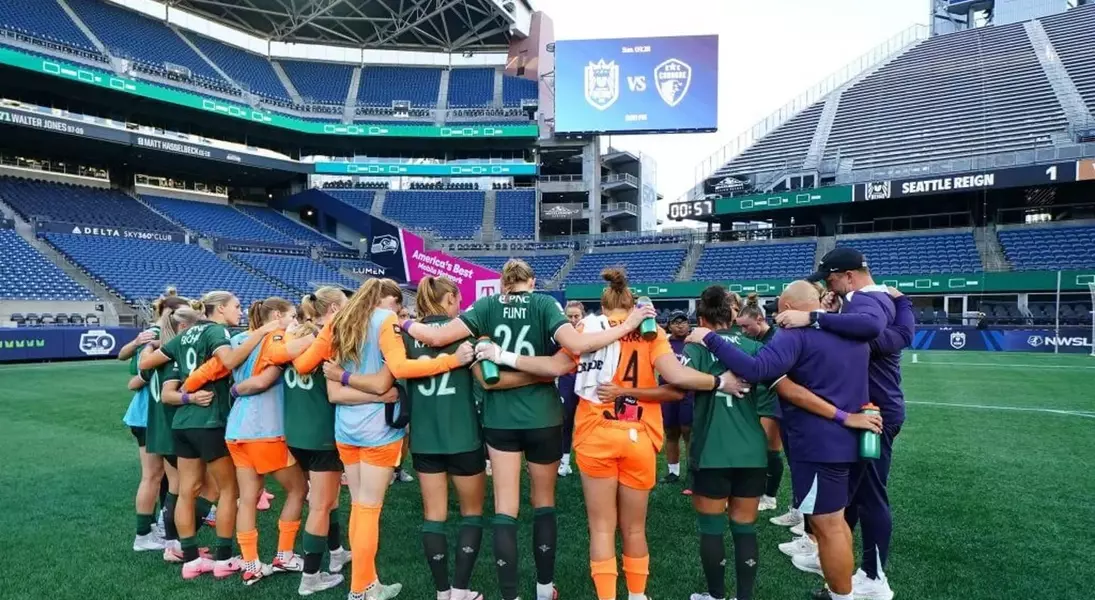
The Seattle Reign achieved a narrow 1-0 victory against Racing Louisville in a game that had been postponed and resumed due to a significant health incident involving Savannah DeMelo. The decisive goal was scored by Jess Fishlock late in the game, allowing the Reign to collect three crucial points and advance in the league standings. This win was particularly poignant given the circumstances, highlighting both the competitive spirit of the league and the overarching concern for player safety. The game's resumption behind closed doors emphasized the unusual nature of the event and the league's commitment to completing the fixture while prioritizing the well-being of its athletes.
The Unfolding of a Suspended Match
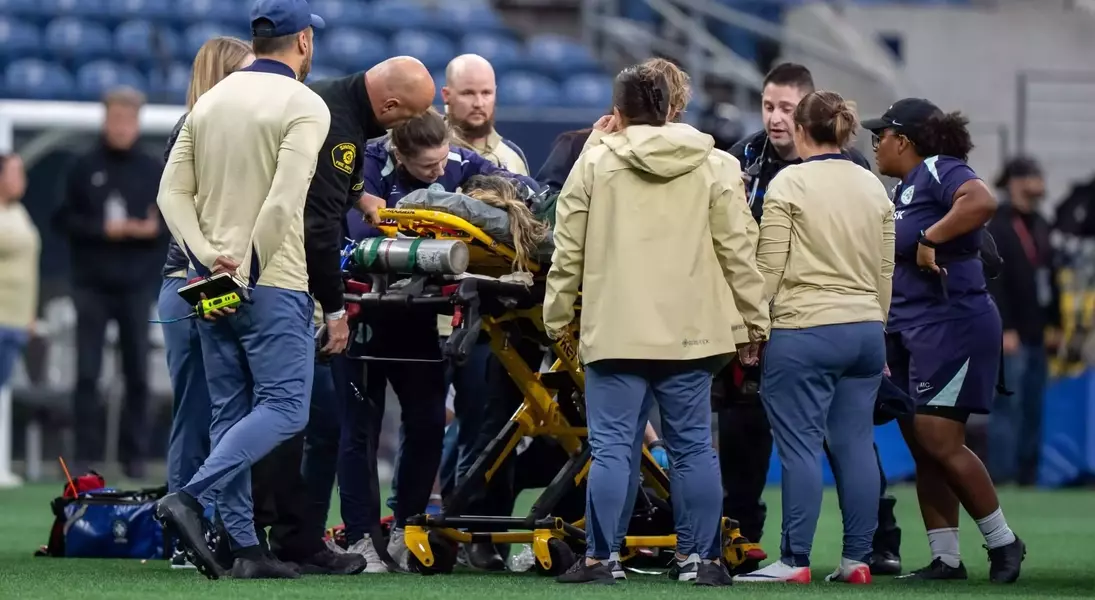
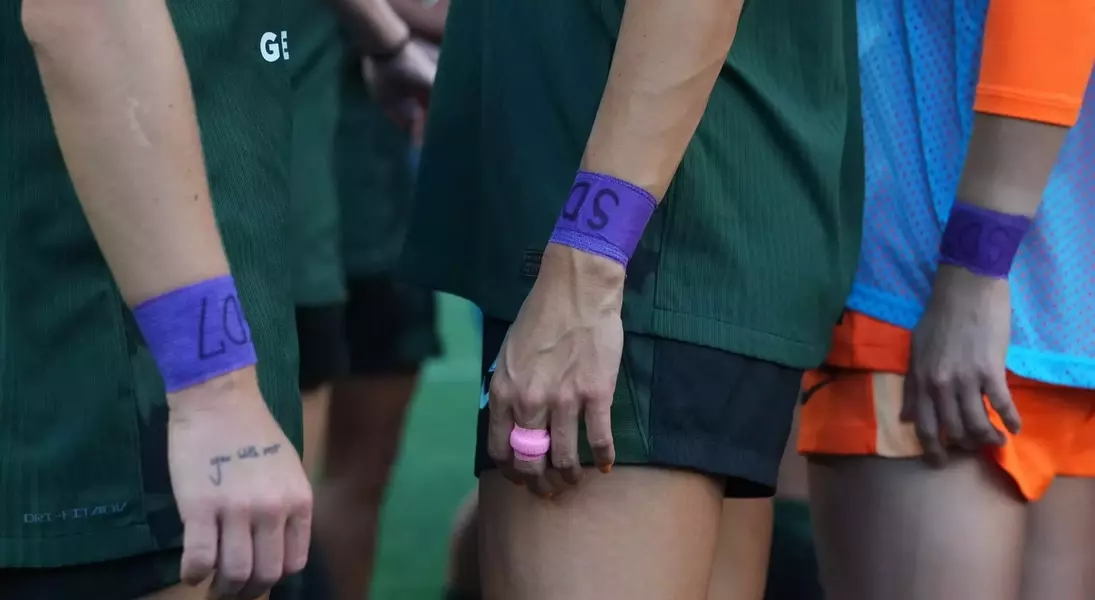
The initial match was abruptly suspended at halftime following Savannah DeMelo's collapse, leading to immediate medical attention. The subsequent decision to resume play days later, with both teams displaying a united front in support of DeMelo, underscored the profound impact of her medical emergency. Players from both sides wore purple wristbands as a gesture of solidarity, transforming the game into a tribute to their recovering colleague. This show of unity transcended team rivalries, emphasizing the strong bonds within the professional soccer community and the shared human experience behind the competitive facade.
The match between Seattle Reign and Racing Louisville, originally interrupted by Savannah DeMelo's on-field medical emergency, recommenced days later under unique circumstances. Following her collapse, which was later attributed to complications from Graves' disease and hyperthyroidism, the league opted to resume the game from the second half. Both teams demonstrated remarkable sportsmanship and concern for DeMelo, with players donning purple wristbands to honor her. This gesture highlighted the deep camaraderie among athletes and the broader community's support for DeMelo during her recovery. The game, ultimately decided by Jess Fishlock's late goal, became a testament to both athletic resolve and collective empathy, with all tactical considerations temporarily sidelined in favor of focusing on DeMelo's well-being. The incident prompted important conversations about emergency medical responses and player health protocols within professional sports, ensuring that such events are handled with the utmost care and attention.
Player Well-being and League Response
Savannah DeMelo's health emergency brought critical attention to player welfare, especially given a similar incident involving another player months prior. Her team, Racing Louisville, along with the league, acted swiftly and decisively to ensure her immediate care and to address the emotional impact on all involved. The coach's emphasis on human values over athletic performance resonated deeply, underscoring that player health is paramount. This incident, while concerning, served as a powerful reminder of the importance of robust medical protocols and a supportive environment for athletes.
The medical emergency involving Savannah DeMelo, who was diagnosed with Graves' disease and hyperthyroidism, served as a stark reminder of the unpredictable nature of athlete health. This event, occurring just months after another NWSL player collapsed on the field, intensified scrutiny on the league's medical preparedness and response mechanisms. Racing Louisville's coach, Bev Yanez, articulated the team's shift in priorities, stressing that the well-being of their player far outweighed any athletic objectives. DeMelo's stable condition, coupled with the league's swift decision to postpone the initial game, demonstrated a commitment to athlete safety. This approach, which involved immediate medical intervention and ongoing support, stands in contrast to past instances where play continued despite serious player injuries, reflecting a positive evolution in sports' handling of such sensitive situations. The collective focus on DeMelo's recovery, rather than the game's outcome, underscored a critical shift towards prioritizing human life and health above all else.
