
A recent red card incident involving Real Madrid's defender Dean Huijsen has ignited a heated and peculiar controversy, casting a spotlight on the long-standing friction between the club and Spain's football governing bodies. Despite an initial dismissal that seemed straightforward, the aftermath spiraled into a complex saga of appeals and counter-arguments. This dispute underscores a persistent tension within Spanish football, where issues of officiating frequently become flashpoints between one of the sport's most prominent clubs and the national football federation.
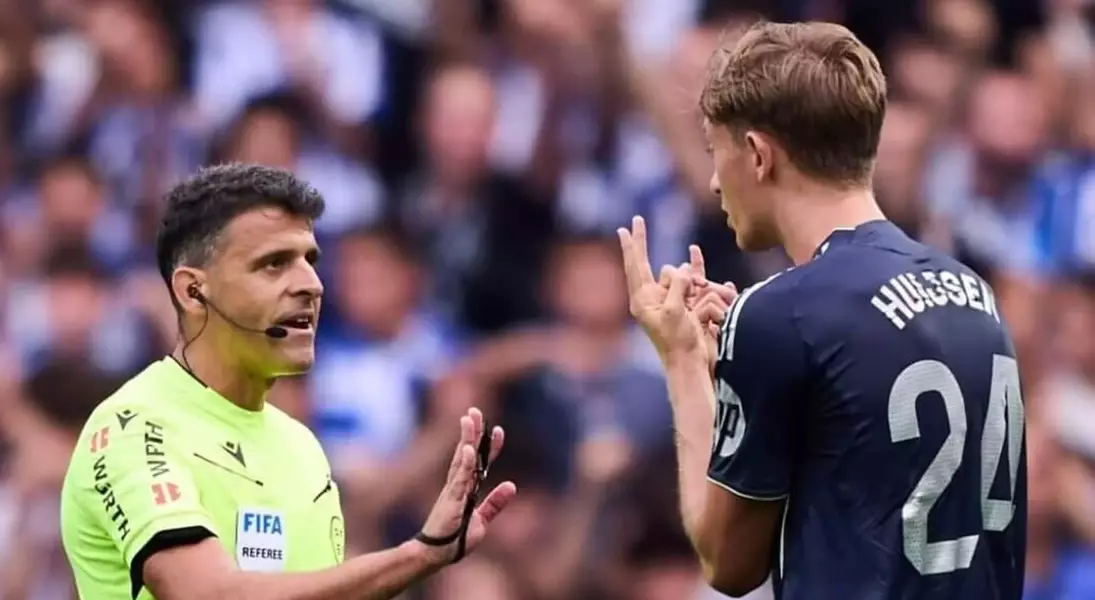
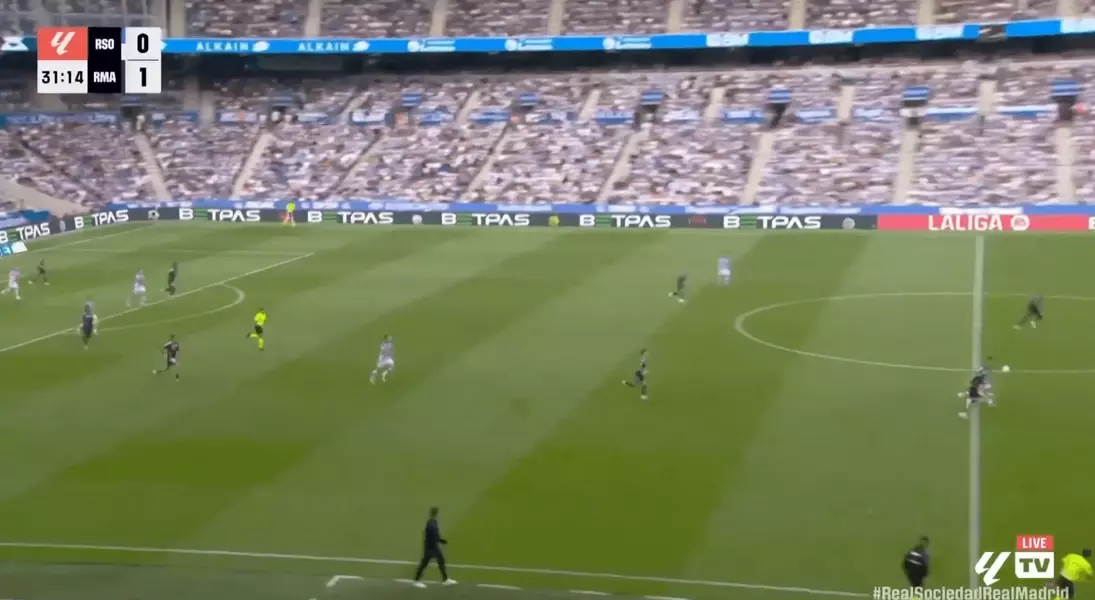
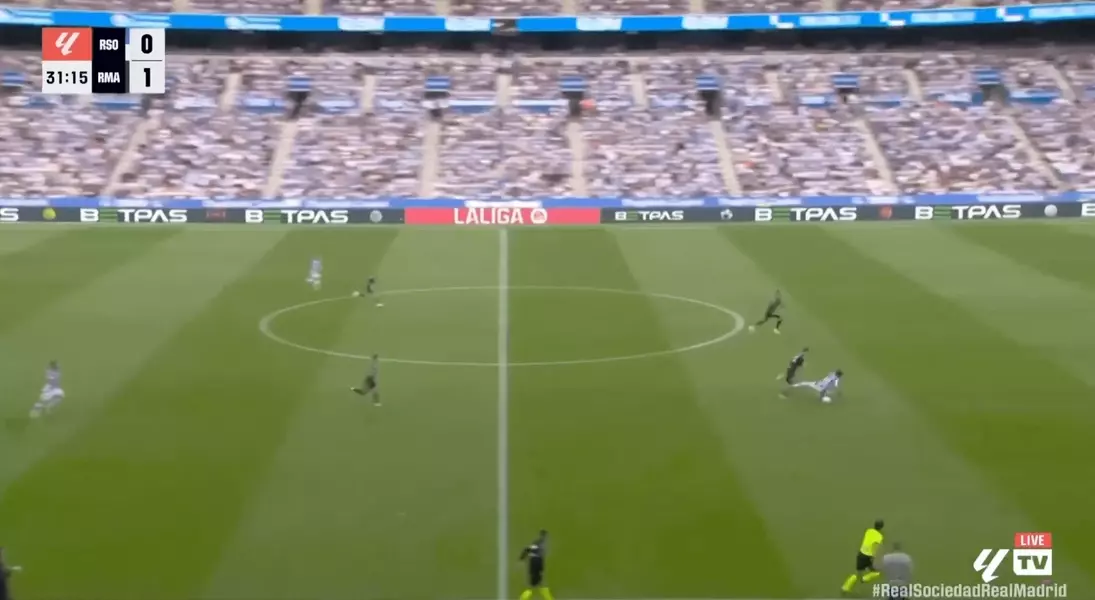
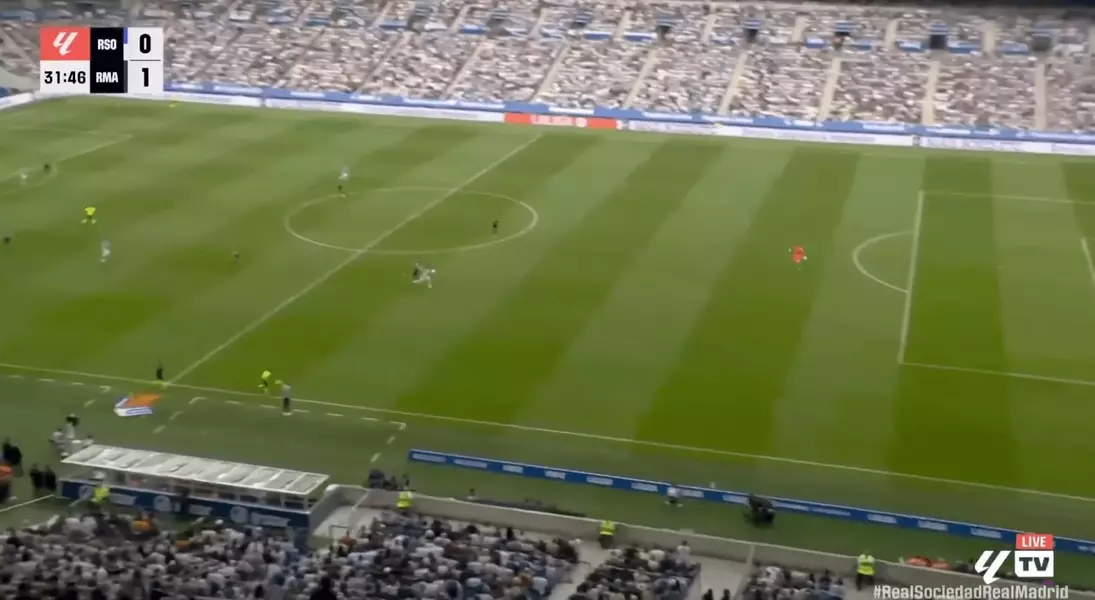
The incident occurred during Real Madrid's 2-1 victory against Real Sociedad last Saturday. In the 32nd minute, Huijsen, a 20-year-old center-back, was shown a red card for a challenge on Mikel Oyarzabal. The referee, Jesus Gil Manzano, determined that Huijsen had denied a clear goal-scoring opportunity, a decision that VAR did not overturn. However, Real Madrid strongly contested this ruling, arguing that Oyarzabal was approximately 40 meters from the goal, lacked full control of the ball, and fellow defender Eder Militao was in a position to cover. Coach Xabi Alonso publicly expressed his disagreement, suggesting it should have been a yellow card and noting that the decision significantly altered the game's dynamics.
In the days following the match, Real Madrid launched a series of appeals. Their initial attempts to overturn the red card were rejected by the Spanish Football Federation (RFEF). Adding a layer of complexity, the RFEF's refereeing committee (CTA) released a weekly review of controversial decisions, explicitly stating that an error had been made in Huijsen's case. CTA spokesperson Marta Frias clarified that the incident likely constituted a promising attack rather than a clear goal-scoring opportunity, suggesting a yellow card would have been more appropriate. Despite this acknowledgment from the CTA, which technically oversees refereeing, the RFEF's disciplinary committee maintained its stance, citing that VAR intervention is reserved for "clear, obvious, and manifest errors" and that such situations fall into "grey areas" of interpretation.
Real Madrid, buoyed by the CTA's implicit support, pressed forward with a second appeal to the RFEF's appeals committee, yet again receiving the same negative outcome. The club’s argument highlighted video evidence to demonstrate the lack of a clear goal-scoring opportunity, emphasizing Oyarzabal’s distance from the goal, his lack of ball control, and the presence of another defender. They also referenced a precedent involving Real Betis' Antony, whose red card was reduced to a yellow after a disciplinary review, allowing him to play in a subsequent match. However, the appeals committee reiterated that the referee remains the ultimate authority on the field and that the CTA's comments were mere recommendations, not binding directives to overturn match-day decisions. Consequently, Huijsen's suspension for the upcoming La Liga match against Espanyol was upheld, despite his active participation in Real Madrid's Champions League opener against Marseille.
The culmination of these events saw Real Madrid lodge a third appeal with the Administrative Sports Court (TAD), an independent administrative body. Before the TAD's ruling, both the club and Huijsen himself expressed their frustration. Huijsen took to social media, lamenting the situation and questioning the image it projected for Spanish football. Coach Alonso also voiced his disappointment, stating that while he wasn't surprised by the outcome, he had hoped for a different resolution, especially given the acknowledgment of an error. Ultimately, the TAD also rejected Real Madrid’s final appeal, solidifying Huijsen’s suspension. This prolonged dispute serves as a stark reminder of the intricate and often contentious relationship between Real Madrid and the Spanish football authorities, where a single red card can trigger a week-long battle over interpretation, rules, and authority.
