







This analysis examines Premier League teams' performance by focusing on the duration each team maintains a leading position during matches. It reveals intriguing patterns, with some traditionally strong teams spending surprisingly little time ahead, while others demonstrate remarkable improvements in securing early leads. The report also highlights the strategies employed by various teams, from Liverpool's knack for late-game heroics to the defensive solidity of teams like Leeds and Sunderland, and the evolving tactical approaches of clubs undergoing managerial transitions.
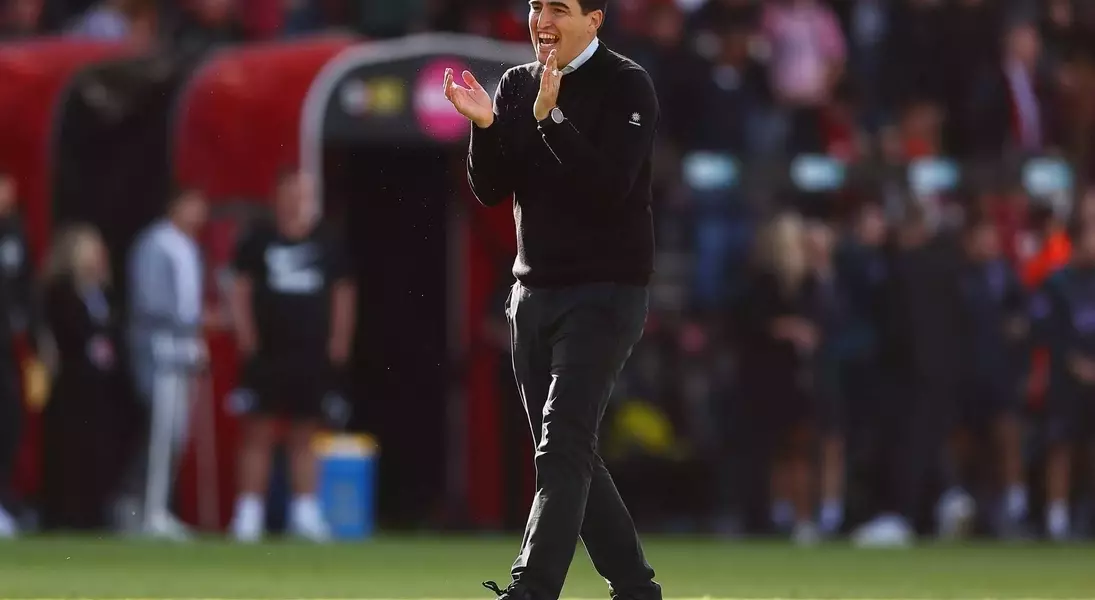
The study uncovers how early leads and the ability to maintain them, or conversely, to recover from deficits, significantly influence match outcomes and team standings. It showcases the fluctuating fortunes of clubs like Aston Villa and Wolves, who have struggled to establish leads, versus the proactive approach of Bournemouth, who have spent a substantial portion of their matches in front. The tactical nuances of managers, from Arne Slot's adaptability at Liverpool to Andoni Iraola's direct style at Bournemouth, are explored in relation to their teams' performance in various game states, providing a comprehensive overview of the league's competitive landscape.
Game State Dynamics and Team Strategies
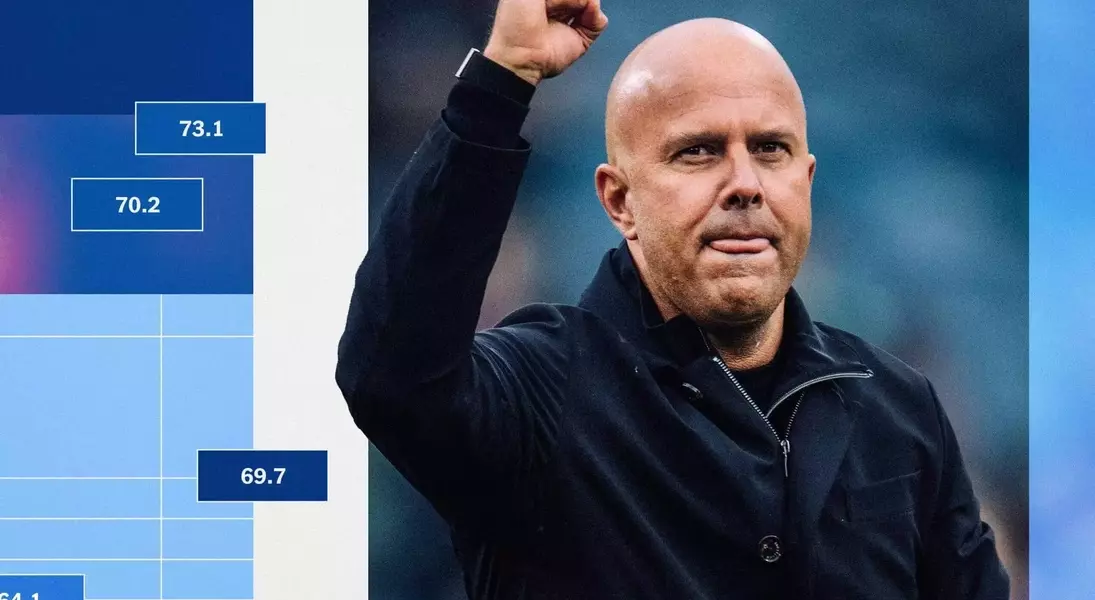
The latest edition of \"The Alternative Premier League Table\" offers a fascinating look at how teams have managed game states across their initial four matches. It highlights that teams like Aston Villa and Wolves have yet to hold a lead for any significant period, struggling to gain an advantage. In stark contrast, Bournemouth has demonstrated a remarkable ability to establish and maintain leads, spending 65% of their match time in a winning position, a significant improvement from the previous season. Liverpool, despite their perfect start, have spent less time leading than some might expect, often relying on late goals to secure victories, showcasing their resilience rather than early dominance. This season's statistics reveal a league where early leads are not always indicative of final results, and teams' capacity to adapt to various game scenarios, whether leading, level, or trailing, plays a crucial role in their success.
A deeper dive into the numbers illustrates the diverse strategies at play. Liverpool's reliance on late-game heroics, with numerous stoppage-time winners, points to a team that can grind out results even when not dictating play from the start. This contrasts with their previous season where they often secured early leads and controlled matches. Everton, surprisingly, has spent more time in the lead than their Merseyside rivals, indicating a more front-footed approach in the early stages of their games. Meanwhile, teams like Fulham and Leeds have spent a large proportion of their minutes level with opponents, suggesting a more cautious or balanced approach, often focusing on defensive solidity. The varied statistics on time spent leading, trailing, or drawing reveal much about each team's tactical philosophy, resilience, and their ability to convert opportunities or withstand pressure in the highly competitive Premier League.
Performance Trends and Managerial Impact
Analyzing performance trends across the Premier League's early fixtures reveals how managerial changes and tactical adjustments are shaping team dynamics. Manchester United, for instance, continues to grapple with inconsistencies, often trailing in matches, a trend that began in the previous season. Their struggles to convert expected goals into actual goals, coupled with defensive vulnerabilities, highlight areas needing urgent attention. Manchester City, after a dominant period, has shown signs of vulnerability when leading, suggesting a shift in their impenetrable control. Teams undergoing transitions, such as Nottingham Forest with Ange Postecoglou and Brentford with Keith Andrews, are adapting to new philosophies, with varying degrees of success in managing leads and recovering from deficits. These insights underscore the constant evolution within the league, where even slight shifts in strategy or player form can significantly impact a team's ability to maintain an advantage.
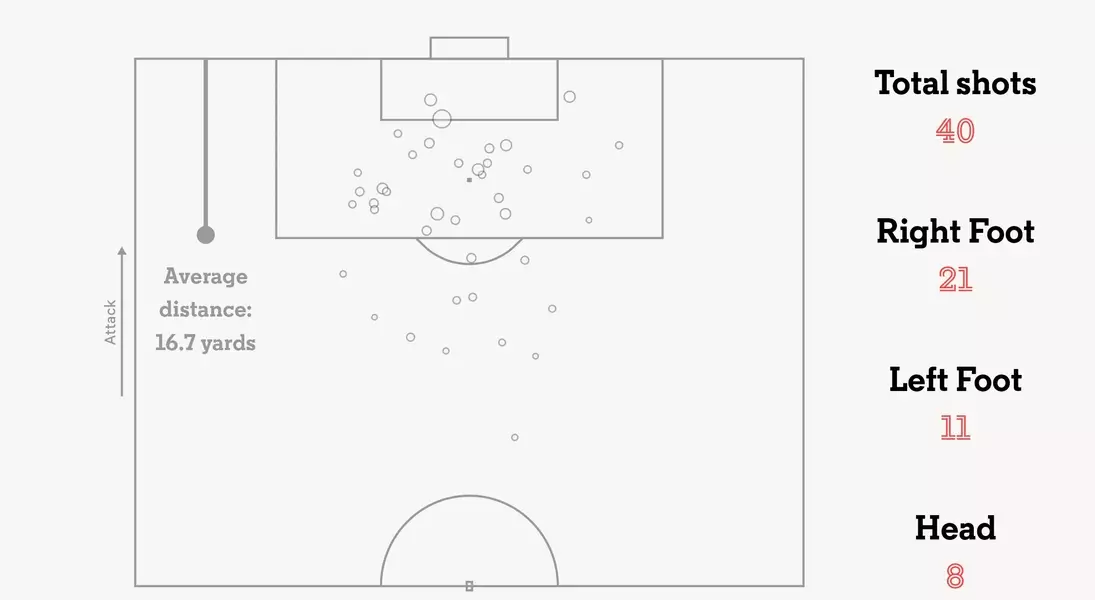
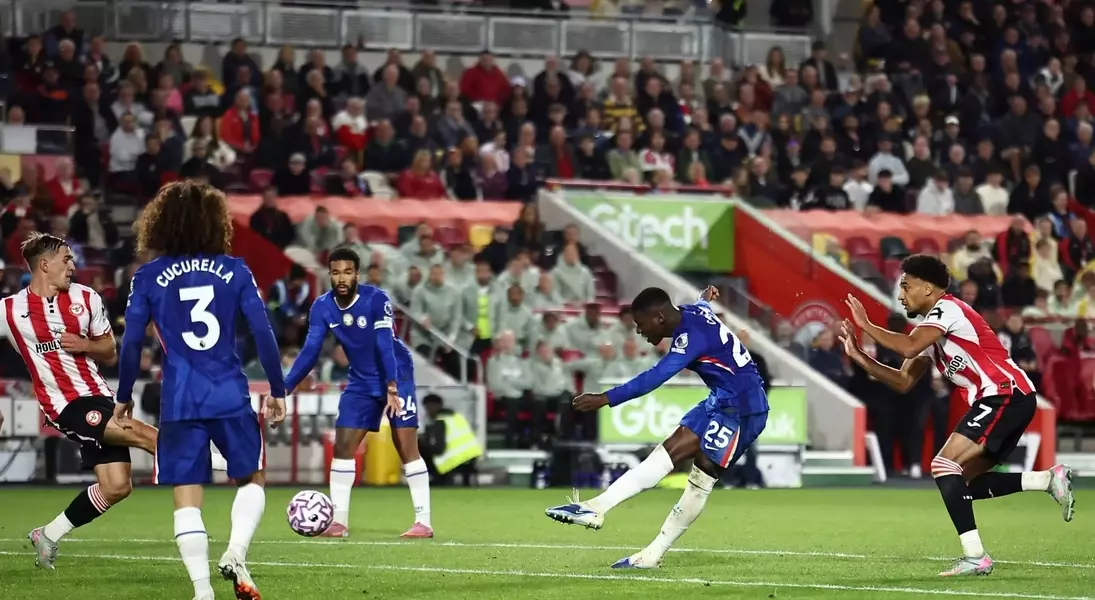
The impact of different coaching philosophies is evident in how teams manage game states. Nuno Espirito Santo's Forest thrived when leading, utilizing a compact defensive block, while Postecoglou's approach emphasizes playing through pressure, sometimes leaving them vulnerable. Brentford's history of struggling to hold onto leads, despite establishing them, indicates a need for better game management, a challenge for their new leadership. Tottenham, under Frank, has shown an improved ability to maintain leads, but their defensive weaknesses persist, allowing opponents numerous scoring opportunities. Chelsea, despite a healthy percentage of time spent in the lead, still faces challenges in consistency, particularly after a transitional period. These detailed observations highlight that maintaining a lead in the Premier League requires not just scoring goals but also a robust defensive structure and effective game management, aspects that managers continuously fine-tune to achieve success.
