



This report delves into key developments in the football world, focusing on Kylian Mbappe's evolving role at Real Madrid, the strategic expansion of Liga MX, and innovative advancements within the sport. Mbappe's stellar performance, marked by crucial goals in the Champions League, signals a shift in leadership at the Bernabéu, drawing significant attention away from his teammate Vinicius Jr. Concurrently, Liga MX is actively pursuing a global growth strategy, aiming to capitalize on the upcoming 2026 World Cup to elevate its international standing and compete with established European leagues. Furthermore, an inventive football pump is revolutionizing equipment management for top clubs, highlighting how even seemingly minor innovations can significantly impact professional football operations. These interconnected narratives paint a vivid picture of a sport continually adapting and evolving on multiple fronts, from player dynamics and league ambitions to technological advancements.
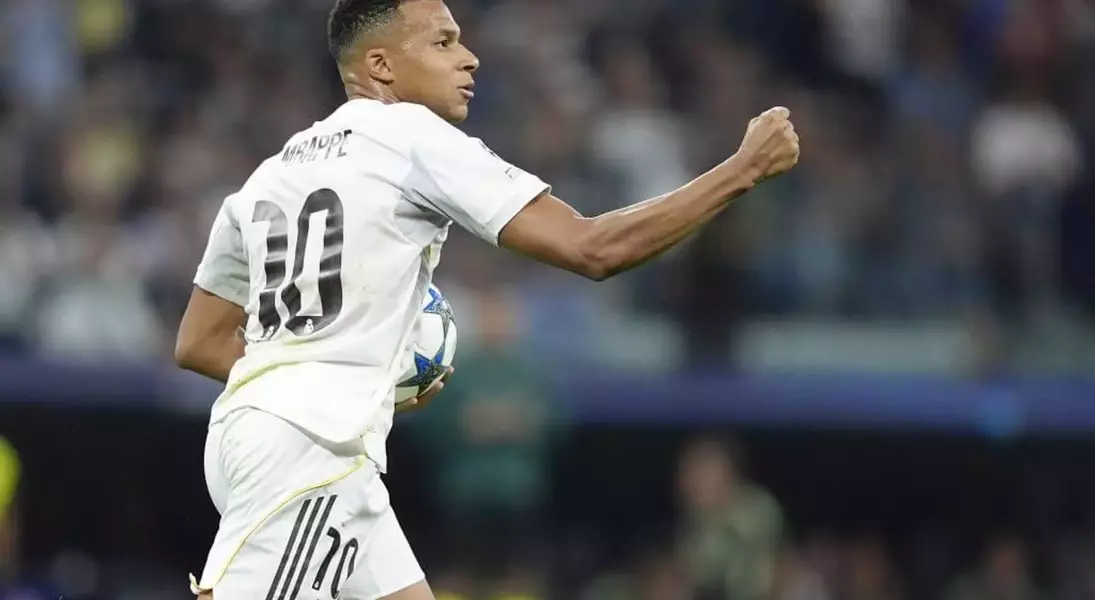
Kylian Mbappe, often regarded as Real Madrid's most significant acquisition in recent memory, experienced a relatively quiet debut season in 2024-25 without any major domestic trophies. However, the current season has seen a dramatic turnaround in his performance and influence. During a recent Champions League fixture against Marseille, Mbappe's exceptional play, including two penalty conversions, secured a vital 2-1 victory for Real Madrid. This performance not only bolstered the team's European campaign but also firmly established Mbappe as the team's central figure, eclipsing Vinicius Jr., who was once considered the club's primary star.
The strategic shift under new head coach Xabi Alonso has undeniably favored Mbappe's style of play. While Vinicius Jr. thrives on counter-attacking opportunities, Alonso's tactical setup appears to be more aligned with Mbappe's strengths, allowing him to flourish. This transition became particularly evident during the match where, despite Real Madrid's early struggles, including conceding a goal to Tim Weah and a red card for Dani Carvajal, Mbappe's composure in front of goal proved decisive. His 50th goal for the club in just 64 appearances underscores his pivotal role, reinforcing Alonso's apparent decision to build the team's future around the French forward.
Beyond Real Madrid's immediate triumphs, the broader European football landscape is witnessing a dynamic season. The revised format of the Champions League has consistently delivered thrilling encounters, challenging initial concerns about potential dullness. For instance, Juventus staged a remarkable comeback, scoring twice in stoppage time to secure a 4-4 draw against Borussia Dortmund. Similarly, Azerbaijan's Qarabag achieved an impressive 3-2 victory over Benfica, leading to Benfica manager Bruno Lage's departure. These results highlight the intense competition and unpredictability inherent in the new format, where every match holds significant implications for qualification and financial rewards. Both Arsenal and Tottenham Hotspur have also commenced their campaigns with strong performances, demonstrating their readiness to vie for top honors in the revamped tournament.
In parallel, Mexico's Liga MX is poised for a significant global expansion. Despite its immense popularity domestically, the league has historically struggled to reach broader international audiences. This trend is rapidly changing, with Liga MX actively recruiting high-profile players like Sergio Ramos and implementing ambitious commercial strategies. The league aims to leverage the co-hosting of the 2026 World Cup in North America to enhance its global appeal and compete with established European leagues by even contemplating playing official matches in the United States, where a substantial Mexican fan base already exists. This proactive approach by Liga MX could potentially challenge the dominance of Major League Soccer in the North American market, as both leagues vie for international recognition and fan engagement.
Innovation is also transforming less glamorous aspects of football. Maurin Kieft's invention of an electric football pump, capable of inflating 40 balls in just two minutes, is a testament to this. While seemingly minor, this device addresses a pervasive, often overlooked logistical challenge faced by professional clubs. Major teams such as Barcelona, Liverpool, Manchester City, and Paris Saint-Germain have already adopted this technology, recognizing its efficiency and value. Costing over £450, this sophisticated pump replaces the laborious manual process, demonstrating how specialized technological advancements can streamline operations and improve efficiency at elite levels of the sport. This reflects a broader trend within football to embrace technology for operational improvements, even in unexpected areas.
The football world is currently experiencing a period of significant change and excitement, as evidenced by the dramatic rise of players like Kylian Mbappe at Real Madrid and the ambitious global expansion plans of Liga MX. Innovations, such as the advanced football pump, underscore the sport's continuous drive for efficiency and excellence. Meanwhile, the evolving dynamics of the Champions League continue to deliver thrilling contests, ensuring that football remains a captivating and ever-changing spectacle for fans worldwide. The strategic efforts of various leagues and clubs to adapt to new challenges and embrace opportunities promise a vibrant future for the sport, characterized by intense competition, technological integration, and a growing global footprint.
