






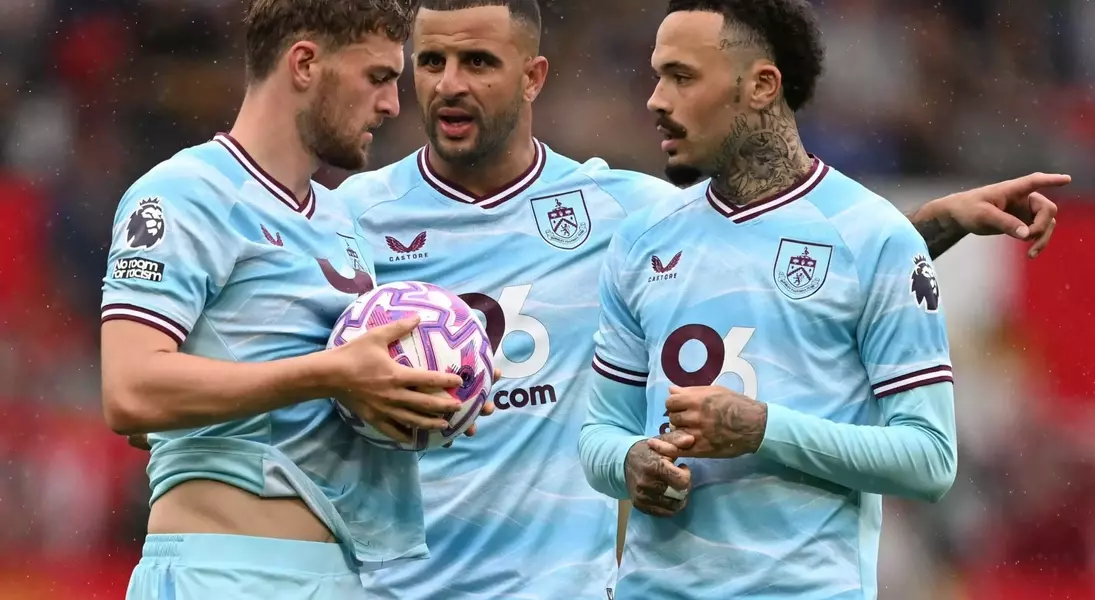
This analysis delves into the intricate challenges confronting football clubs recently promoted to the Premier League. It scrutinizes the initial performances of Leeds, Sunderland, and Burnley, contrasting their encouraging beginnings with the historical difficulties faced by newly ascended teams. The piece underscores the significant economic and competitive chasm separating the Premier League from the Championship, examining the strategic approaches adopted by these clubs to defy the pattern of immediate relegation and uphold the competitive spirit of English football's premier tier.
The Crucible of Survival: Newcomers Vie for Premier League Permanence
An Enthusiastic Welcome: Early Victories and Fanfare
At the onset of the new Premier League season, a wave of optimism enveloped the newly promoted clubs. Sunderland's return to the top flight after an eight-year hiatus was met with a spectacular tifo display at the Stadium of Light, showcasing the club's deep roots and ambition. Two days later, Leeds United, fresh from their Championship triumph, were welcomed at Elland Road with a banner boldly proclaiming their return: "Premier League, have you missed us?". Meanwhile, Burnley's new squad commenced their campaign at Turf Moor to the stirring sounds of Ennio Morricone's 'The Ecstasy of Gold.' Remarkably, all three teams celebrated opening day victories, igniting a fervent belief among their supporters. These triumphs resonated far beyond their respective stadiums, captivating observers, including Premier League chairman Richard Masters, who personally witnessed Sunderland's momentous start, signaling a collective sense of relief and celebration for the league's competitive landscape.
The Chasm Between Leagues: A Growing Disparity
The previous two seasons cast a long shadow, as all six promoted clubs faced immediate relegation, with some enduring dismal point tallies, such as Sheffield United's 16 points and Southampton's 12 points. Such outcomes challenge the Premier League's claim of being the world's most competitive league. The absence of sporting tension, exemplified by vast point differences between teams, undermines the league's commercial appeal, particularly in television rights negotiations. As established 'middle-class' teams like Brentford and Brighton solidify their positions with substantial Premier League revenues and European competition funds, the vulnerability of promoted challengers intensifies. The once-discussed gap between the Premier League and the Championship has evolved into a formidable gulf, making upward mobility increasingly arduous.
Breaking the Relegation Cycle: A Pressing Need for Stability
A third consecutive season where all three promoted clubs are relegated would signify a damaging trend for the Premier League as a commercial entity. Such a scenario would imply a lack of competitive jeopardy, transforming the league into a hard-to-sell, closed shop. As Sky Sports pundit Gary Neville eloquently stated, the game requires promoted clubs to establish their presence and remain in the top division. Leeds manager Daniel Farke describes this formidable task as "breaking the curse," while Burnley manager Scott Parker acknowledges the immense challenge of competing against clubs with years of sustained Premier League investment. An anonymous executive from a promoted club emphasized the critical importance of jeopardy for the health of the sport. Throughout the season's initial matches, observers have closely monitored Sunderland, Burnley, and Leeds to assess their readiness for the Premier League's rigorous demands.
Leeds United's Campaign: Defensive Fortitude and Transfer Challenges
Following a hard-fought goalless draw against Newcastle United at Elland Road, Leeds manager Daniel Farke expressed satisfaction, marking it as "happy days." This result brought Leeds' points tally to four from three matches, including two clean sheets, demonstrating their competitive spirit despite a demanding schedule that included a fixture against a Champions League-level club. Farke’s pre-season target of one point per game seems attainable. Despite a robust defensive performance against Newcastle, the team's reliance on a penalty for their sole goal in three matches raised concerns among some fans. Farke's squad, heavily reliant on players from their Championship-winning season, despite significant summer investment, possesses Championship-era characteristics. This prompted Farke to issue a subtle transfer ultimatum, underscoring the urgent need for attacking reinforcements to capitalize on their promising start and avoid a slip in form.
Sunderland's Bold Strategy: Transformation and Early Success
In stark contrast to Leeds' evolutionary approach, Sunderland opted for a dramatic transformation, actively reshaping their squad. The transfer window saw a flurry of activity, with 13 new first-team players joining the ranks and a significant increase in the wage bill, amounting to approximately £130 million in net expenditure. This overhaul, driven by a boardroom decision recognizing the gulf between the Championship and the Premier League, yielded immediate dividends. Sunderland secured six points from their opening matches, propelling them to sixth in the early league standings. Sporting director Kristjaan Speakman highlighted the momentum gained from home victories against West Ham and Brentford. Coach Regis Le Bris, a pragmatist, acknowledged the massive gap, emphasizing the need for tactical discipline and efficiency. Sunderland's victories, particularly their ruthlessness in converting chances with limited possession, showcased their adaptability to the top flight's demands.
Burnley's Calculated Approach: Versatility and Resilience
Burnley's initial Premier League campaign has been characterized by a blend of tactical versatility and resilience. Despite conceding several goals in high-scoring encounters against formidable opponents like Tottenham and Manchester United, Burnley demonstrated their ability to compete, even holding a draw at Old Trafford until the final moments. Their victory against Sunderland provided a crucial boost in belief for both players and fans, a stark contrast to the struggles of last season's relegated teams. The club has embraced a pragmatic philosophy, emphasizing "versatility" in their summer recruitment, including a substantial investment in Lesley Ugochukwu. Despite losing key players, the arrival of experienced figures like Martin Dubravka and Kyle Walker has instilled a strong sense of determination within the squad. Manager Scott Parker has candidly prepared his team for periods of adversity, stressing the importance of being "comfortable being uncomfortable," a mindset crucial for navigating the demanding Premier League schedule.
A Glimmer of Hope: Breaking the Cycle of Decline
The collective performance of Leeds, Sunderland, and Burnley in their opening matches offers a significant improvement over the previous two seasons' promoted sides. With a combined 13 points and four wins from their first nine games, these clubs have demonstrated a greater capacity to compete than their predecessors, who collectively managed only two points from 18 games. Crucially, their victories include a win against Brentford, a team that thrived on points from the bottom three last season. This early success provides a vital platform for survival and the prospect of continued lucrative Premier League income. While the true test lies ahead, particularly in the demanding September and October fixtures, these clubs have, for now, injected a much-needed element of competitive intrigue into the Premier League, preventing a predictable procession of results and maintaining the league's dynamic appeal.
The Enduring Importance of Competitive Balance in Premier League Football
As Gary Neville highlighted, a consistent pattern of immediate relegations risks transforming the Premier League into a 'fixed league' by default, a scenario detrimental to its appeal. The league's new £6.7 billion television contract underscores its global stature, a strength built on competitive football, passionate stadiums, and an unrivaled atmosphere. However, if the same teams consistently remain at the top, the league's claims of being the pinnacle of English football's competitive pyramid will diminish. As one veteran observer from the football and media industry noted, the Premier League faces a real danger of decreased interest if it becomes too predictable. A genuine relegation battle is crucial for broadcasters, forming a vital part of the season-long drama. The past few seasons have lacked this suspense, with newly promoted teams struggling to cope. To maintain its global appeal, the league desperately needs to preserve its sense of jeopardy, where every game truly matters and the outcome remains uncertain.
