This comprehensive analysis examines the intricate relationship between squad changes and on-field success within the demanding landscape of the Premier League. Through a meticulous review of historical data and club strategies, we uncover compelling insights into how different levels of player turnover, or 'squad churn,' directly influence team performance and championship aspirations. From the cautious evolution favored by established giants to the radical overhauls undertaken by ambitious contenders, this exploration sheds light on the delicate balance clubs must strike to build a winning team.
Sustained Triumph: The Art of Gradual Transformation in Elite Football
The Allure of New Faces vs. The Value of Cohesion
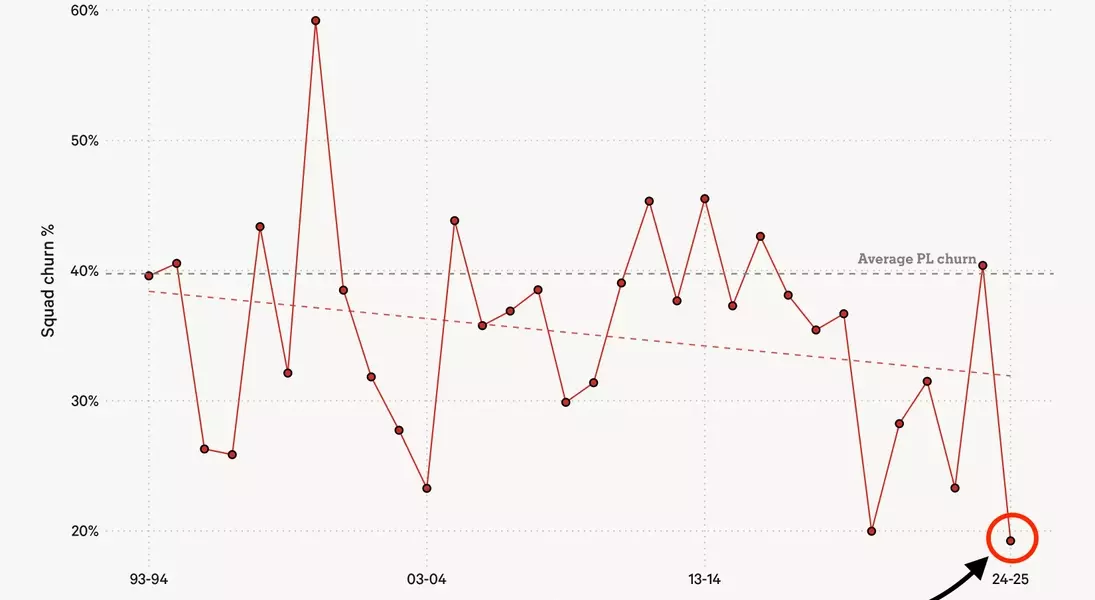
The transfer market's allure often presents a tempting vision of instant success through significant new signings. While the excitement surrounding fresh talent is palpable, especially following record-breaking expenditures by Premier League clubs, a critical question emerges: can an excess of change actually impede progress? Recent examples, such as Liverpool's strategic restraint in player acquisition before their 2024-25 title win, suggest that merely adding numbers to a squad does not guarantee success. Instead, the focus shifts to understanding how much Premier League rosters genuinely adapt season-to-season and the optimal equilibrium between preserving a stable foundation and integrating fresh talent.
Defining Squad Churn: A Metric for Team Transformation
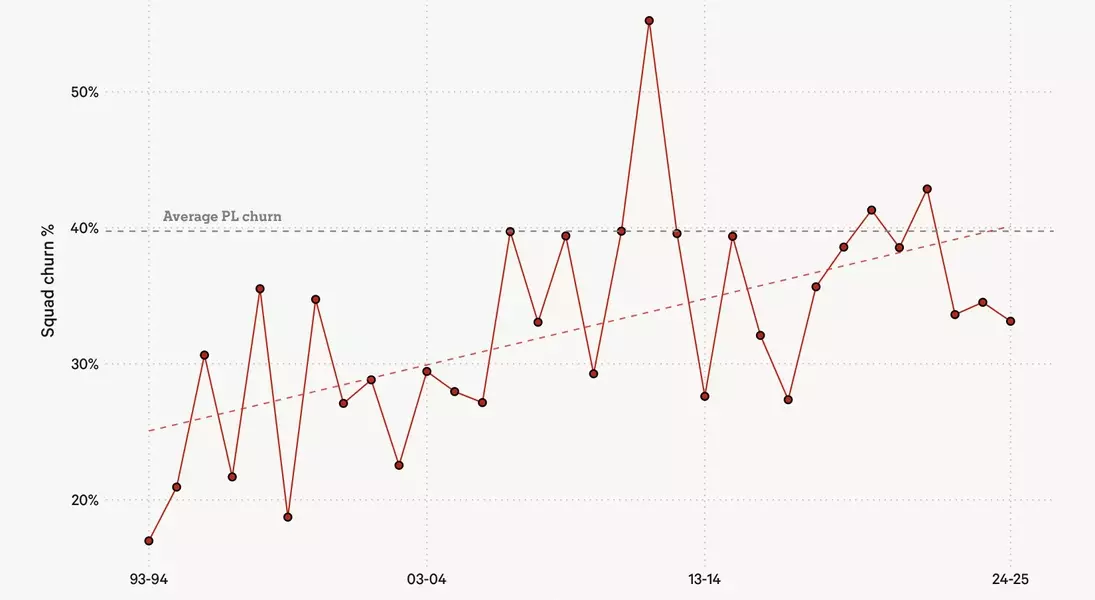
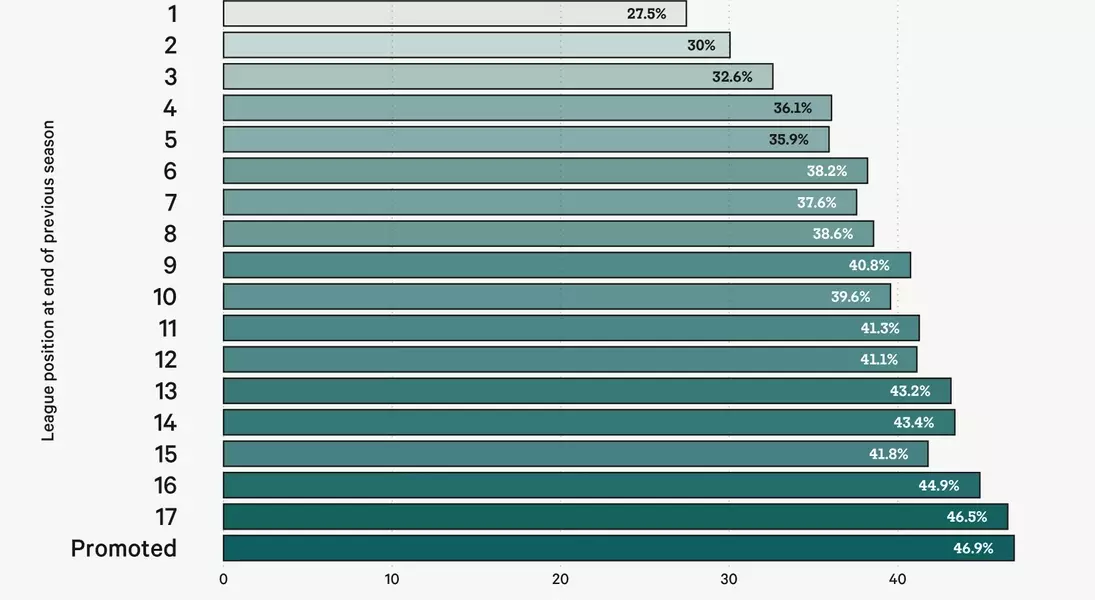
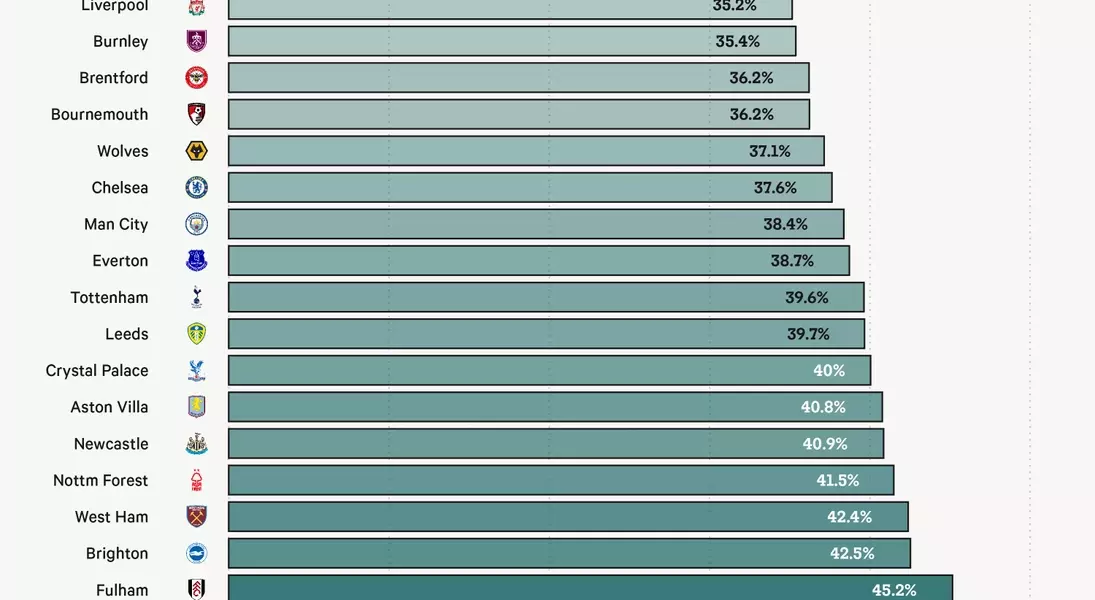
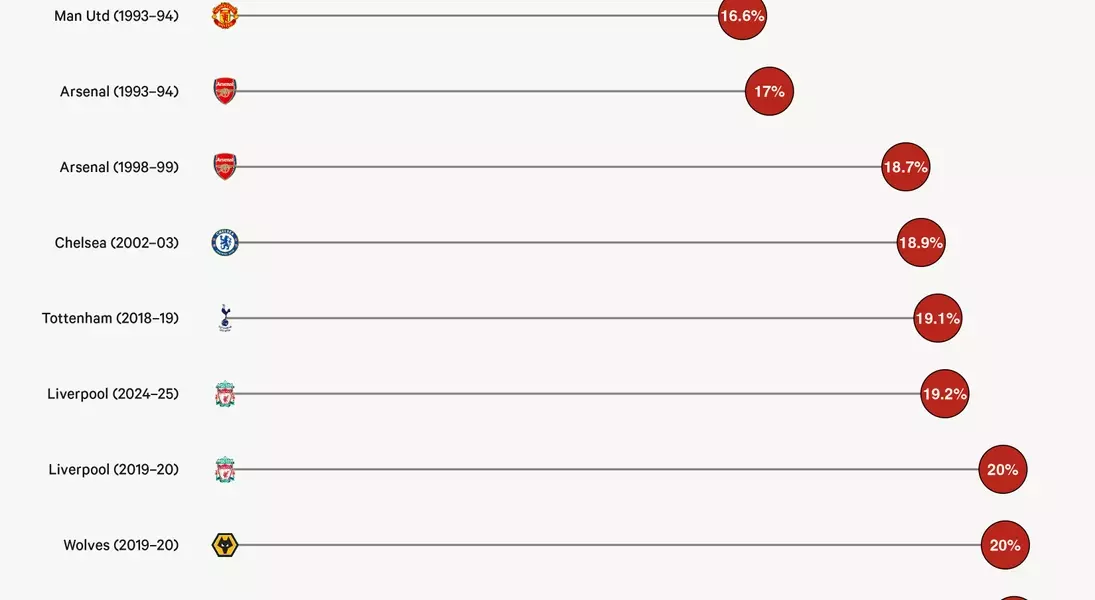
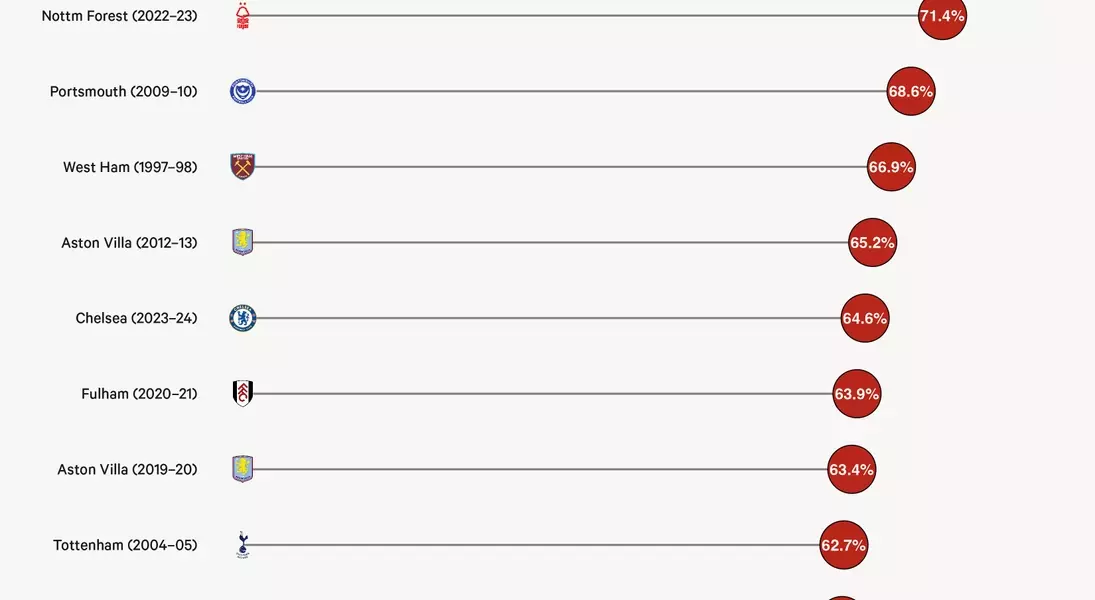
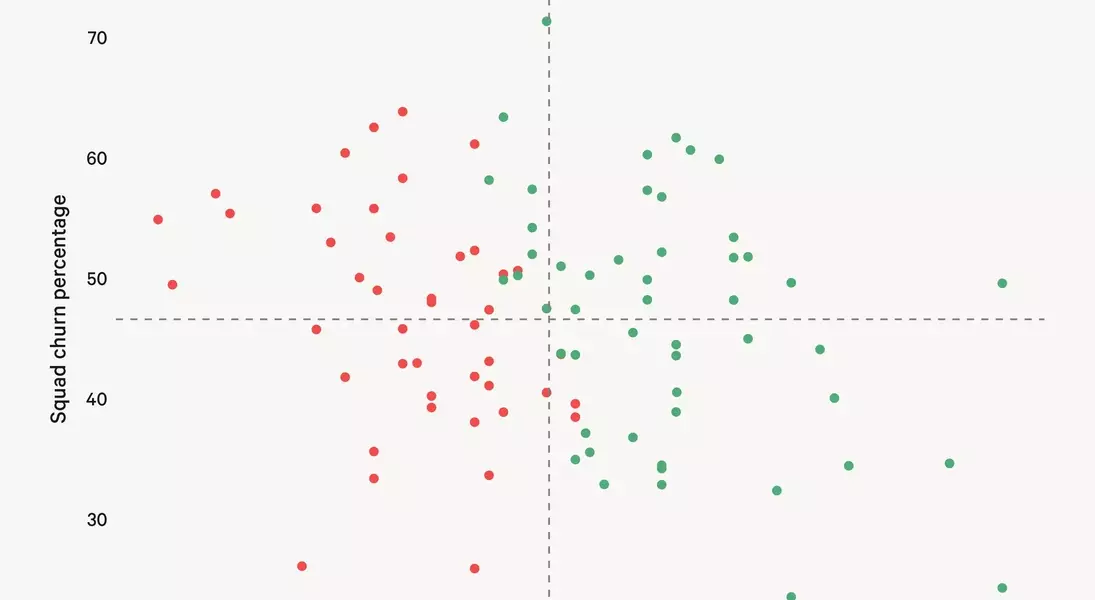
Beyond the immediate impact of individual transfers, a broader perspective on squad evolution is crucial. 'Squad churn' quantifies the shift in playing minutes from one season to the next, encompassing various factors like new player arrivals, departures, injuries, and tactical adjustments. A zero percent churn signifies complete continuity, while one hundred percent indicates a total rebuilding effort. Neither extreme is realistically achievable in professional football. Historically, reigning champions typically exhibit minimal squad changes, with higher churn observed among lower-ranked teams and, most notably, newly promoted clubs striving to bridge the competitive gap.
The Enduring Legacy of Stability: Manchester United's Historical Model
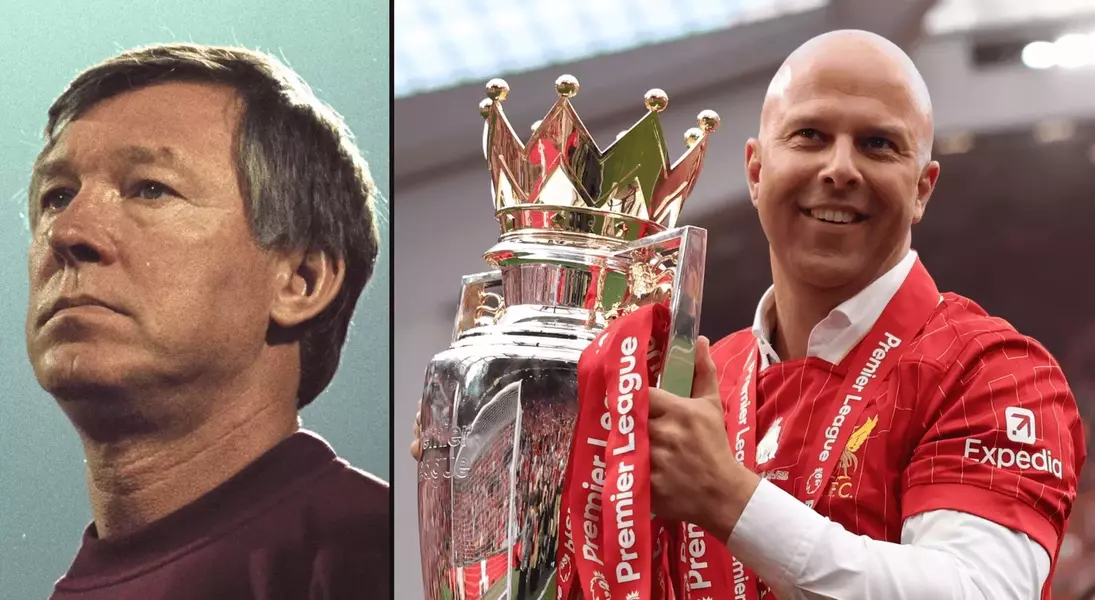
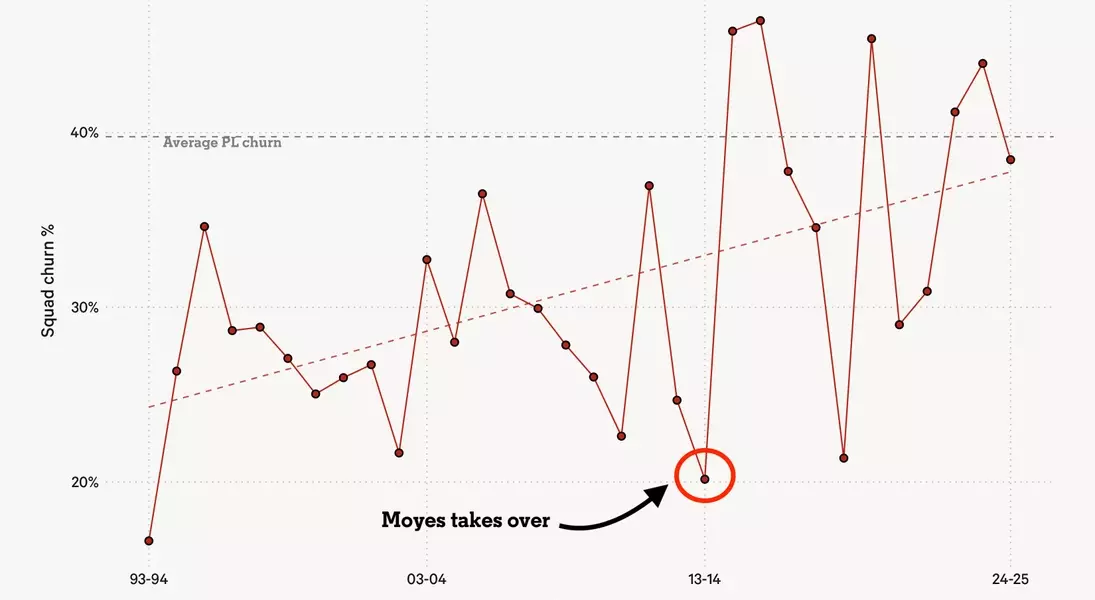
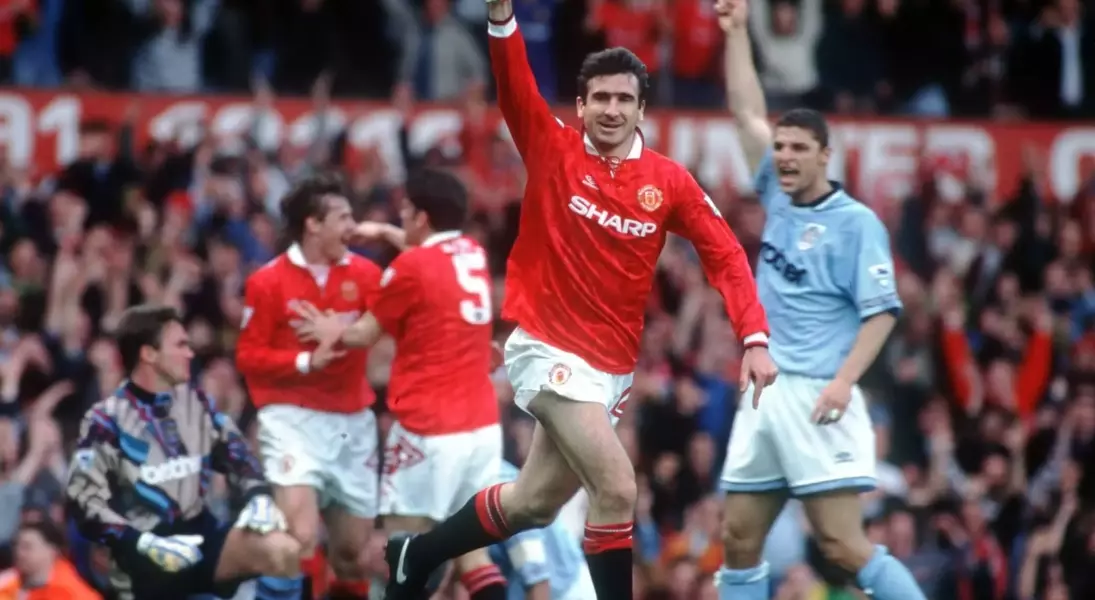
As the Premier League's most decorated club, Manchester United's past success under Sir Alex Ferguson exemplified the power of measured squad evolution. Their consistently low average churn reflected a deliberate strategy of infrequent yet impactful acquisitions. This long-term vision prioritized continuity, minimizing the need for drastic, single-season overhauls. However, the post-Ferguson era highlighted the risks of insufficient renewal; a lack of timely investment led to stagnation and a subsequent period of significant, costly rebuilds, demonstrating that while stability is vital, complacency can prove detrimental.
Liverpool's Strategic Adaptation: Learning from the Past
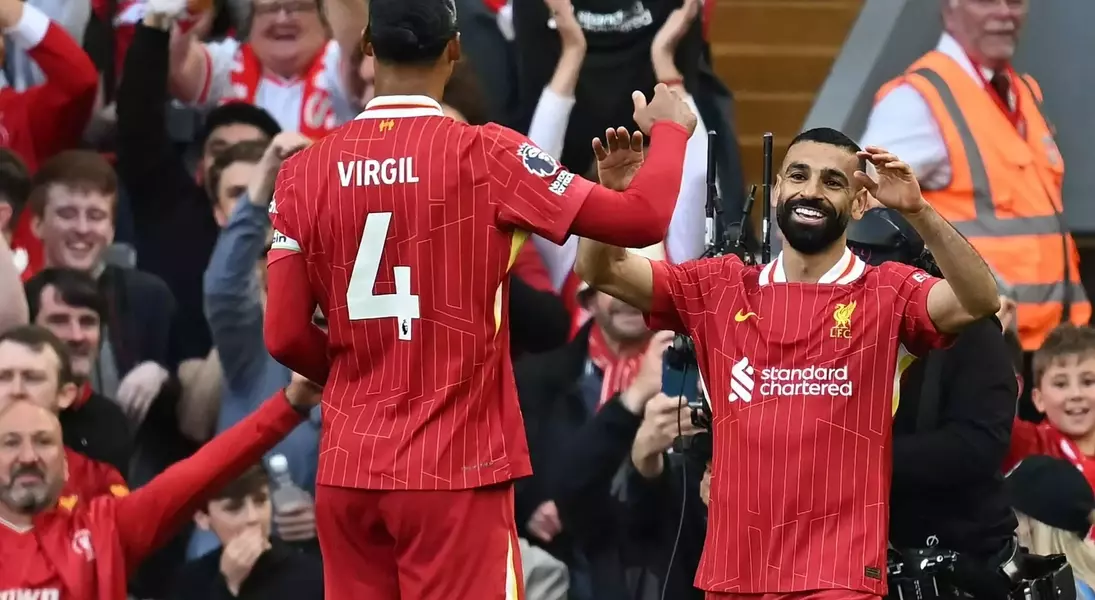
In contrast to United's historical blueprint, current titleholders Liverpool present a different trajectory. After years of inconsistent squad composition, their recent resurgence and championship triumph were underpinned by newfound stability. While their 2024-25 title-winning campaign saw minimal churn, their subsequent, substantial summer overhaul suggests a proactive approach to prevent the kind of stagnation that befell Manchester United. This indicates a nuanced understanding that even a successful, stable team may require strategic rejuvenation to maintain its competitive edge.
Manchester City's Path to Dominance: A Stable Core with Elite Talent
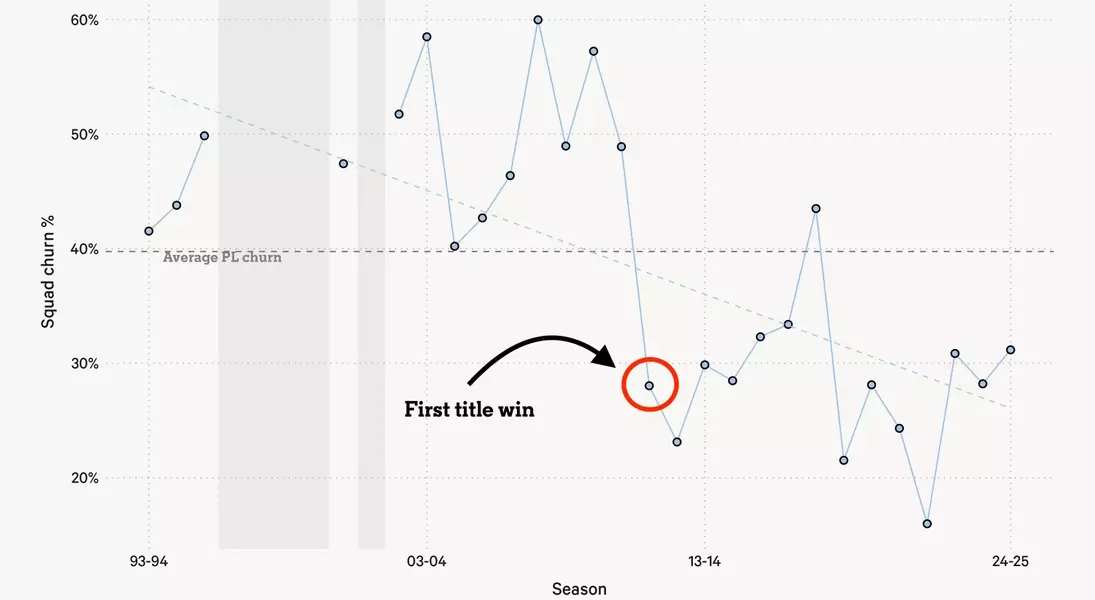
Manchester City's ascent to Premier League dominance mirrors the importance of establishing a consistent, high-caliber playing core. Their first league title coincided with a notable reduction in squad turnover, dipping below the historical average for the first time. Under Pep Guardiola, the club has consistently favored a compact and stable group of elite players, achieving record-low churn rates in title-winning seasons. This approach underscores the principle that sustained success often stems from a cohesive unit, with measured adjustments rather than wholesale changes.
The Perils of Drastic Overhaul: Lessons from Promoted Sides and High-Spending Clubs
While champions often opt for stability, teams fighting for survival or those with aggressive recruitment strategies frequently experience higher levels of squad churn. Newly promoted clubs, in particular, face the challenging dilemma of preserving existing team chemistry versus implementing significant changes to meet Premier League demands. Yet, there's no universally applicable formula; some teams benefit from extensive reinforcement, while for others, sweeping changes can destabilize the squad. Even high-spending clubs like Chelsea under new ownership demonstrate that a high-volume recruitment approach doesn't automatically translate to immediate success and can lead to unprecedented levels of squad overhaul.
The Wisdom of Evolution: Arsenal's Contemporary Blueprint
The rare exception, such as Leicester City's improbable title win with a high churn rate driven by necessity, emphasizes the general rule: champions are typically forged through careful, incremental evolution. Mikel Arteta's Arsenal embodies this philosophy, prioritizing gradual, thoughtful additions to a developing core. Their most successful recent seasons have coincided with increased squad stability. While their latest transfer window has seen a notable financial outlay, the focus remains on building a resilient, multi-layered squad capable of sustained competition, aligning with the timeless wisdom that cohesion and stability are often undervalued yet critical ingredients for long-term footballing success.
