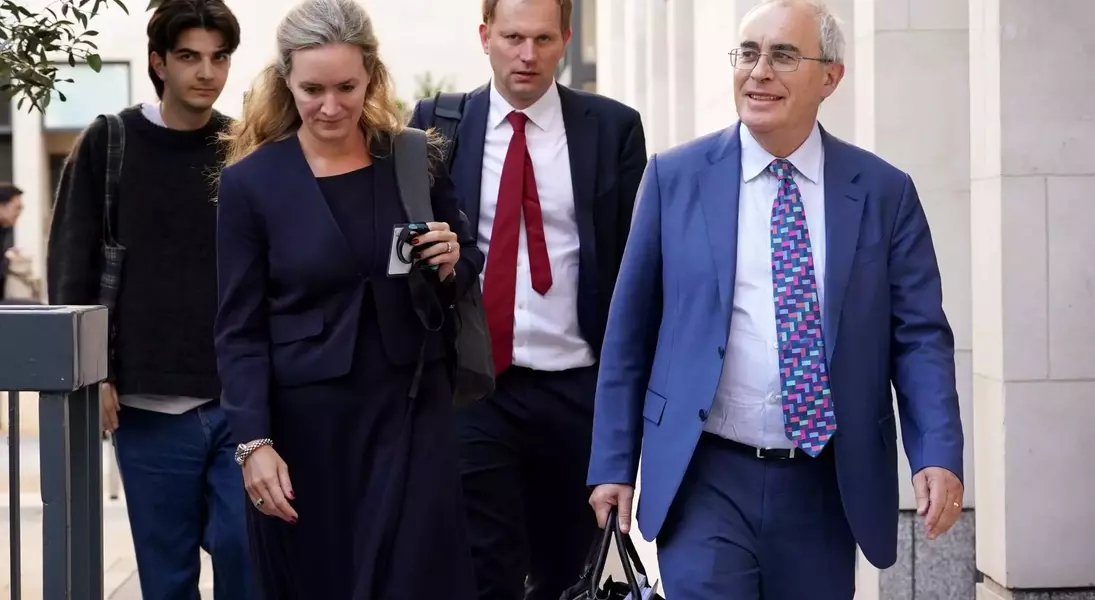

The English Premier League finds itself embroiled in yet another legal battle, this time between Everton and Burnley. At the heart of the matter are allegations of financial rule breaches and their impact on team standings and revenue. This contentious case, unfolding at the International Dispute Resolution Centre, could redefine how financial misconduct is addressed in professional football, setting a significant precedent for future disputes.
Unraveling the Financial Feud: Everton, Burnley, and the Future of Football Justice
The Latest Premier League Legal Showdown: Understanding the Core Conflict
Another week brings another legal confrontation for Premier League clubs. Following a recent verdict in a dispute involving Manchester City's Associated Party Transactions and an ongoing case concerning '115 charges' against City, legal teams representing Everton and Burnley are now meeting to address a four-year-old conflict. Burnley is pursuing compensation from Everton, alleging that the Merseyside club's violation of the Premier League's Profit and Sustainability Rules (PSR) contributed to Burnley's relegation from the top flight. The complexities of this case, which began with opening statements in London, hold potentially profound implications for the league.
Everton's Profit and Sustainability Breaches: A Recurring Saga
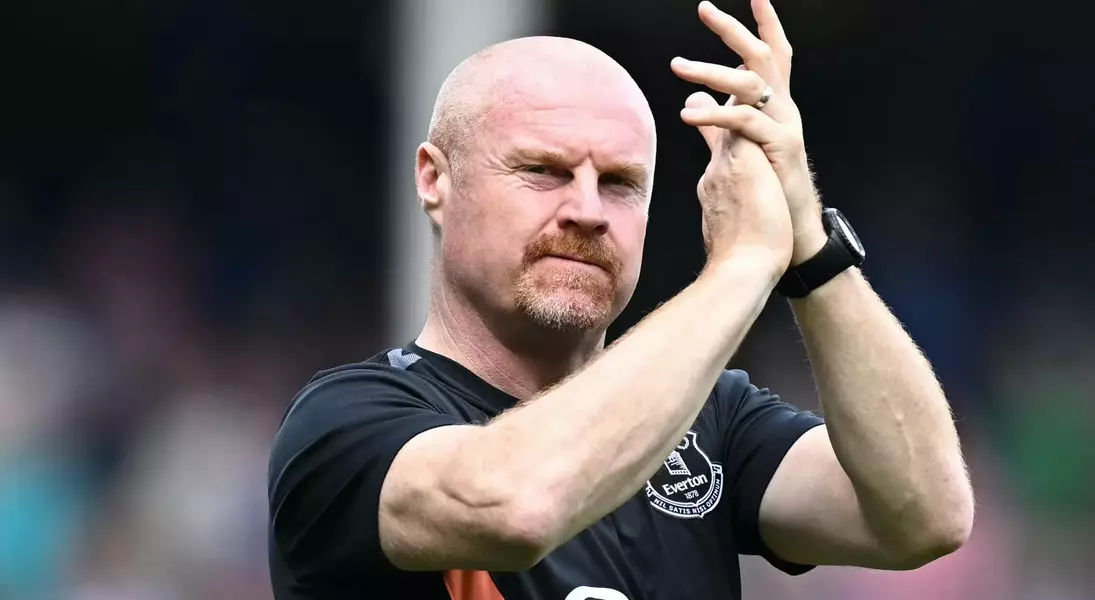
The crux of this case revolves around violations of the Profit and Sustainability Rules, a topic that has become all too familiar to Everton supporters. During the 2023-24 season, Everton faced two distinct points deductions, accumulating to a total of eight points, for breaches in the 2021-22 and 2022-23 campaigns. These penalties initially jeopardized Everton's Premier League status, though they ultimately avoided relegation under the guidance of manager Sean Dyche. Clubs are generally allowed to incur losses up to £105 million over a three-year period, with certain expenditures, such as those for community programs, academies, and women's teams, being deductible from PSR calculations. For the period in question, the two seasons affected by the Covid-19 pandemic (2019-20 and 2020-21) were combined and averaged, and clubs were permitted to attribute specific losses to the pandemic. The relevant breach in this dispute occurred during the 2021-22 season, when Everton finished four points ahead of the relegated Burnley. Initially, Everton vigorously contested the breach but later conceded to an overspend of £19.5 million. An independent commission subsequently determined that a sporting advantage had been gained as a result of the breach, necessitating a sporting penalty rather than a financial one. In November 2023, Everton was initially penalized with a 10-point deduction, an unprecedented sanction for such an offense. This was later reduced to six points upon appeal, with the appeal primarily focusing on the severity of the punishment.
The Scope of Disgruntled Parties: Beyond Burnley's Claim
Burnley was not alone in its grievances. Four other clubs—Leeds United, Leicester City, Southampton, and Nottingham Forest—had previously indicated their intent to pursue legal action if Everton's breach was confirmed. Leeds finished the 2021-22 season one point below Everton and was relegated the following season. Leicester and Southampton also faced relegation in subsequent seasons, with Everton maintaining its top-flight position. Forest, while not relegated alongside Everton, also considered legal action before facing its own PSR breach confirmation. Crucially, the independent commission's findings left open the possibility for clubs to seek damages, although no further comments were made on the merits of potential future claims. To date, Burnley is the only club to have advanced with such a claim.
Burnley's Case for Compensation: Lost Opportunities and Financial Impact
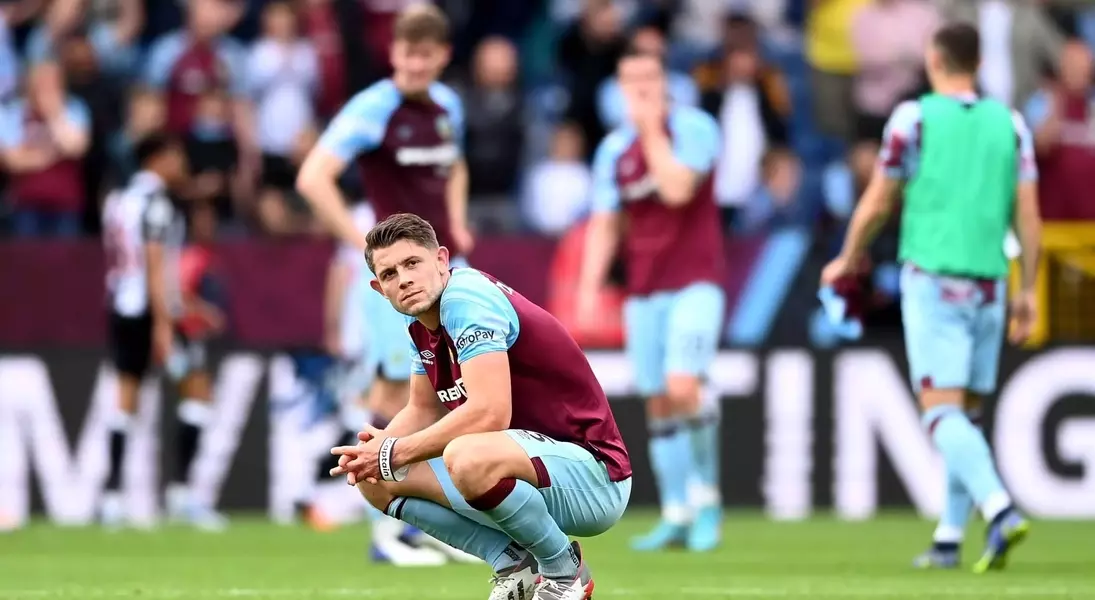
Burnley's central argument is that they would have avoided relegation if Everton's points deduction had been applied during the 2021-22 season, leading to significant lost Premier League revenue. Participation in the Premier League offers a highly lucrative television deal, and while parachute payments exist for relegated clubs, they do not fully compensate for the substantial income reduction. Burnley's financial records illustrate a sharp decline in television revenue from £104.9 million to £47.8 million between the 2021-22 and 2022-23 seasons. Absence from the top flight also impacted commercial opportunities, with Burnley experiencing a £3.1 million decrease in income. The club was compelled to drastically cut its wage bill, despite some high earners' contracts expiring, and this likely affected player transfers, with the club spending around £30 million while bringing in over £70 million. Burnley consistently believed Everton had violated PSR rules and advocated for a points deduction over a financial penalty. With Everton's six-point deduction confirmed in February 2024, Burnley could contend that, given their four-point deficit to Everton in 2021-22, Everton would have been in the relegation zone had the deduction been imposed during the season of the breach. To succeed, Burnley would likely need to establish a 'loss of a chance' claim. This legal principle allows for damages to be sought for a lost opportunity, meaning Burnley would not need to prove definite survival but rather the loss of the opportunity to remain in the Premier League. As senior associate Daniel Gore from Withers explains, Burnley will likely pursue a two-pronged approach: arguing both a competitive advantage gained by Everton and that a points sanction would have been applied for the PSR breach in the relevant season. He notes that while Everton's breaches were not directly linked to specific playing actions, the prior finding against Everton in the 2023-24 season provides a strong foundation for Burnley's case.
Everton's Defense Strategy: Addressing Causation and Timing
Everton has retained Mark Howard KC of Brick Court Chambers to lead their defense. The primary area of contention is expected to be causation. Burnley must first demonstrate that their relegation was a direct consequence of Everton's breach. A key challenge will be proving how reduced spending by Everton would have directly translated into improved performance for Burnley. It is also important to note that Everton's breach occurred effectively at the end of June 2022, weeks after the season concluded, and was only formally established later when Everton's PSR calculation for the 2021-22 cycle was finalized. Theoretically, Everton had approximately one month after the season's end to rectify their financial position, although they ultimately failed to avoid the breach.
Potential Compensation for Burnley: The Financial Stakes
The ultimate decision on compensation will rest with the independent commission overseeing the case. Burnley is reportedly seeking as much as £60 million for lost earnings, while Everton anticipates a different outcome. Such cases often conclude with out-of-court settlements, and it was widely expected that Everton and Burnley would reach a compromise. However, a compensation agreement has yet to be finalized.
Historical Precedents: Lessons from Past Football Disputes
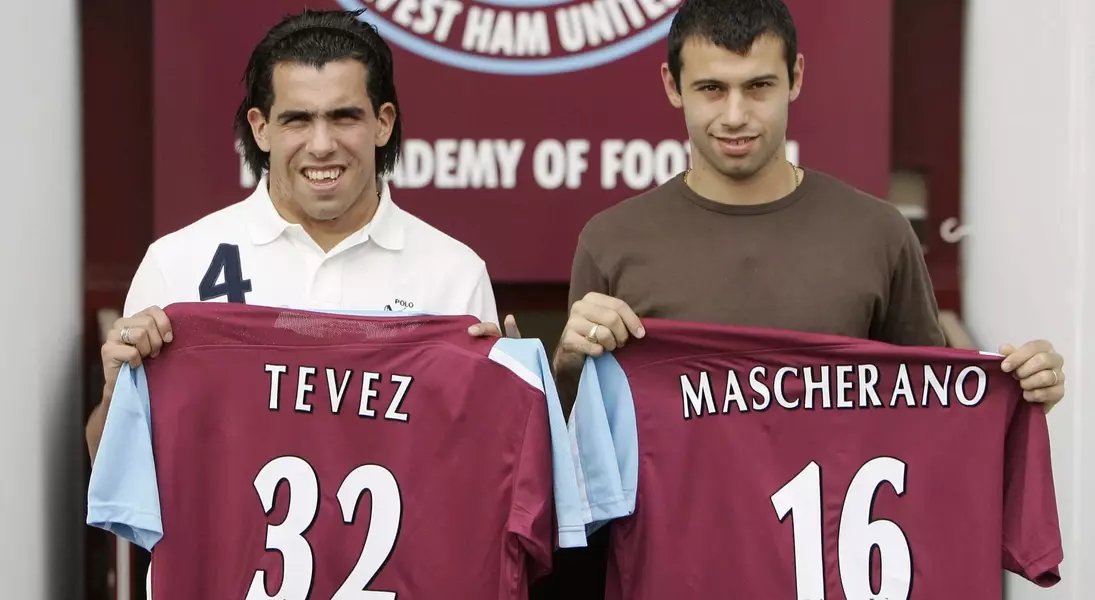
Similar cases offer valuable insights. A notable parallel can be drawn to the 2009 settlement between West Ham United and Sheffield United. Sheffield United initiated legal action after their relegation from the Premier League at the close of the 2006-07 season, as West Ham's survival was overshadowed by breaches of third-party ownership rules in signing Carlos Tevez. West Ham received a fine but no points deduction. After a two-year legal battle, Sheffield United ultimately reached an out-of-court settlement estimated at £20 million. More recently, Derby County faced legal challenges from Middlesbrough and Wycombe Wanderers. Both clubs argued that Derby's overspending provided an unfair competitive advantage. Middlesbrough missed out on the 2018-19 Championship play-offs, finishing a point behind Derby, and alleged "systematic cheating." Wycombe's case centered on the subsequent season, contending that Derby would have been relegated to League One in their stead had a points deduction been applied. Facing severe financial difficulties, Derby settled with both clubs before their cases proceeded, with Middlesbrough's accounts revealing a £2.7 million compensation figure.
The Broader Impact: Precedent for Manchester City's Case and Beyond
While the Premier League has faced prolonged and reputationally damaging cases, particularly with Manchester City, the Everton-Burnley dispute, though smaller in scale, could establish a crucial precedent. If Burnley successfully convinces the commission that Everton's PSR breach directly caused their relegation and subsequent financial losses, it could open the door for other clubs to pursue damages against City if any of their '115 charges' are proven. This remains a significant 'if,' as City vehemently denies wrongdoing and continues to contest the Premier League's allegations, aiming to clear their name. Nevertheless, rival clubs are closely observing the proceedings. Although a reallocation of honors in the event of City's financial rule breaches is highly improbable, clubs that suffered materially during the seasons in question—such as those that missed out on titles or Champions League qualification—could be encouraged to seek compensation if Burnley's claim succeeds. Lost revenues could theoretically be demonstrated by a multitude of aggrieved clubs, potentially leading to a prolonged series of legal battles for Manchester City should the charges be substantiated. Sports lawyer Liz Ellen, founder and CEO of Livida Sport, laments that the private nature of this arbitration will likely prevent public access to the arguments, which is a "real shame given the potential ramifications for other clubs." She emphasizes that with even larger financial and regulatory breach cases on the horizon, there is substantial potential for litigation by players, managers, and clubs seeking redress for losses stemming from clubs' failures to adhere to existing rules.
The Arbitration Process: Confidentiality and Timeline
The International Dispute Resolution Centre maintains strict confidentiality regarding all cases it handles. This was evident during Manchester City's lengthy case against the Premier League last year, which was not open to the public and was remarkably leak-proof. While that hearing spanned three months, the Everton-Burnley case is considerably less complex. It is expected to conclude in weeks rather than months, but there is no guarantee that the verdict will be publicly disclosed, as it pertains to a dispute between two clubs rather than the Premier League itself.
