
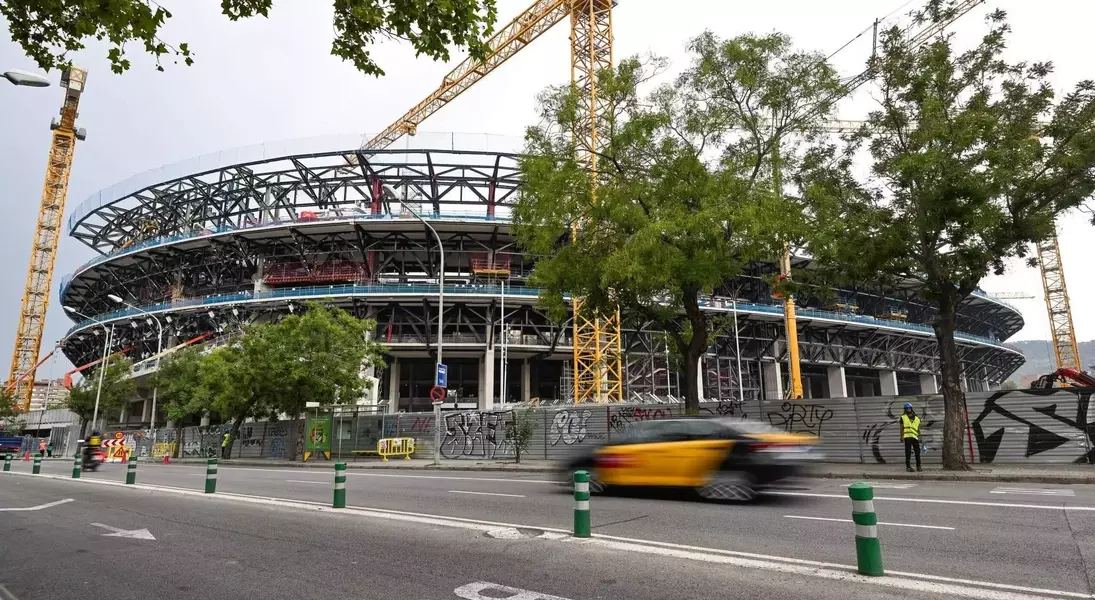
Barcelona's highly anticipated Champions League home games face an uncertain future, as the club struggles to finalize a venue amidst the protracted €1.5 billion renovation of its iconic Camp Nou stadium. With the season fast approaching, the team finds itself in a precarious position, needing to secure a suitable ground that meets UEFA standards while navigating logistical hurdles and missed deadlines. This situation underscores the broader challenges Barcelona currently faces, including financial pressures and a pattern of last-minute decision-making.
Barcelona's Venue Predicament for Upcoming Champions League Fixtures
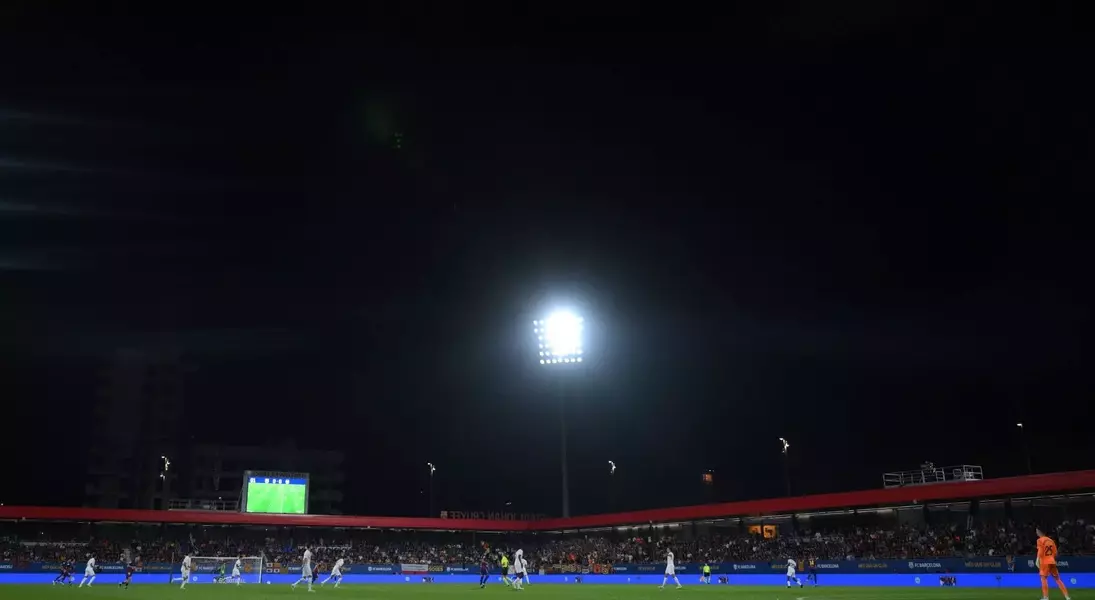
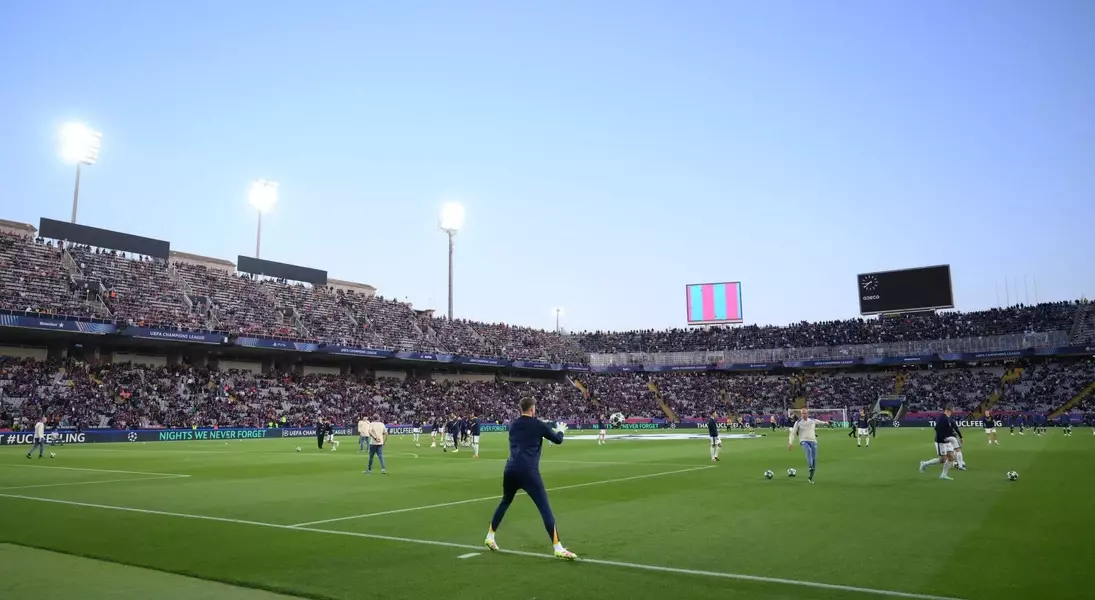
As the clock ticks down to major European fixtures, particularly the Champions League encounter against Paris Saint-Germain, Barcelona is in a race against time to determine its home ground. The club's ambitious €1.5 billion overhaul of the Camp Nou, initially slated for a partial reopening in November 2024, has encountered significant delays. This has left Barcelona with a trio of potential, yet problematic, alternatives: the intimate 6,000-seat Estadi Johan Cruyff, the 55,000-capacity Estadi Olimpic Lluis Companys on Montjuic, or a partially reconfigured Camp Nou, if regulatory approvals can be secured for its limited 27,000-seat capacity.
The Estadi Johan Cruyff, typically home to Barcelona's reserve and women's teams, has already hosted a recent La Liga match as an emergency measure. However, its small capacity and the need for UEFA inspection make it an unfavorable option for Champions League matches, particularly given the financial implications of severely limited ticket sales. The Estadi Olimpic Lluis Companys, which served as Barcelona's temporary home for the past two seasons, is a more viable option in terms of capacity. Yet, its availability has been complicated by external events, such as concerts, and the time required to prepare it for elite football. Furthermore, a local festival and fireworks display on September 28 could pose security challenges for a potential match against Real Sociedad at Montjuic, according to Barcelona sources, though city council officials refrained from commenting. The club's leadership, including vice-president Elena Fort, has acknowledged the Olympic Stadium as the most probable location for the PSG fixture.
Ultimately, Barcelona's primary goal remains a swift return to the Camp Nou, even if at a reduced capacity. The club has recently applied for the necessary permits from the Barcelona city council to allow for a partial reopening, a step that was notably absent prior to earlier home games. While a test event may not be mandated before a partial reopening, inspections by both La Liga and UEFA would still be required. The ongoing delays are not just an inconvenience; they carry substantial financial implications, as the club has already incurred significant revenue losses from not playing at its primary stadium. These setbacks highlight the ambitious nature of the construction timeline initially set with Turkish builders Limak, whose previous experience with sports venues was limited to a much smaller stadium. The project has been plagued by various obstacles, including permit issues, local resident complaints about noise and light pollution, concerns over workers' rights, supplier bankruptcies, and the global impact on material costs due to the conflict in Ukraine. Despite repeated assurances from club officials regarding reopening dates, these targets have consistently been missed, underscoring a broader pattern of reactive decision-making within the club's administration.
Navigating Uncertainty and Adapting to Change
This unfolding situation at Barcelona provides a compelling case study in crisis management and the ripple effects of ambitious projects. The repeated delays in the Camp Nou refurbishment highlight the complexities inherent in large-scale infrastructure development, particularly when intertwined with tight sporting schedules and high public expectations. For fans and stakeholders, the constant uncertainty surrounding match venues can be frustrating, impacting attendance, revenue, and team morale. From a broader perspective, it underscores the importance of realistic planning and transparent communication in major projects. While the club's determination to return to its home ground is understandable, the current predicament suggests that a more cautious and contingency-driven approach could have mitigated some of the present challenges. This situation serves as a reminder that even for global sporting giants, unforeseen circumstances and optimistic timelines can lead to significant operational disruptions and necessitate flexible, adaptive solutions.
