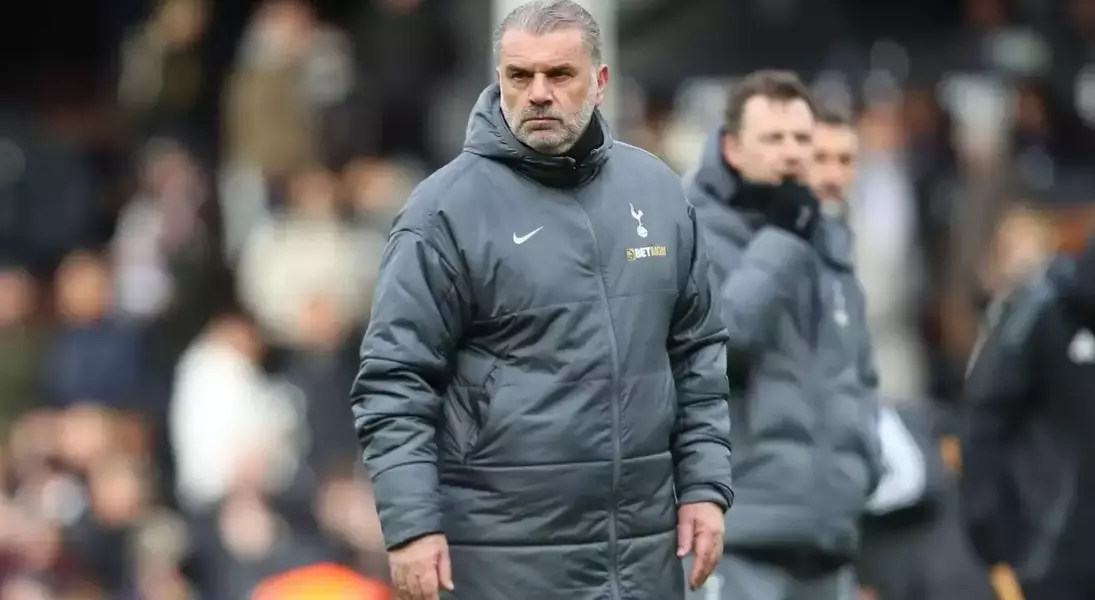
Nottingham Forest's recent decision to appoint Ange Postecoglou as their new head coach has ignited considerable discussion within football circles. This strategic move follows the swift departure of Nuno Espirito Santo and signals a significant shift in the club's tactical direction. Postecoglou, known for his aggressive, attacking philosophy, faces the immediate challenge of integrating his system with the existing squad. Former Liverpool player Steve Nicol has voiced concerns that Forest's players, accustomed to a more compact and organized defensive setup under Santo, may find themselves vulnerable under Postecoglou's high-line, high-press approach.
Despite Postecoglou's success in securing the Europa League with Tottenham Hotspur, his domestic performance there was less impressive, with the team finishing 17th. This track record, coupled with fan discontent over Nuno's exit, places immense pressure on the new manager to prove his worth. His first test, an away fixture against Arsenal, will be crucial in demonstrating his ability to adapt his methods to the strengths of his new team and calm the anxieties of a skeptical fanbase.
Tactical Transformation Under Postecoglou
Nottingham Forest's recent appointment of Ange Postecoglou marks a pivotal moment in the club's strategic trajectory, promising a radical shift from their established playing style. Postecoglou's football philosophy, characterized by an assertive, attacking, and high-pressing approach, stands in stark contrast to the defensive solidity and counter-attacking prowess that defined Nuno Espirito Santo's successful tenure. Under Santo, Forest cultivated a reputation for being defensively disciplined and effective on the break, a system that maximized the strengths of its players. The transition to Postecoglou's method, which demands defenders to maintain a high line and encourages intense pressing across the pitch, will undoubtedly test the adaptability and resilience of the squad. This dramatic change in tactics, particularly against a formidable opponent like Arsenal in his inaugural match, poses significant risks, as the team grapples with unfamiliar roles and responsibilities. The success of this tactical overhaul hinges on Postecoglou's ability to not only implement his vision but also to tailor it effectively to the unique attributes of the Nottingham Forest players, ensuring a smooth and effective transition.
The strategic divergence between Postecoglou and Santo's methodologies extends beyond mere formations to the very essence of player deployment and team cohesion. Santo's rigid system, while perhaps less aesthetically pleasing, was undeniably effective in leveraging the existing strengths of his squad, minimizing individual exposure by fostering a strong collective unit. In contrast, Postecoglou's system, while potentially unlocking greater attacking flair, inherently increases the individual accountability of each player, particularly in defensive phases. Former Liverpool full-back Steve Nicol's apprehension highlights this potential vulnerability, suggesting that under Postecoglou, Forest's players are "going to be exposed" due to the more expansive and less protective nature of the new system. Nicol's critique underscores the critical challenge Postecoglou faces: to instill a new footballing identity without compromising the defensive integrity that previously safeguarded the team. The immediate impact of this tactical pivot will be closely scrutinized, with the early performances providing a crucial indicator of whether Forest can successfully navigate this ambitious transformation and reconcile Postecoglou's expansive vision with the team's historical strengths and player profiles.
Managerial Transition and Fan Sentiment
The transition of managerial leadership at Nottingham Forest, with Ange Postecoglou replacing the popular Nuno Espirito Santo, has been met with a mix of anticipation and considerable apprehension from the fanbase. Nuno’s departure, despite his remarkable achievement of transforming Forest from relegation candidates into Europa League contenders within 18 months, underscores the complex dynamics often at play between club ownership and coaching staff. His strained relationship with owner Evangelos Marinakis and new director of football Edu Gaspar ultimately led to his exit, highlighting that success on the field does not always guarantee job security in the intricate world of football management. This decision, perceived by many supporters as premature and unwarranted, has left a segment of the fanbase feeling disillusioned and openly critical of the club's management. Postecoglou, stepping into this emotionally charged environment, not only inherits a squad facing a significant tactical shift but also the immediate task of winning over a skeptical and somewhat resentful fan base, a challenge amplified by his own mixed managerial record at Tottenham.
Postecoglou's previous stint at Tottenham Hotspur provides a nuanced backdrop to his current appointment at Forest. While he notably led Spurs to Europa League success—their first major trophy since 2008—his domestic campaign was less impressive, with the team finishing 17th in the Premier League. This disparity suggests a coach who can excel in specific competitions but might struggle with the grind of a full league season, particularly when juggling multiple priorities. The irony of Forest qualifying for the Europa League, a competition Postecoglou won, might have influenced Marinakis's decision, yet it does little to placate supporters who valued Nuno's consistent progress. Postecoglou now faces the dual pressure of proving his long-term viability and demonstrating his capacity to build on Nuno’s legacy rather than dismantle it. His immediate challenge is to foster trust and confidence among the players and supporters, navigating the initial turbulent period with strategic acumen and clear communication, especially as the team embarks on a demanding schedule that includes a challenging opening fixture against Arsenal. The unfolding narrative of Postecoglou's tenure at Forest will be closely watched, not just for tactical evolution, but also for its impact on club morale and fan engagement.
