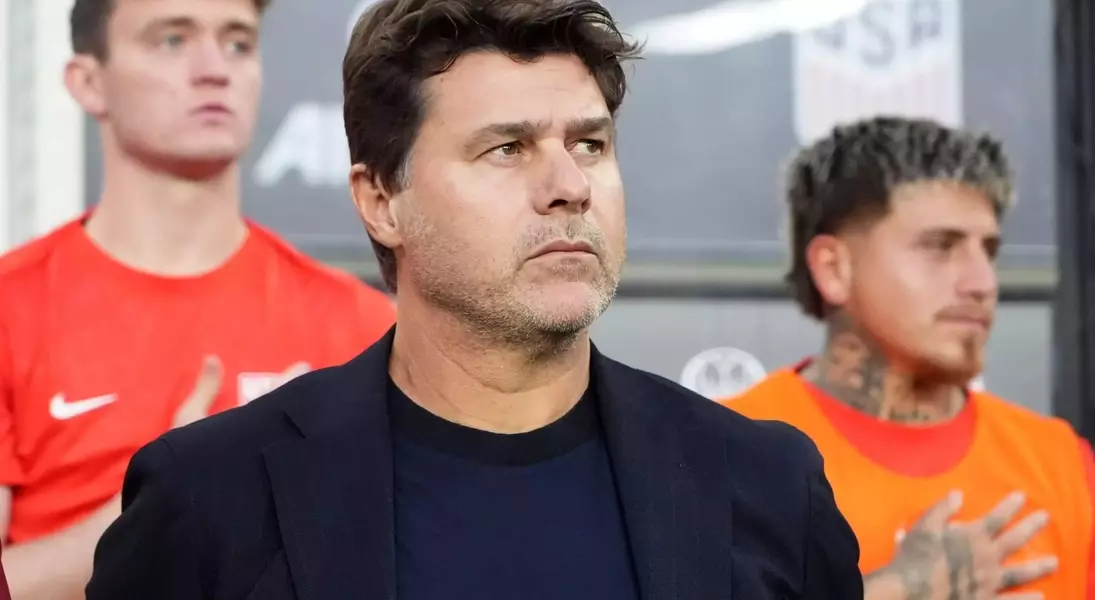
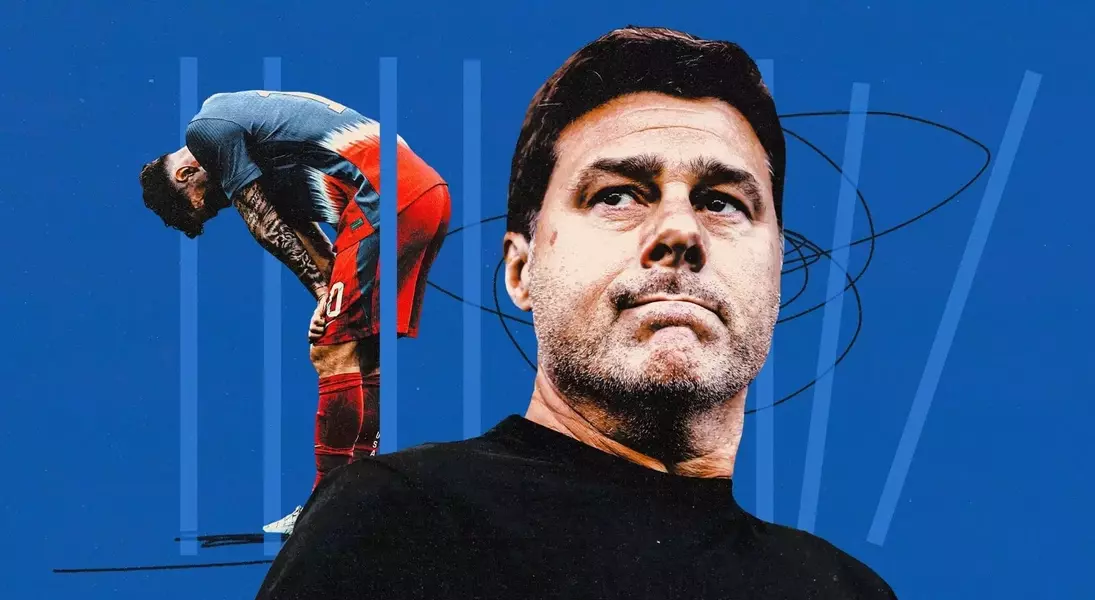
Mauricio Pochettino's inaugural year at the helm of the U.S. Men's National Team has been a journey defined by deliberate, albeit often challenging, transformations. From the moment he took charge, Pochettino articulated a vision centered on a methodical build-up towards the 2026 World Cup, steadfastly believing that ample time exists to shape a formidable squad. Despite facing public scrutiny over inconsistent results, including significant defeats in key competitions and friendly matches, the Argentine coach has remained committed to his overarching philosophy of process-driven development. His tenure has seen him make bold tactical decisions, challenge established player hierarchies, and delve deeper into the talent pool, all while asserting his strategic control. This unwavering focus on the long game, even in the face of immediate setbacks, underscores his determination to forge a cohesive and competitive team ready for the ultimate challenge on home soil.
A critical aspect of Pochettino's leadership has been his willingness to disrupt the status quo and inject fresh perspectives into the team. Following a series of disappointing outcomes, he initiated a comprehensive re-evaluation of the squad, emphasizing the need for a 'different process and approach.' This included actively promoting players from Major League Soccer, challenging the perception that European-based talent is inherently superior, and fostering a culture of intense competition within the team. Pochettino's assertive stance, even in direct exchanges with star players, highlights his intent to reshape the team's dynamics and eliminate complacency. While some of these changes have been met with skepticism due to the lack of immediate, resounding victories, Pochettino maintains that these strategic moves are essential for long-term growth and for cultivating a deeper, more resilient player pool capable of rising to the occasion when it truly matters.
Pochettino's Vision: Process Over Immediate Results
Mauricio Pochettino's first year as head coach of the U.S. Men's National Team has been characterized by a strong emphasis on strategic development and a long-term vision for the 2026 World Cup. When he initially took the job, Pochettino expressed confidence that there was sufficient time to prepare the team for peak performance, despite external pressures for immediate wins. His philosophy centers on identifying the right 'buttons to press' and trusting in a carefully considered process. However, this approach has faced scrutiny due to mixed results, including a four-game losing streak and defeats to rivals. Despite these setbacks, Pochettino has consistently urged patience, maintaining that results would eventually materialize. The recent 2-0 victory over Japan, though a friendly, offered a glimpse of the positive outcomes he believes his methodical approach will yield. Pochettino's commitment to the 'process' over immediate gratification reflects his belief that foundational work is paramount for sustainable success on the international stage.
Pochettino's coaching philosophy, initiated during his introductory press conference, emphasizes building a solid platform for the U.S. team to perform optimally. This involves instilling a sense of confidence and strategic direction within the squad, particularly after their early exit from the 2024 Copa América. Unlike his predecessor, Gregg Berhalter, Pochettino, with his extensive European club experience and high salary, was brought in to elevate the team's pedigree and ensure fan confidence in the team's development. Despite initial struggles, the players have largely embraced his methods, adapting to his instructions and game plans. Veteran players like Tim Ream have echoed the importance of trusting the coaching staff's vision, highlighting the need for adaptability and focus rather than dwelling on immediate win-loss records. This buy-in from the squad, even amidst poor results such as the 2-0 loss to South Korea, underscores a collective belief in Pochettino's long-term strategy for building a competitive team capable of excelling in the World Cup.
Reshaping the Roster and Building Depth
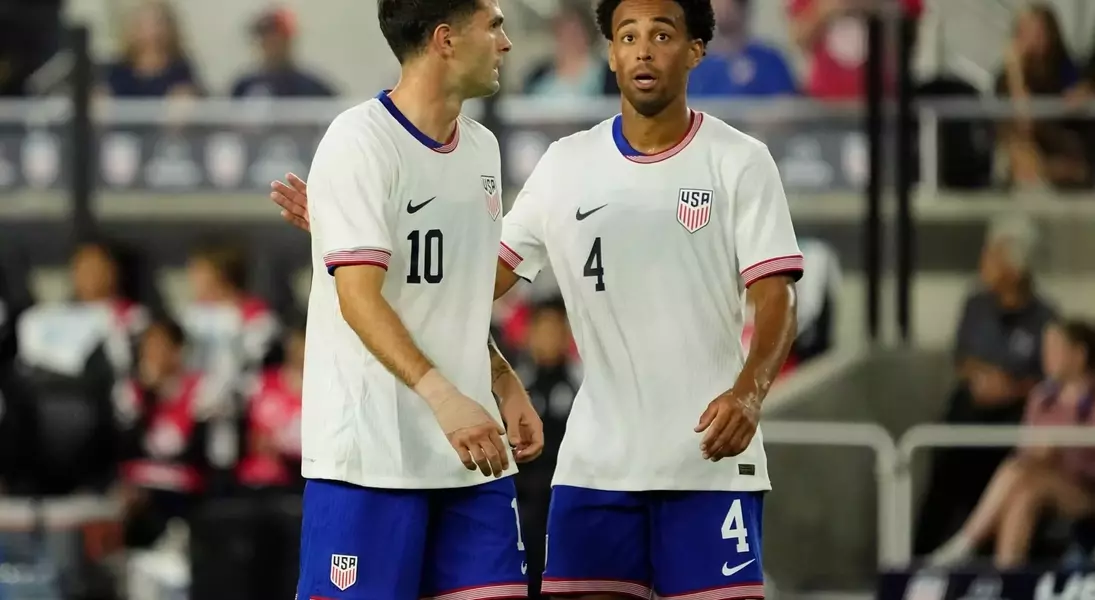
Pochettino's tenure has been marked by a deliberate and often surprising approach to squad selection, reflecting his commitment to reshaping the team's power dynamics and fostering increased competition. Following the disappointing March Nations League failures, he initiated a 'wake-up call' by challenging established regulars and exploring new talent pools, particularly within Major League Soccer (MLS). This shift, ironic given past criticisms of previous coaches favoring MLS players, signals Pochettino's belief in the domestic league's strength. His willingness to engage in public disagreements with star players, such as Christian Pulisic, further illustrates his intent to assert authority and eliminate complacency. These decisions, while sometimes leading to public questioning, are part of his broader strategy to create a more competitive environment, identify deeper talent, and ensure the team is resilient and adaptable. Pochettino remains confident that these efforts will pay off, with the October camp expected to provide a clearer picture of his full-strength squad.
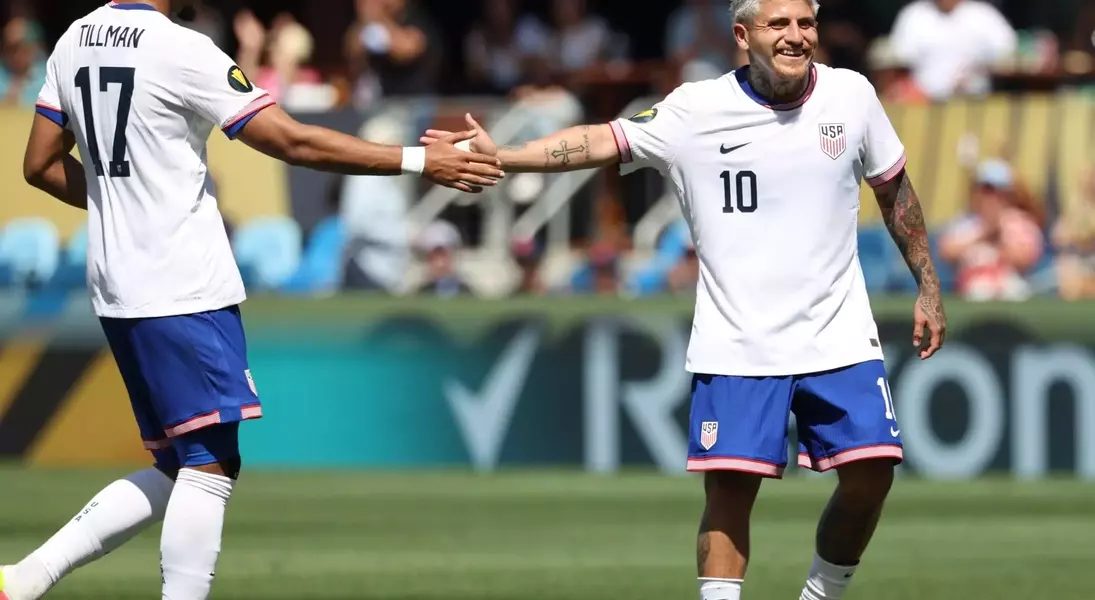
The complexities of squad management have been a significant challenge for Pochettino, with various factors influencing his roster decisions, including Club World Cup commitments and player injuries. Key players like Weston McKennie, Tim Weah, and Gio Reyna were unavailable for the Gold Cup, while others missed September friendlies due to fitness concerns. Pochettino has strategically used these absences as opportunities to test new players and evaluate depth, prioritizing long-term squad resilience over short-term results. He views the integration of new faces and the rotation of the squad as essential steps in building a reliable talent pool for the World Cup, even if it means benching established names like Malik Tillman in favor of assessing other prospects. This systematic approach, despite some fan skepticism, is seen by Pochettino as a necessary 'process' to ensure that the U.S. team has a diverse and capable roster to draw upon when the stakes are highest. The upcoming October camp is anticipated to be crucial in further clarifying Pochettino's preferred lineup and evaluating the chemistry among different player combinations.
