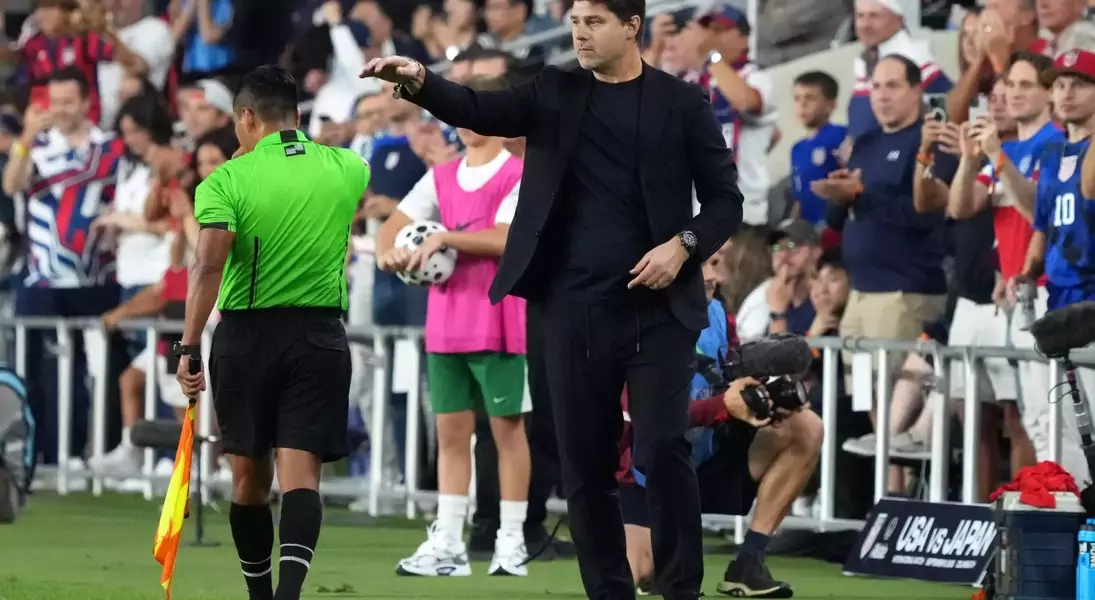
Mauricio Pochettino's arrival as the head coach of the U.S. men's national team was heralded as a pivotal moment, with expectations that his vast club experience would elevate the squad. His primary mandate was not merely to secure victories in regional competitions or friendly matches—areas where his predecessor, Gregg Berhalter, had already demonstrated proficiency—but to cultivate a system capable of propelling the USMNT to a deep run in the 2026 World Cup. After a year in charge, a significant turning point emerged, hinting at a potential strategic breakthrough for the team's future.
Pochettino's Strategic Evolution: A New Formation Takes Center Stage
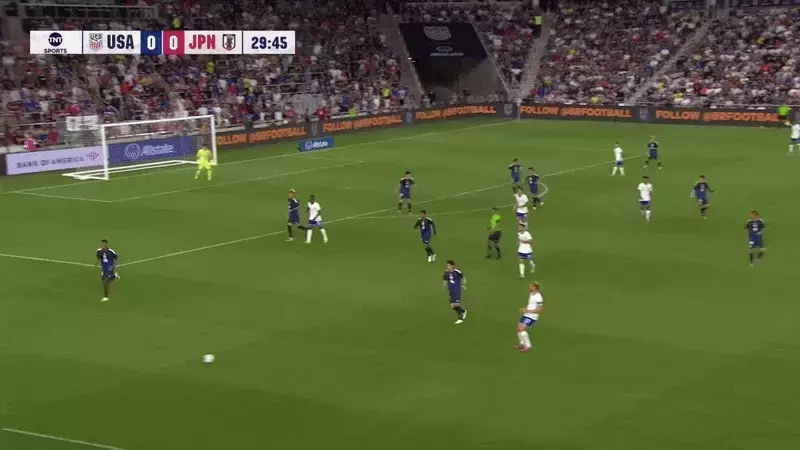
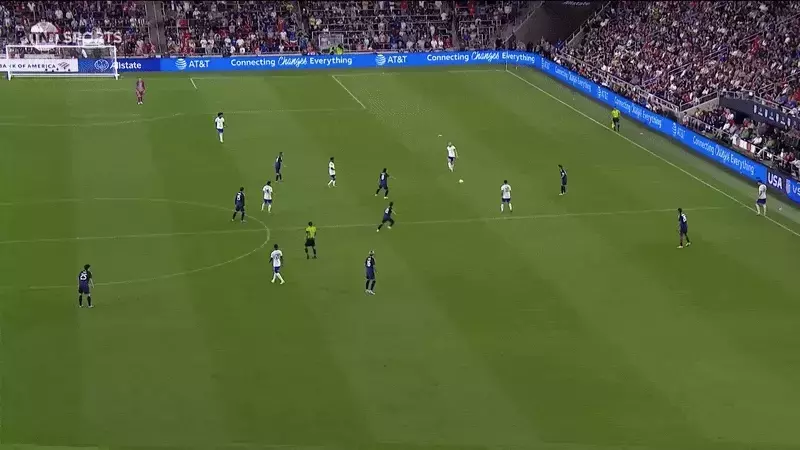
In a recent friendly match against Japan, the U.S. men's national team, under the astute leadership of coach Mauricio Pochettino, unveiled a significant tactical innovation. Departing from his customary 4-2-3-1 setup, which had been the team's standard for all 11 prior matches in 2025, Pochettino deployed a 3-4-2-1 formation. This strategic adjustment involved adding a third central defender and repositioning a player from the attacking midfield, fostering a more assertive and direct approach in transitions.
Pochettino expressed his satisfaction with the team's adaptability, noting that many players were accustomed to similar systems at their club level. He highlighted the importance of having diverse tactical blueprints to approach different games effectively. Despite the victory coming against a rotated Japanese side that had already secured World Cup qualification, the USMNT's performance was notably more engaging and fluid than what fans had witnessed in previous outings, suggesting a replicable success with this new structure.
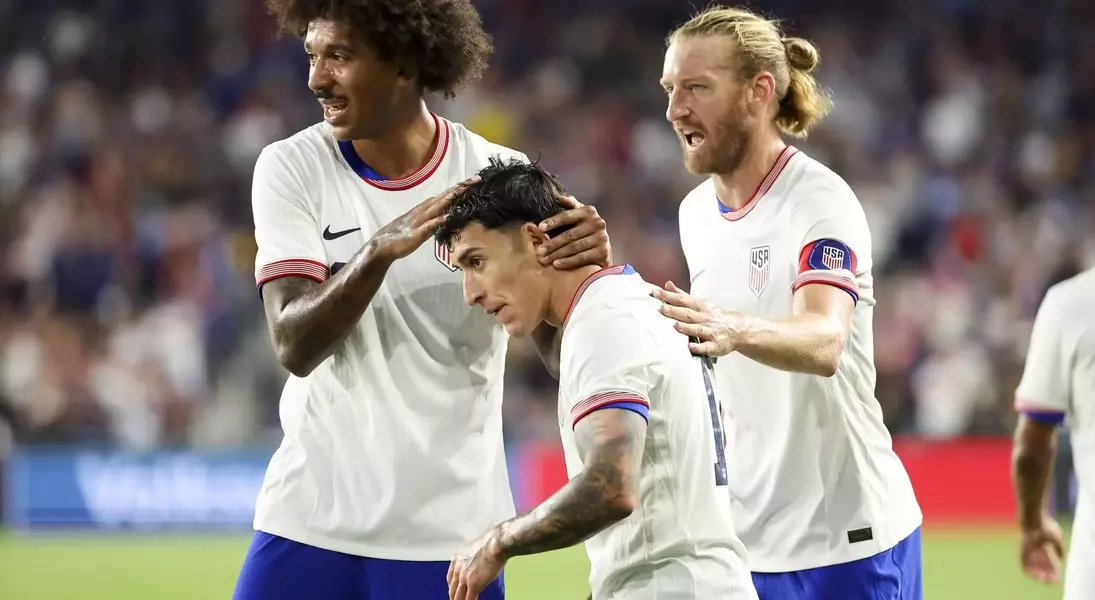
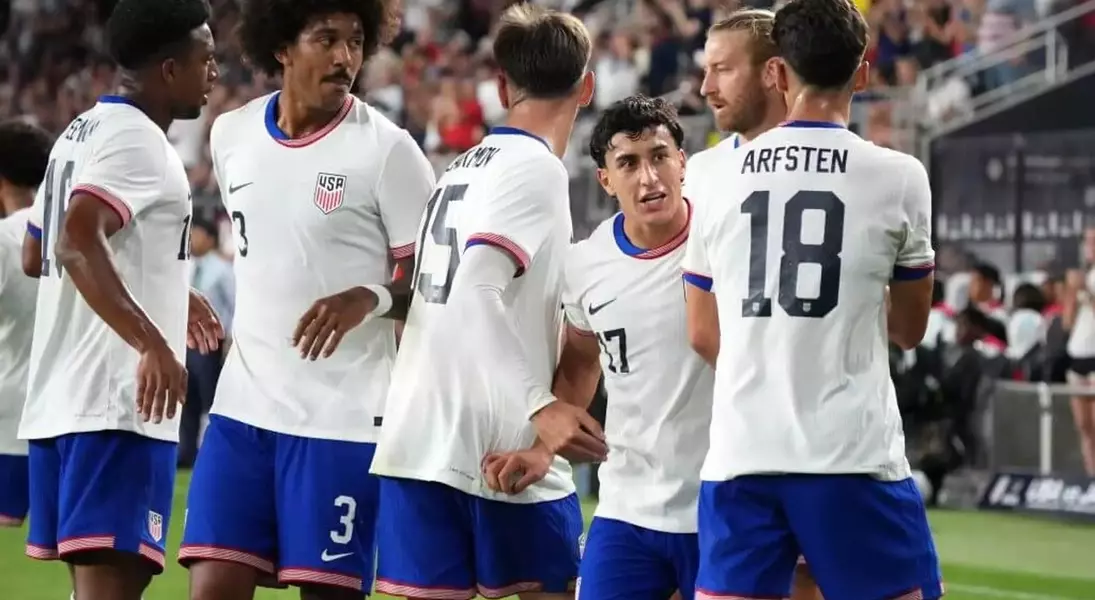
A key observation from this new formation was the enhanced performance of wing-backs like Max Arfsten and Alex Freeman. Arfsten, whose club role with the Columbus Crew aligns with an attacking wing-back position, thrived in this system, as it mitigated his defensive vulnerabilities while maximizing his offensive contributions. Similarly, Freeman, despite playing a more defensive role at the club level, demonstrated the mobility and positional awareness required for an advanced wing-back role, proving instrumental in pinning back the Japanese defense.
This tactical shift also provided a more natural fit for the team's star attackers, including Christian Pulisic, Tim Weah, and Alex Zendejas. Moving from traditional wing positions to more central attacking roles beneath the striker allowed them to leverage their goal-scoring instincts more effectively, reducing the need for them to create chances from wide areas. This adaptability extends to other promising talents like Malik Tillman, Diego Luna, and Gio Reyna, who can comfortably operate in these half-spaces.
The successful implementation of the 3-4-2-1 formation, particularly its ability to harness the strengths of key players and address previous tactical deficiencies, signals a significant step forward for the USMNT. It suggests that Pochettino is not only experimenting but actively refining his approach to build a cohesive and formidable squad for the upcoming World Cup. This newfound flexibility in formation could be the decisive factor in navigating the demanding challenges of international competition.
Reflections on the Road Ahead: Unlocking USMNT's Potential
The recent tactical shift by the USMNT under Pochettino offers a compelling glimpse into the team's potential for growth and evolution. It underscores the importance of strategic flexibility and the willingness to adapt to player strengths and weaknesses. The success of the 3-4-2-1 formation suggests a pathway for the USMNT to not only compete but to genuinely challenge at the highest levels of international football. As fans, this evolution provides renewed hope and excitement for the team's prospects on the global stage.
