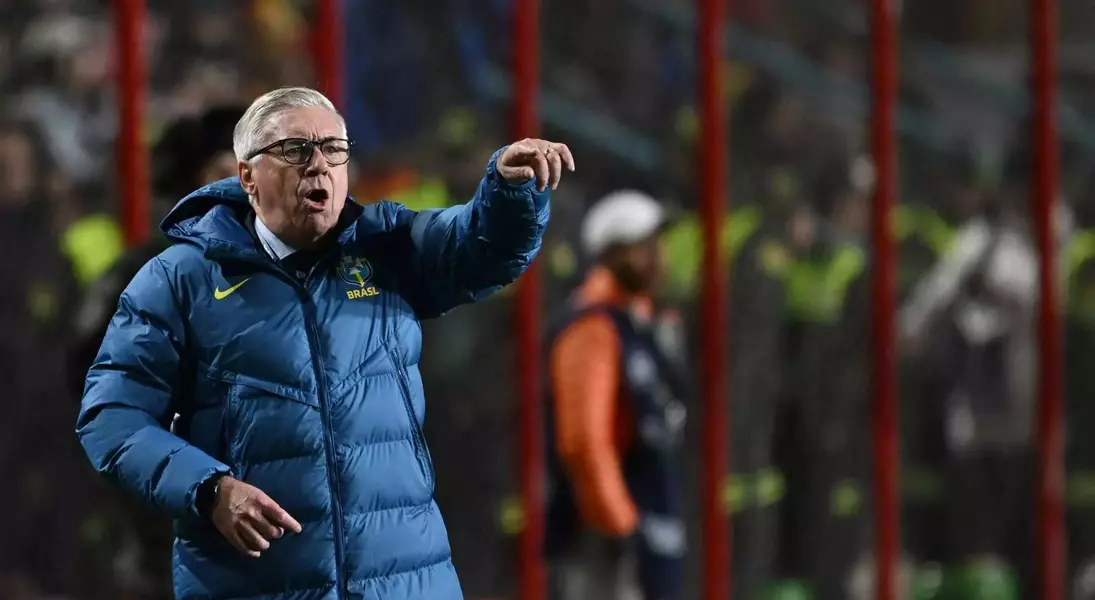
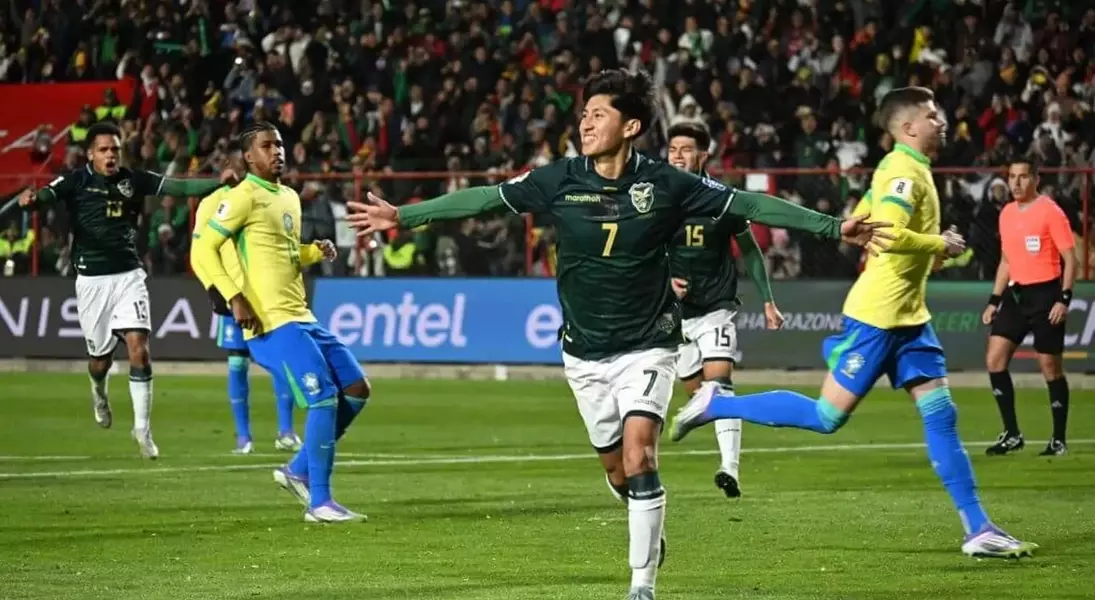
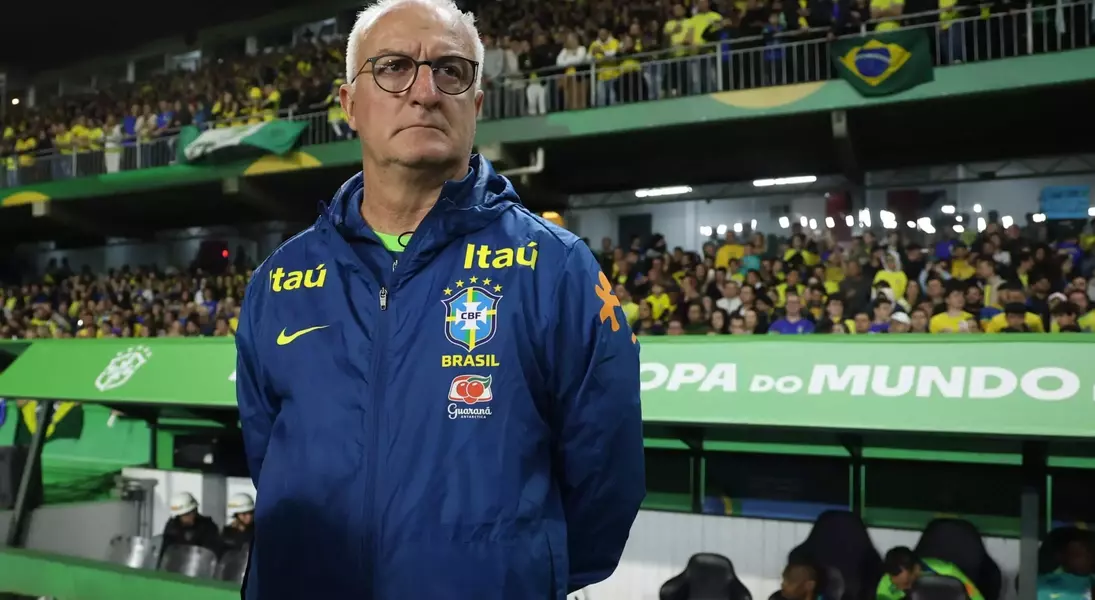
Brazil's recent World Cup qualifying journey has plunged to unprecedented depths, eclipsing the difficulties experienced leading up to the 2002 tournament. The team's underwhelming display, culminating in a 1-0 loss to Bolivia, has ignited widespread concern. While FIFA's expansion of the World Cup to 48 teams has provided a lifeline, allowing Brazil to avoid an intercontinental playoff, the underlying issues plaguing the squad remain. Carlo Ancelotti, the newly appointed coach, faces a monumental task: to rapidly transform the team's fortunes and restore its former glory, all while navigating a tight preparation schedule and a demanding series of upcoming matches. The path to the World Cup is fraught with challenges, requiring strategic leadership and a swift turnaround in performance.
The current state of Brazilian football is a stark reflection of a turbulent period marked by coaching instability and inconsistent player selections. The federation's indecisive leadership has squandered crucial preparation time, leaving Ancelotti with a limited window to implement his vision. Despite a wealth of individual talent, the team lacks a cohesive identity and tactical discipline. The upcoming months will be critical for Ancelotti to assess his options, integrate new players, and forge a unified squad capable of competing at the highest level. The pressure is immense, but the opportunity to rebuild and redefine Brazil's footballing legacy is equally significant.
A Troubled Path: Brazil's Lowest Qualifying Performance
Brazil's qualifying campaign for the 2026 World Cup has been nothing short of a disaster, setting a new benchmark for poor performance, even surpassing the turbulent 2002 qualifiers. The team suffered an unprecedented six defeats against five different opponents, including their first-ever home qualifying loss. Their shocking capitulation against Argentina in Buenos Aires further highlighted their struggles. Finishing fifth in the 10-team group with a mere 28 points from 18 matches, Brazil recorded its lowest-ever points total under the current qualifying format. This abysmal showing has left fans and pundits questioning the team's readiness for the global stage and the direction of Brazilian football.
The expansion of the World Cup to 48 teams by FIFA proved to be Brazil's saving grace, increasing the number of automatic South American qualification spots from four to six. Had the previous system been in place, Brazil would have been forced into an intercontinental playoff, facing an existential crisis. While the defeat to Bolivia in El Alto, a high-altitude venue where Bolivia traditionally excels, might seem like a minor concern in isolation, it underscores the broader issues at play. Ancelotti, acknowledging the unique circumstances of the match, appears to be focusing on the bigger picture, recognizing the urgent need to address the systemic problems within the squad rather than dwelling on individual results in challenging conditions. The team's overall lack of consistency and resilience throughout the campaign suggests a deep-seated malaise that requires immediate and comprehensive attention.
Ancelotti's Uphill Battle: Rebuilding Confidence and Identity
Carlo Ancelotti has just begun his tenure as Brazil's coach, with only four matches under his belt, leaving him with minimal time to truly understand the team's dynamics. His initial games, including a goalless draw with Ecuador and a narrow 1-0 victory against Paraguay, offered little insight into his long-term strategy, given their proximity to his appointment. While a more encouraging 3-0 win against a weak Chile side provided a glimmer of hope, the subsequent loss to Bolivia, described as more of an 'altitude camp' than a proper football match, further obscured any clear patterns. Ancelotti himself admits he's still finding his footing, making it premature to judge his impact or expect a fully cohesive team reflective of his tactical philosophy. The challenging circumstances of his appointment, inheriting a team plagued by years of indecision and a lack of clear direction from the Brazilian federation, highlight the significant obstacles he faces in shaping the squad in his image.
The calendar presents another major hurdle for Ancelotti, as Brazil will not play any competitive matches before the World Cup opener. Their limited pre-tournament schedule includes friendlies against South Korea and Japan in October, followed by two African teams in November. Crucially, they will not face any top European sides until March, which is a significant disadvantage given that European teams have eliminated Brazil from the last five World Cups. This scheduling constraint further intensifies the challenge of integrating new players and refining tactics. On the field, long-standing weaknesses persist, particularly in the full-back positions and a midfield that struggles against stronger opposition. Despite the return of experienced players like Casemiro, concerns remain about their current form and ability to perform at the highest level. However, there are reasons for optimism, with a new wave of talented strikers emerging and numerous options in supporting roles. Ancelotti's primary task now is not just tactical, but also psychological: to instill belief and boost the confidence of a team whose national pride has been eroded by years of underperformance. His public statements, such as the remark about Brazil having "70 players that could go to the World Cup," are a strategic effort to foster a positive mindset and demonstrate unwavering faith in the team's potential, despite the harsh realities of their recent qualifying campaign. Ultimately, Ancelotti's success will hinge on his ability to transform a talented but disjointed group into a unified, confident force ready to contend for the World Cup.
