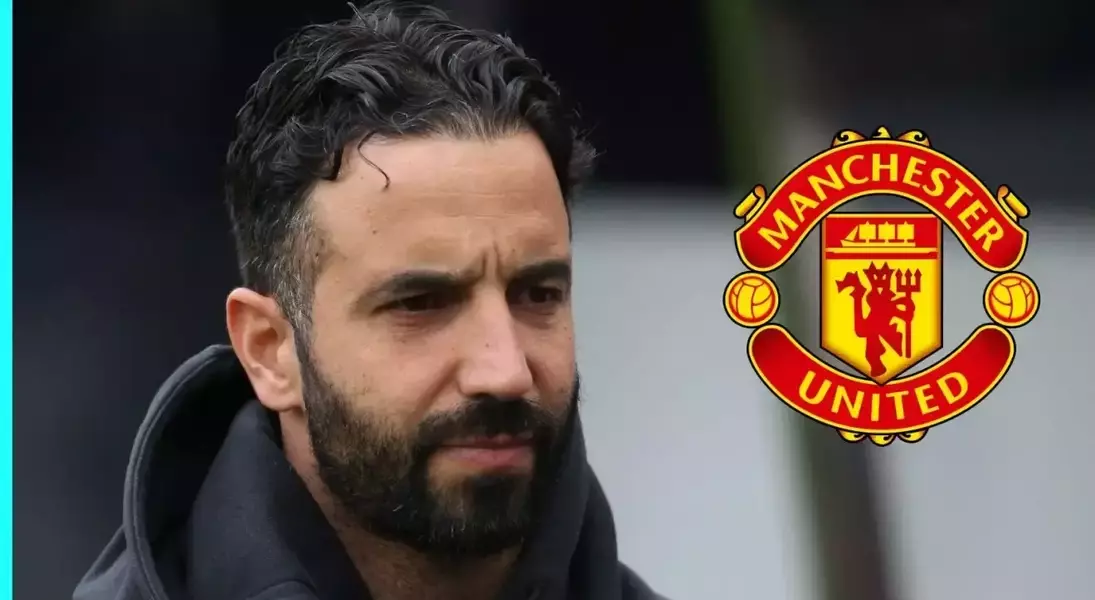
A palpable sense of discontent is reportedly brewing within the Manchester United squad regarding manager Ruben Amorim's leadership, echoing earlier anxieties articulated by former player Roy Keane. Despite a substantial investment in new talent during the summer transfer window, Amorim's steadfast adherence to his 3-4-3 tactical system has not yielded the desired improvements, leading to a precarious start to the current football season. This mounting pressure and internal dissent are now fueling speculation about the manager's future at Old Trafford.
Ruben Amorim inherited a challenging situation at Manchester United approximately ten months ago, stepping into the role vacated by Erik ten Hag. He himself acknowledged the difficulty of taking over mid-season, suggesting he would have preferred a summer appointment to oversee a more comprehensive squad restructuring. This timing initially garnered him some leeway when the team experienced a significant decline last season, finishing a disappointing 15th in the Premier League without securing any trophies. However, the lack of discernible progress in team performance, combined with a string of poor results this season, has eroded that initial understanding.
The alarm bells truly began to ring due to the uninspiring nature of United's performances under Amorim. There was a clear absence of tactical evolution or a significant upturn in results. Consequently, the onus was on Amorim to deliver a strong start to the current campaign to reassure fans and management alike. Unfortunately, this strong start has not materialized, with the team managing only one victory in their opening five matches. This poor run has placed Amorim as the second favorite to be the next Premier League manager to face the sack, a stark indicator of the precariousness of his position.
In his 47 games across all competitions for Manchester United, Amorim's record stands at 17 wins, 12 draws, and 18 defeats. Despite his attempts to highlight positive aspects of his 3-4-3 formation, the overwhelming sentiment is that the system is ineffective. Even after the arrival of new players like Benjamin Sesko, Bryan Mbeumo, Matheus Cunha, and Senne Lammens, totaling a staggering £230 million investment, the tactical approach remains as unconvincing as last season. There's little evidence to suggest that this strategy is enhancing the individual performances of the players.
The team's recent 3-0 defeat against Manchester City at the Etihad stadium served as a stark public demonstration of United's struggles. Following this match, Roy Keane vocalized his "worry" regarding the squad's receptiveness to Amorim's 3-4-3 system. Keane speculated that players might be losing faith in the manager's tactical vision, especially as poor results persist against stronger opponents. He questioned whether the team was truly unified behind Amorim's methods, particularly when observing the defensive lapses leading to goals.
Further corroborating Keane's concerns, a report from journalist Fraser Fletcher at TEAMtalk has surfaced, detailing significant "player frustrations" within the Manchester United camp. While players reportedly appreciate Amorim's passion and charisma, exemplified by an incident where he broke a monitor after a loss, there's growing unrest over his reluctance to adjust tactics during matches. Sources indicate that players find his in-game inflexibility frustrating, especially given the relentless pace and demands of the Premier League. The emergence of such internal leaks often signals that a manager's time at a club is drawing to a close, and it appears Amorim is nearing this critical juncture in his tenure at Old Trafford. His refusal to adapt his tactical approach is increasingly seen as a fundamental flaw that could lead to his eventual dismissal, placing him among the long list of managers who have struggled to succeed at Manchester United in the post-Sir Alex Ferguson era.
