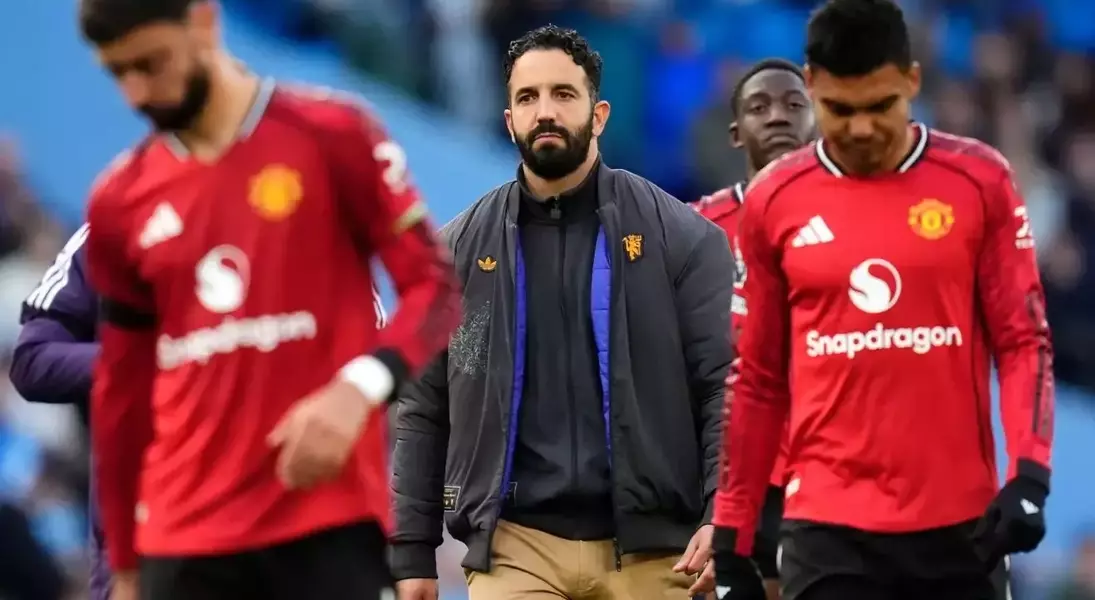
The recent performance of Manchester United has once again thrust the club and its manager, Ruben Amorim, into the relentless glare of media scrutiny. Following a significant defeat, numerous reports have surfaced, speculating on Amorim's future, often employing dramatic language like 'sack decisions' and 'ultimatums.' This article aims to dissect the current narrative, contrasting the sensationalist headlines with the underlying reality of the club's stance. While the team's struggles are undeniable, a closer look reveals a consistent message of support from the club's leadership, suggesting a gap between media portrayal and internal operations. The ongoing debate highlights the powerful influence of football journalism and the impact of its chosen rhetoric on public perception.
In the aftermath of Manchester United's recent loss, particularly a derby defeat, the media landscape erupted with discussions concerning manager Ruben Amorim's position. Publications like The Sun aggressively claimed that Amorim was 'statistically the WORST boss in Premier League' based on the club's performance over 31 games since his appointment. However, this assertion fails to consider the broader context of managerial performance across all Premier League teams, including those recently promoted or new to their roles. Such blanket statements overlook the comparative records of other managers, some of whom have accumulated fewer points over similar periods, indicating a selective interpretation of statistics to fit a pre-determined narrative of crisis.
Furthermore, the notion of Manchester United making immediate 'sack decisions' or Amorim issuing 'ultimatums' is repeatedly challenged within the football community. Stories from outlets like SPORTbible, claiming United 'Made Decision' on sacking Amorim, often cite themselves as the sole source, suggesting a lack of independent verification. Club insiders and more reputable news sources, such as the Manchester Evening News, have consistently reported that Ruben Amorim retains the full backing of the club's hierarchy. This ongoing support implies that the club's leadership is committed to their manager, and any talk of instant dismissal after every match is purely speculative and sensationalist, designed to generate clicks rather than reflect the true situation.
The media's use of powerful terms such as 'ultimatum' is particularly contentious. An ultimatum, by definition, is a final demand with severe consequences for rejection. Yet, some reports attributed an 'ultimatum' to Amorim based on comments he made years ago about assessing his success within two years. Such interpretations twist a self-imposed target or deadline into a dramatic declaration of terms, completely misrepresenting the original sentiment. This linguistic manipulation serves to heighten the perceived drama surrounding the club, fostering an atmosphere of instability that may not genuinely exist within the club's strategic planning or internal communications.
The consistent narrative in various media outlets, ranging from 'sack verdicts' delivered by pundits to 'ultimatums' fabricated from old quotes, underlines a troubling trend in football journalism. Many reports appear to prioritize sensationalism over factual reporting, often drawing conclusions from external opinions rather than verified club statements or actions. This creates a cycle where poor performance is immediately met with exaggerated claims of managerial instability, overlooking the complexities of football management and club strategy. The discrepancy between media headlines and the reality of Manchester United's internal support for Ruben Amorim highlights the need for a more discerning approach to sports news consumption.
