

Nottingham Forest Football Club is embarking on a dramatic tactical transformation following the appointment of Ange Postecoglou as manager, succeeding Nuno Espirito Santo. This change represents a stark divergence in footballing philosophies, with Postecoglou advocating an aggressive, offensive style, while Nuno favored a more cautious, defensively-oriented approach. The shift poses significant questions regarding player adaptation, particularly concerning the increased physical demands and the implementation of a high-pressing system. The club's owner, Evangelos Marinakis, appears keen on accelerating this tactical evolution, bypassing a gradual integration often seen in promoted teams. This article delves into the potential impacts of Postecoglou's intense methods on Forest's squad dynamics, player roles, and overall performance, analyzing how existing strengths might be utilized and what challenges lie ahead.
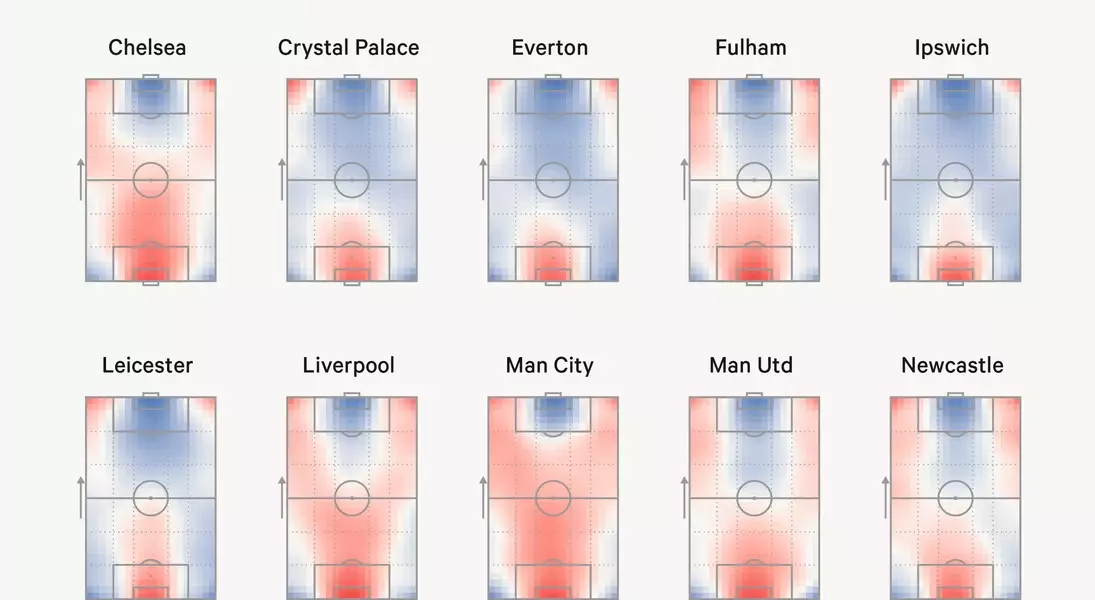
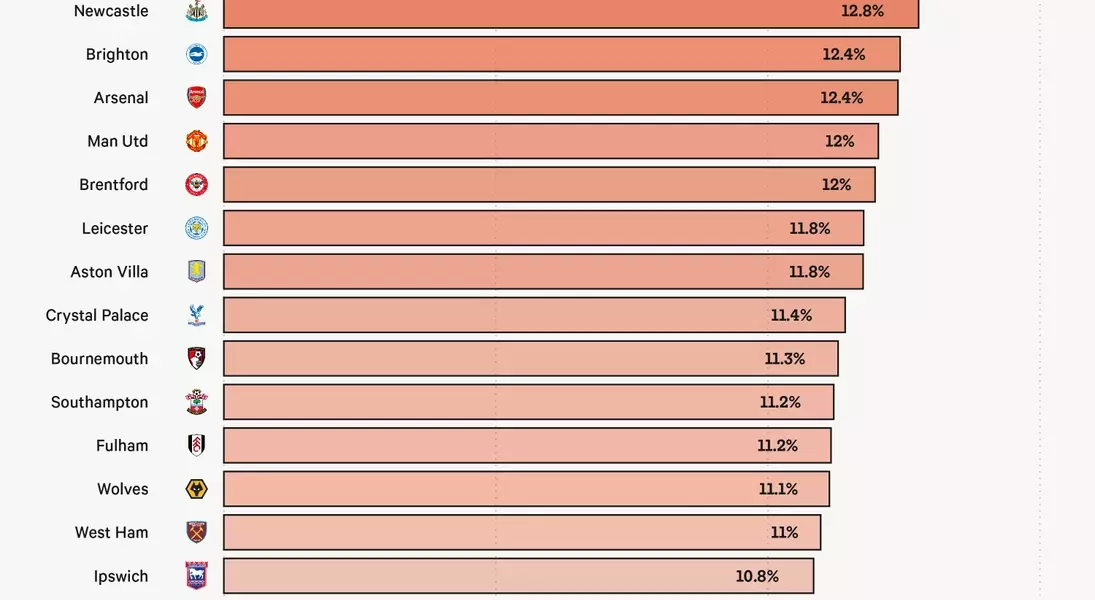
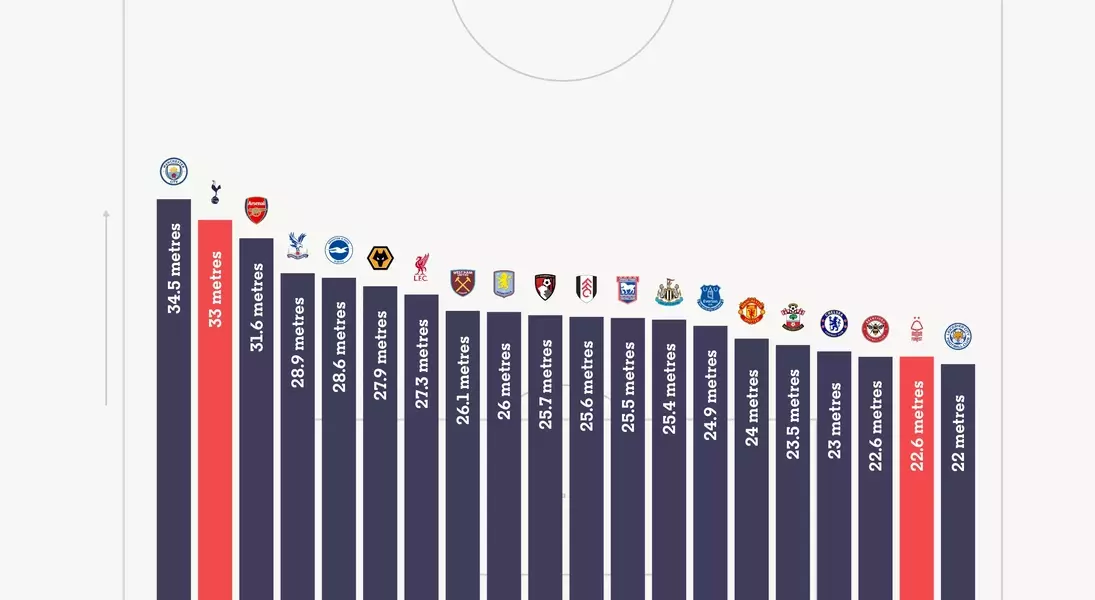
The contrast between the two managers' philosophies is striking. Nuno Espirito Santo's tactical approach was epitomized by his statement, \"The clean sheet is always the first objective that we have in the game,\" reflecting a pragmatic focus on defensive solidity and grinding out narrow victories. Indeed, Forest achieved a league-high seven 1-0 wins last season under Nuno, highlighting their ability to absorb pressure and capitalize on minimal scoring opportunities. This style often involved a deep defensive block, with the team content to cede possession and territory, as indicated by data showing Forest ranking low in pressing intensity.
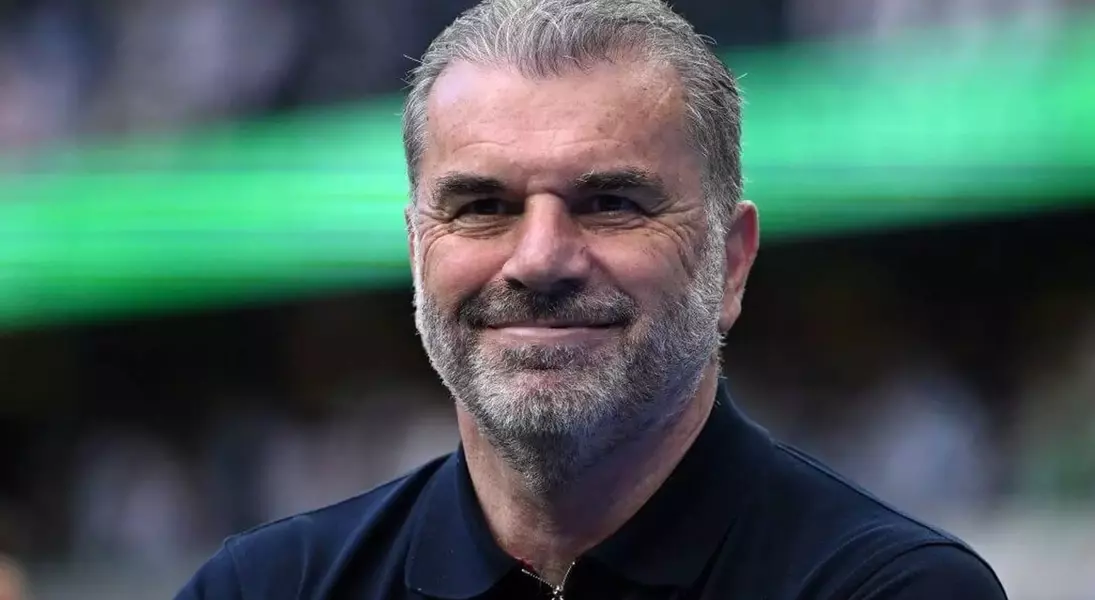
Conversely, Ange Postecoglou's footballing creed is captured by his assertion, \"We’re not going to try and grind out 1-0 victories.\" His tenure at Tottenham demonstrated an unwavering commitment to high-octane, attacking football, characterized by relentless pressing and a high defensive line. Tottenham's players consistently recorded high sprinting numbers, a stark contrast to Forest's lower ranking in the Premier League for off-ball intensity. The immediate impact on Forest's squad is already evident, with midfielder Ryan Yates describing Postecoglou's initial training sessions as \"tough and intense,\" signaling a significant increase in physical exertion.
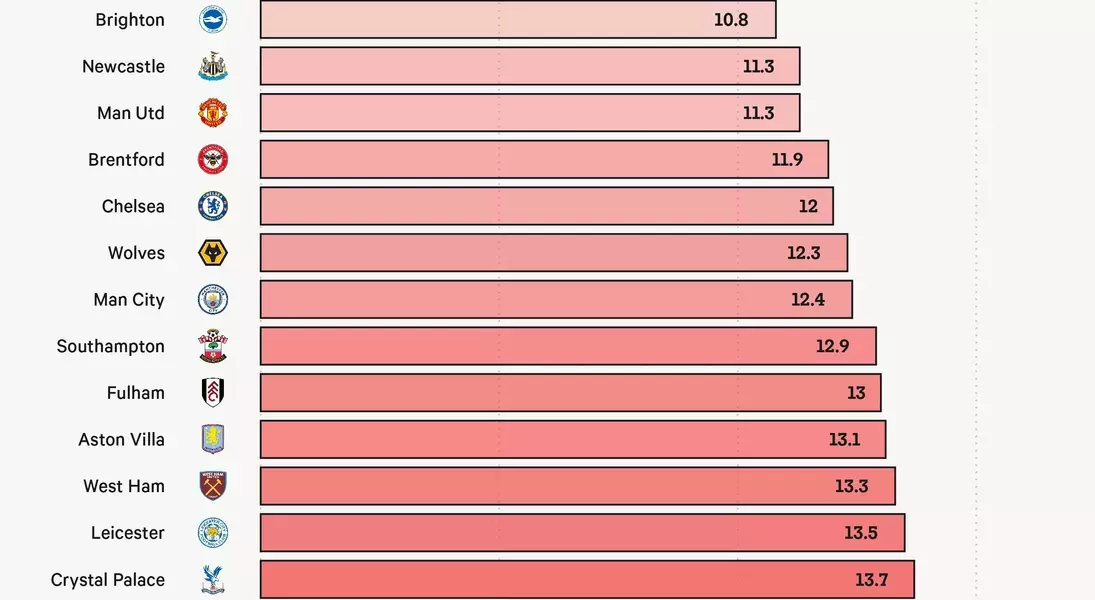
The adaptation required from Forest's players will be immense. The demand for increased intensity out of possession means players will need to cover more ground and engage in aggressive pressing. Last season, Forest's reluctance to press was evident in their league-high 15 passes per defensive action (PPDA) allowed. This metric will undoubtedly decrease under Postecoglou, requiring a fundamental shift in the players' physical and tactical conditioning. While Postecoglou showed some flexibility with more compact, defensive setups during Tottenham's Europa League knockout stages, he clarified these were specific adjustments, and Forest should still anticipate a far more intense playing style.
One of the key challenges for Postecoglou will be integrating players whose profiles may not perfectly align with his high-energy system. Chris Wood, for instance, a prolific goalscorer last season with 17 non-penalty goals from just 11.0 expected goals, is 33 years old and not known for his ground-eating runs. This contrasts with players like Dominic Solanke, who thrived in Postecoglou's system at Spurs due to his relentless work ethic and 'double-pressures.' Postecoglou will need to either adapt his expectations for Wood or opt for more energetic options, such as new signing Arnaud Kalimuendo, to lead the press.
Defensively, Forest's backline faces a steep learning curve with Postecoglou's radical high line. Tottenham's defensive line, even with injuries to key center-backs, operated significantly higher than Forest's previous deep block. This approach demands pace and recovery speed from center-backs to cover large areas of space behind them. While Murillo possesses the requisite speed, similar to Tottenham's Micky van de Ven, his partner, Nikola Milenkovic, may struggle. Milenkovic's vulnerability in a high-line system was exposed in a recent international match, raising concerns about his suitability for Postecoglou's demanding defensive structure.
Despite the inherent risks associated with such a dramatic tactical overhaul, elements of Postecoglou's playbook could complement Forest's existing strengths. Both his Tottenham side and Forest were formidable on the counter-attack last season, with Tottenham scoring 10 and Forest possessing strong ball carriers like Morgan Gibbs-White. The addition of wide players like Omari Hutchinson and Dan Ndoye further enhances Forest's ability to launch rapid, dangerous counters. Postecoglou's preference for take-ons also aligns with Forest's direct wide options, potentially unlocking greater attacking freedom. Furthermore, Forest's strong deep-lying midfielders, particularly Elliot Anderson's ability to plug gaps and read play, could help mitigate the defensive vulnerabilities that occasionally plagued Tottenham's attacking freedom.
Ultimately, Forest's decision to embrace Postecoglou's bold, attacking philosophy represents a significant gamble. While Nuno's pragmatic, defense-first approach delivered results, it is often not considered a sustainable model for clubs aspiring to challenge for European spots. Forest's desire to dictate games rather than merely absorb them necessitates a shift towards a more proactive style. Postecoglou, renowned for his bullish confidence, has made it clear: \"It’s about implementing my own ideas. It’s no secret I love my teams to attack. I love my teams to score goals.\" The coming months will reveal whether Forest's squad can successfully integrate these intense tactical demands and whether this ambitious transformation will translate into sustained success.
