


This article provides an in-depth examination of the financial regulations governing Spanish football, specifically focusing on the salary limit imposed by La Liga. It presents a comprehensive overview of how these rules impact clubs' operations, from player acquisitions to overall competitive strategy. Drawing on insights from club executives, the piece explores the perceived benefits of financial stability alongside the challenges and frustrations experienced by teams navigating these strictures.
Navigating the Financial Fair Play Tightrope in Spanish Football
The Enduring Conundrum of Wage Caps in La Liga
The summer transfer period once again brought to the forefront the long-standing discussion surrounding La Liga's expenditure controls. Many teams, most notably Barcelona, found themselves grappling with these restrictions, which are widely considered to be among the most stringent in European football. These regulations fundamentally cap the amount clubs can allocate to player remuneration, with each team's maximum spending capacity directly linked to their generated revenue. Should a club exceed this predetermined threshold, La Liga will not authorize the registration of new players, rendering any new signings ineligible for play.
Adapting to Financial Constraints: Club Strategies and Challenges
Barcelona, for instance, surpassed their allowed expenditure for the 2025-26 campaign. To circumvent this, they leveraged a specific provision within La Liga's regulations to register goalkeeper Joan Garcia, capitalizing on Marc-Andre ter Stegen's injury. Furthermore, board members provided a €7 million bank guarantee to facilitate Marcus Rashford's loan move from Manchester United. Beyond Barcelona, numerous other Spanish clubs also faced considerable hurdles, with over 100 players from both first and second divisions remaining unregistered on the eve of the new season. While some elite clubs, such as Real Madrid and Atletico Madrid, had the financial muscle to make significant investments, many others, including Villarreal and Real Betis, had to resort to selling key players to generate necessary funds, even if it meant parting with talent they ideally wished to retain.
The Underlying Rationale: Promoting Financial Stability in Spanish Football
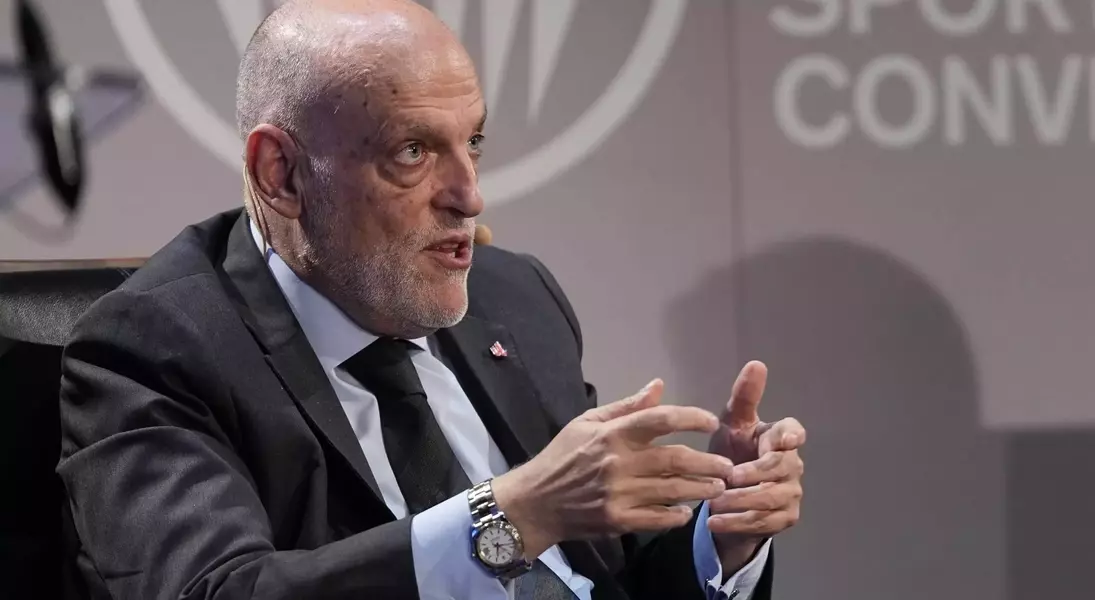
La Liga president Javier Tebas has consistently championed these financial regulations, which were implemented shortly after his appointment in 2013. At that time, Spanish clubs collectively carried over €2 billion in debt, with a substantial portion owed in unpaid taxes to the Spanish government. Tebas emphasized that his proudest achievement has been fostering sustainability within Spanish football, transforming a landscape where clubs routinely defaulted on payments to players and suppliers. The overwhelming sentiment among contributing clubs is that these salary controls are a necessary measure to prevent a return to financial instability. Representatives from Valencia and Elche acknowledged that the rules have drastically reduced insolvencies and enhanced the long-term viability of most clubs. An executive from Osasuna described them as a "necessary evil," asserting that football requires such frameworks to prevent unchecked spending and ensure solvency.
Unintended Consequences: Competitive Disadvantages and Player Exodus
Despite the consensus on the necessity of these rules, some club representatives believe they hinder teams' ability to genuinely enhance their competitive standing and often force the sale of valuable players. A stark contrast in spending was observed during the summer transfer window when compared to the English Premier League. While newly promoted La Liga teams collectively spent approximately €16 million on new players, their Premier League counterparts invested over €300 million. This disparity, many argue, is a direct consequence of La Liga's stringent financial oversight, leading to a competitive disadvantage on the international stage. A concerning trend highlighted was the continuous departure of promising young Spanish talent to foreign leagues, including players like Cristhian Mosquera, Yeremy Pino, and Miguel Gutierrez. Getafe, for instance, felt compelled to sell two of their key players, Omar Alderete and Christantus Uche, to register new signings, underscoring the tough choices clubs face under these regulations. While some argue that Spanish clubs continue to achieve success in European competitions and witness rising stadium attendance, others lament the loss of squad potential due to the inability to retain talent.
Navigating the Recent Transfer Window: Mixed Outcomes for Clubs
This past summer, several clubs, including Sevilla, Celta Vigo, Espanyol, Getafe, Real Sociedad, Betis, and Alaves, struggled to register new players for the start of the season. The perception among clubs regarding the severity of these challenges compared to previous years was varied. A Valencia executive observed a clear increase in financial control's impact, forcing many clubs to downsize their squads. They stressed the importance of finding a balance where financial stability mechanisms do not undermine the league's competitive product. Conversely, some Champions League participating clubs asserted that financially sound and well-managed teams faced no registration issues, implying that problems typically arise from prior overspending or misaligned income and expenses. The Osasuna executive reiterated that the rules apply universally, and clubs that overextend themselves cannot complain about subsequent disadvantages.
Future Adjustments: Enhancing Flexibility and Revenue Distribution
While acknowledging the positive aspects of the current model, some executives suggested avenues for improvement. An Osasuna representative highlighted the need for greater flexibility in the rules, noting that many leagues globally are adopting aspects of the Spanish model. They emphasized that true improvement lies in increasing revenue, rather than merely adjusting spending limits. A fairer distribution of television rights revenue was proposed as a key factor in benefiting all clubs. Currently, La Liga's TV revenue allocation heavily favors larger clubs based on factors like final league position and 'social reach,' leading to significant disparities in income. Furthermore, a high-ranking official at Getafe advocated for closing the transfer window before the season commences, arguing that this would better protect smaller clubs from larger entities poaching their best players close to the start of competition.
