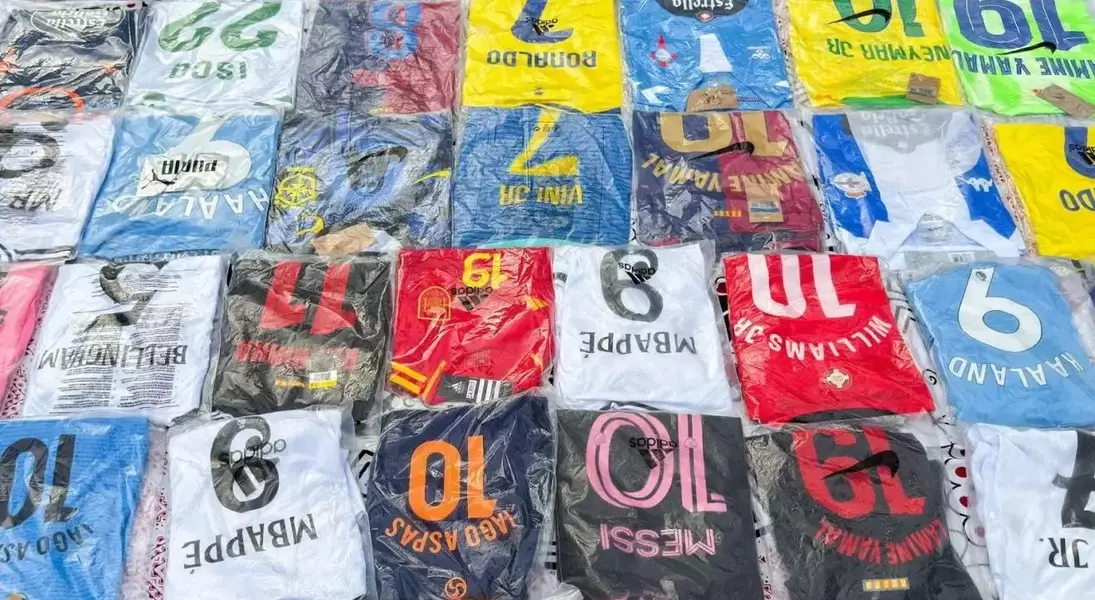
The world of football fashion is undergoing a significant transformation, with a growing emphasis on environmental responsibility. As awareness of climate change increases, stakeholders across the industry are re-evaluating traditional practices, particularly the rapid turnover of team kits. This movement towards sustainability seeks to minimize waste, reduce carbon footprints, and promote a more circular economy within the sport.
Revolutionizing Football Fashion for a Greener Tomorrow
The Environmental Toll of Rapid Kit Cycles: A Sobering Reality
Each year, the football community anticipates a fresh wave of team merchandise, encompassing new home and away designs, nostalgic re-releases, and exclusive limited editions. This perpetual cycle of new apparel constitutes a merchandising arms race, carrying an escalating environmental burden. The sheer volume of sportswear discarded annually is immense; in the United Kingdom alone, an astonishing 100,000 tons of athletic wear are sent to landfills. This figure translates to approximately 951 football jerseys every minute, or over half a billion shirts each year. Research indicates that merely extending the lifespan of a jersey by an additional nine months, essentially allowing for a second season of use, could reduce its carbon footprint, water consumption, and waste generation by as much as 30%. These statistics highlight the urgent need to address the rapid disposal of football attire and the considerable positive impact even a modest increase in product longevity could achieve.
Innovative Design and Upcycling: Transforming Waste into Value
Witnessing the extensive waste generated by the industry, visionary designers like Christopher Raeburn are pioneering creative solutions. Raeburn, as part of the “Great Save” campaign by Green Football, spearheaded the creation of limited-edition 'KIT:BAGs' crafted from vintage jerseys. He observed that every shirt holds a unique narrative, but sadly, too many are discarded and end up in landfills once their playing days are over. His project aimed to infuse forgotten memorabilia with new purpose, transforming nostalgic items into practical and aesthetically pleasing products. Raeburn noted that these reimagined bags retain the same sense of pride that the original shirts once embodied on the field. The campaign garnered attention with the involvement of Welsh international Ethan Ampadu, who contributed his national team jersey for this innovative remake, effectively merging the emotional connection of football with crucial environmental advocacy.
Charitable Initiatives: Giving Shirts a Second Life and Supporting Communities
Beyond design innovations, charitable organizations are also playing a crucial role in promoting sustainability. Street Soccer's Kitback program exemplifies this effort by collecting discarded football jerseys. These shirts are then creatively upcycled and resold, with the proceeds directly funding community initiatives. These programs provide vital support to individuals facing homelessness and mental health challenges. For Street Soccer, this endeavor extends beyond mere ecological branding; it is fundamentally about ensuring that these jerseys continue to bring joy to new wearers, simultaneously minimizing waste and generating financial resources for essential social programs. This approach highlights how environmental responsibility can be interwoven with social impact, creating a powerful synergy for positive change.
Clubs Leading the Charge: Embracing Slow Fashion Models
A growing number of football clubs are actively exploring and adopting slow-fashion principles. Athens Kallithea, a team in Greece's second division, has notably announced that their 2024/25 kits will be re-released as a 2024-26 collection. This strategic decision effectively breaks the conventional annual kit cycle, prioritizing rebranding over frequent material replacement. Similarly, Brentford in England has deviated from the norm by re-utilizing their 2022/23 home kit for the 2023/24 season. This conscious effort aims to alleviate financial burdens on supporters while simultaneously reducing the team's environmental footprint. While these actions represent modest steps within a vast global industry, they serve as powerful examples of a potential broader shift towards more sustainable practices.
Manufacturing Innovations: Towards Recycled and Sustainable Materials
Manufacturers are also making strides in sustainable production. Puma, for instance, has achieved significant progress through its RE:FIBRE initiative, producing over one million recycled jerseys. Each of these garments incorporates at least 75% recycled polyester derived from textile waste. Forest Green Rovers, widely recognized as the most environmentally conscious football club globally, has pushed boundaries further by experimenting with bamboo-charcoal fabrics for their jerseys. This innovation aims to halve the reliance on polyester. These initiatives underscore the feasibility of material innovation within the industry, although scaling such solutions to the entire global football economy presents a considerable challenge. The overarching goal is to reduce dependence on virgin materials and move towards more eco-friendly alternatives.
Challenges and the Vision for a Circular Economy in Football Apparel
Despite progress, the football apparel industry largely remains dependent on synthetic, petroleum-derived fabrics. Even recycled polyester, while a step forward, is still a plastic product and does not fully address issues such as fossil-fuel dependence or microplastic shedding. Tess Howard, founder of the sustainable sportswear non-profit Inclusive Sportswear, points out that the fundamental challenge lies in altering the culture of continuous kit changes. The focus should shift towards prioritizing the durability and adaptability of kits over frequent aesthetic updates. This means the solution isn't just about crafting a better quality shirt; it's about breaking football's ingrained habit of constantly demanding new attire. The vision for a truly circular economy in football apparel requires a paradigm shift in both production and consumption patterns, moving away from a linear 'take-make-dispose' model towards one that emphasizes longevity, reuse, and genuine recyclability.
The Booming Market for Second-Hand and Vintage Football Jerseys
Concurrently, the market for pre-owned and retro football shirts is experiencing a significant surge. Recent reports highlight the escalating demand for classic and match-worn jerseys, indicating that nostalgia and the stories embedded within these items are becoming powerful motivators for consumers. Companies like MatchWornShirt specialize in authenticating and auctioning game-used kits, with some fetching tens of thousands of pounds. This trend gives jerseys a new lease on life as valuable collector's items rather than disposable fashion, fostering a culture of appreciation for their history and craftsmanship.
Fan-Driven Resale Culture: A Sustainable Alternative
This surge in vintage appeal aligns perfectly with a burgeoning fan-to-fan resale culture. Online marketplaces and local stalls are now bustling hubs where older jerseys frequently change hands, often at a fraction of their original retail price. For many supporters, this offers an economical way to acquire team gear without the significant outlay for the latest release. For others, it's about honoring the club's heritage and connecting with its narrative without contributing to the ongoing demand for new production. This grassroots movement underscores a growing desire among fans to engage with football fashion in a more sustainable and meaningful way.
A Multifaceted Movement Towards Sustainable Football Fashion
These emerging trends suggest a widespread adoption of slow-fashion practices, originating from various sources. Nostalgia-driven collectors, environmentally conscious charities, clubs actively seeking to reduce turnover, and manufacturers experimenting with recycled textiles are all contributing to this movement. However, the overarching culture of the sport still often encourages excessive consumption. Sponsors desire their logos on the newest designs, each season brings a fresh kit reveal, and limited-edition releases are frequently positioned as essential purchases. Overcoming this ingrained habit will require more than just good intentions. Clubs may need to implement official trade-in or upcycling programs, manufacturers must invest in truly recyclable fabrics with viable end-of-life solutions, and fans will need to consciously choose pre-loved items over brand-new ones. The objective is not to diminish the vibrant display of team colors in the stands, but rather to encourage a smarter and more enduring way of wearing them. Football thrives on cycles—seasons, tournaments, transfers—but jerseys do not need to be part of a disposable cycle. The beautiful game deserves a future where its apparel is as sustainable as its passion. The integration of slow fashion into football is no longer a niche concept; it is poised to become an integral part of the sport's future identity.
