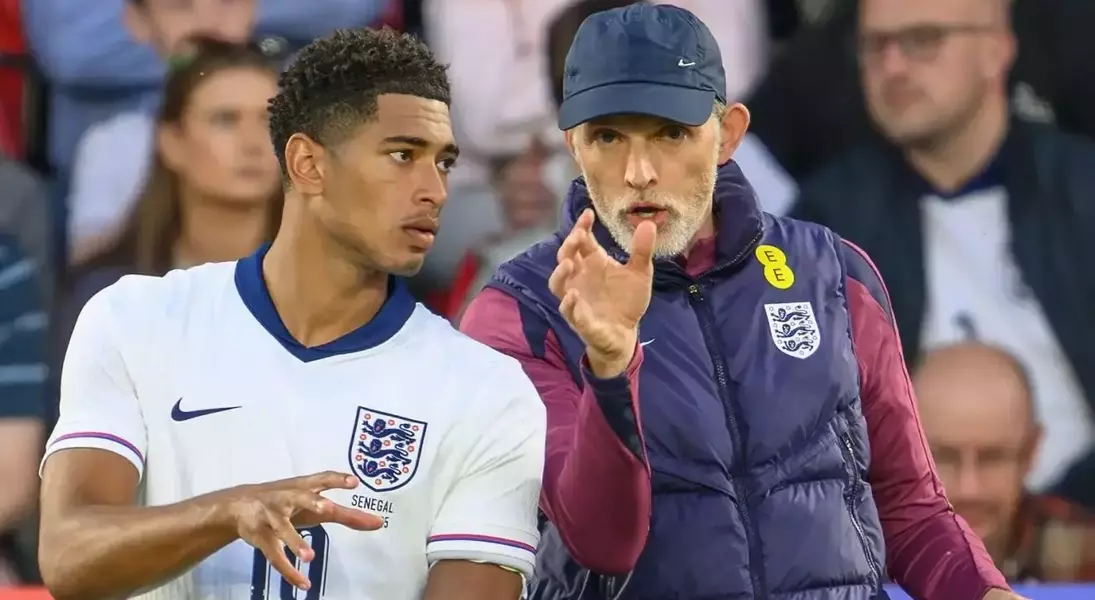
A persistent narrative in sports journalism revolves around the professional obligations of athletes, particularly concerning their engagement with the media. A recent example centers on Jude Bellingham, a prominent English footballer, and his selective approach to media appearances. This situation has sparked considerable discussion, with some journalists criticizing his perceived lack of availability, while others defend his right to privacy and focus on his performance.
Bellingham's decision to limit his press interactions largely stems from past incidents of personal harassment, where journalists reportedly targeted his family members. He has openly stated that such intrusions crossed a line of respect, leading him to prioritize his family's well-being over extensive media engagement. Despite fulfilling his contractual duties, certain media outlets continue to portray his stance as problematic, questioning his commitment to broader media relations and even suggesting it has created division within the national team. This perspective, however, often overlooks the valid personal reasons behind his choices, highlighting a potential disconnect between media expectations and an individual's right to privacy.
Furthermore, the media's reaction to this situation has revealed a curious pattern of selective reporting and self-absorption. While Quick Mail has extensively covered criticisms of Bellingham's media conduct, they appear to downplay or ignore his clear explanations for it. This raises questions about the motivations behind such persistent negative coverage and whether it serves the public interest or merely reflects the media's own anxieties about its influence. The broader conversation also touches upon the general performance of the English national team, with some journalists attempting to link Bellingham's media stance to perceived team failings, despite evidence to the contrary.
Ultimately, this case underscores the importance of respecting personal boundaries even within the realm of public figures. While transparency is valuable, it should not come at the cost of an individual's well-being or privacy. A balanced approach from the media, focusing on factual reporting and understanding the human element behind public personas, is crucial for fostering a healthier relationship between athletes and the press. True professionalism extends beyond fulfilling obligations; it involves integrity, empathy, and a commitment to fair and respectful engagement.
