
Manchester United Women's recent summer transfer activities have painted a complex picture of ambition, strategic recalibration, and underlying challenges. The club executed a notable player exchange, effectively swapping Grace Clinton for Jess Park, a move that not only strengthened their squad with a coveted talent but also yielded a financial gain. Alongside this, the acquisition of seasoned European players Fridolina Rolfo and Julia Zigiotti Olme signals a clear intent to bolster experience and tactical depth for the upcoming European campaign. However, this period has also brought to light persistent concerns regarding squad depth, particularly in critical defensive and forward roles, exacerbated by a high volume of staff departures. The team's financial approach appears to be one of cautious sustainability, a stance that contrasts sharply with the escalating spending in the broader women's football market, leaving some to question whether this conservative strategy could hinder their long-term competitiveness. Despite these hurdles, the club remains focused on fostering a cohesive team environment and ensuring sustainable growth within a highly competitive league.
The strategic moves made in the transfer market, including the intricate Clinton-Park exchange and the recruitment of international stars, demonstrate United's proactive efforts to enhance their roster. Yet, the simultaneous exodus of key personnel, from coaching staff to vital support roles, raises questions about organizational stability and the impact on team morale and performance. This dynamic landscape underscores the multifaceted challenges faced by Manchester United Women as they aim to compete at the highest levels, balancing immediate squad needs with long-term developmental goals, all while navigating a constrained financial framework. The upcoming season will undoubtedly test the resilience and strategic foresight of the club's leadership and coaching staff, as they strive to integrate new talents, address depth issues, and maintain a competitive edge amidst significant internal and external pressures.
Strategic Player Movements and Squad Evolution
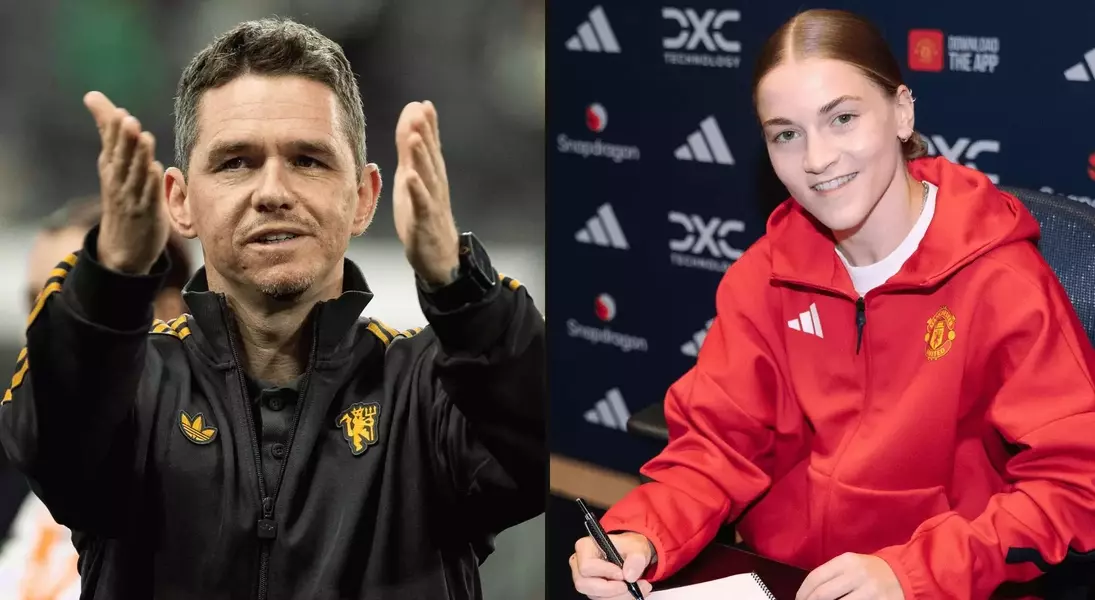
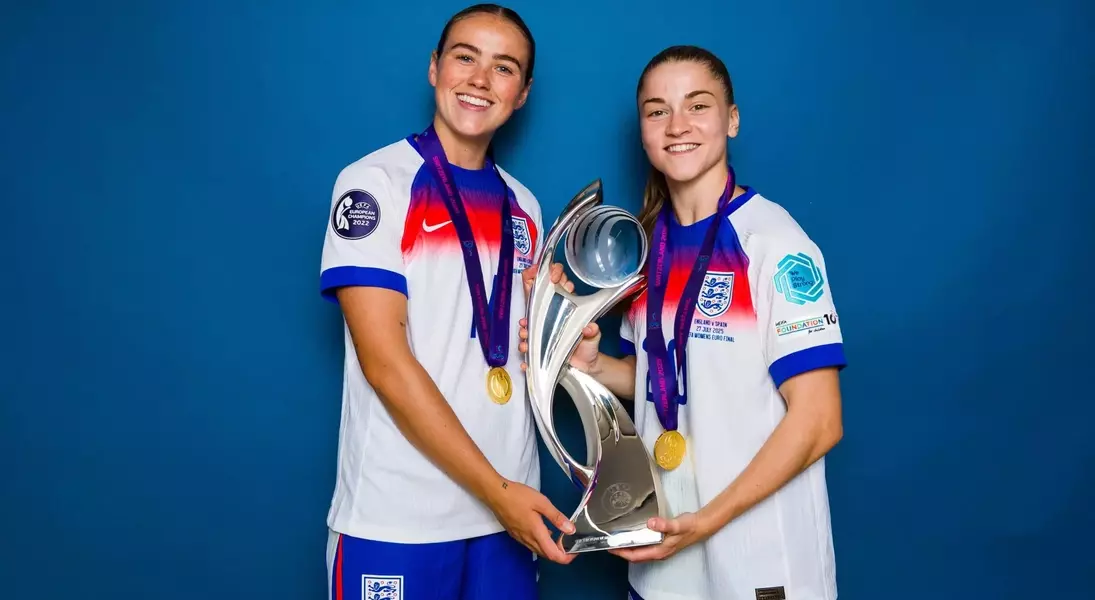
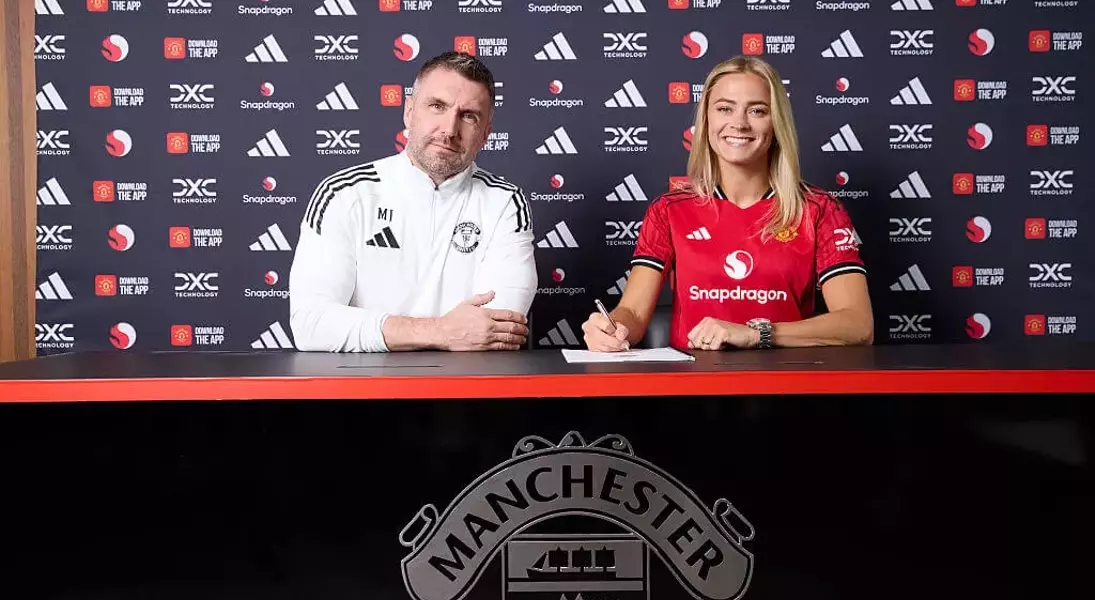
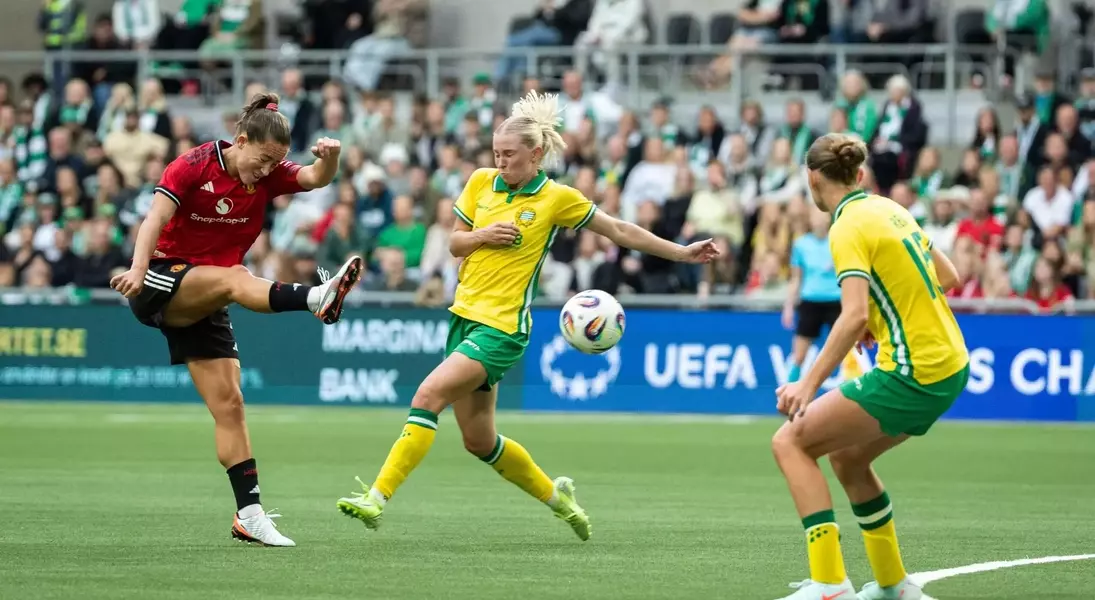
Manchester United Women's recent transfer window was defined by a calculated player exchange, seeing Jess Park join the club while Grace Clinton moved in the opposite direction. This intricate deal not only brought a highly sought-after talent to United but also resulted in a financial benefit for the club. The negotiation was complex, with United initially rejecting multiple bids for Clinton, steadfastly linking her departure to the acquisition of Park. This strategic maneuver ensured that United gained a player they highly valued, making Park one of their highest-paid women's team members. Complementing this, the club secured two experienced Champions League players: Sweden's Julia Zigiotti Olme and Fridolina Rolfo. These signings were a deliberate shift from the previous year's focus on younger talent, aiming to inject seasoned expertise into the squad. Rolfo, a two-time Champions League winner, brings significant pedigree and physical prowess, while Zigiotti Olme is expected to provide crucial midfield balance and control. These additions underscore the club's commitment to building a competitive team capable of challenging at both domestic and European levels, prioritizing players who can immediately contribute to their ambitions.
The transfers of Jess Park and Grace Clinton represented a pivotal moment for Manchester United Women, showcasing a shrewd approach to player acquisitions. United's director of women's football orchestrated a deal that effectively served as a swap, with City paying a premium for Clinton, ensuring United's profitability and securing Park. Park's desire for increased playing time, despite her long tenure at City, aligned with United's need for a versatile and impactful player. Conversely, Clinton's departure, motivated by a perceived misalignment with the club's future direction, allowed United to move forward with players fully committed to their vision. The acquisition of Fridolina Rolfo on a free transfer was a significant coup, made possible by Barcelona's financial restructuring. Despite her age and recent injury, Rolfo's championship experience and tactical versatility as a natural left-footer are expected to be invaluable. Julia Zigiotti Olme's signing, though less heralded, is seen as equally crucial, with her technical ability, work rate, and game intelligence providing much-needed stability and progression in midfield. These strategic recruitments reflect a clear intent to elevate the squad's quality and experience, preparing them for the rigors of European competition and a demanding domestic season. The club's leadership views these transfers as a testament to their balanced investment and disciplined budgeting, aiming for sustainable development within the women's team framework.
Navigating Depth Concerns and Organizational Shifts
Despite the strategic player acquisitions, Manchester United Women face significant challenges concerning squad depth, a reality acknowledged by head coach Marc Skinner. The team's transfer window was notably quiet beyond the key signings, with efforts to recruit additional players for right-back and forward positions falling short due to inflated market prices and limited availability. This leaves the squad with thin cover, particularly with existing injuries to key players like Rachel Williams and Leah Galton. The situation is further complicated by a high turnover in staff, with nine members of the women's team departing for various reasons, including more senior roles at other clubs. While the club views these departures as a testament to the quality of their staff, it undeniably creates a void in crucial support and coaching roles. This organizational flux, coupled with the squad's limited depth, poses a substantial risk as the team embarks on a demanding season that includes European competitions. The need for reinforcements, especially in the winter transfer window, is paramount to ensure the team can maintain competitiveness and withstand the pressures of a packed schedule.
The issue of squad depth is a pressing concern for Manchester United Women, particularly given their European commitments. The inability to secure additional players in critical areas, such as right-back and the forward line, leaves the team vulnerable to injuries and fatigue. With several key players already sidelined or returning from injury, the existing roster will be stretched, potentially impacting performance consistency over a long season. The departure of numerous staff members, including the goalkeeping coach, assistant coach, head of recruitment, and several analysts and physios, adds another layer of complexity. While some roles have been filled, the sheer volume of changes could disrupt team cohesion and operational efficiency. Coach Skinner has candidly expressed the immense pressure of his role, emphasizing the need for consistency and sustainability within the squad. He has also highlighted the club's restrained financial approach, which, while promoting profitability, limits their ability to compete with rivals in a rapidly inflating transfer market. This cautious investment strategy, contrasting with the significant spending in the men's team, raises questions about the long-term competitiveness of the women's side. The club acknowledges the need for further investment, particularly in the upcoming winter window, to address the evident depth issues and ensure the team's ability to compete effectively across all competitions, reflecting a constant battle between financial prudence and sporting ambition.
