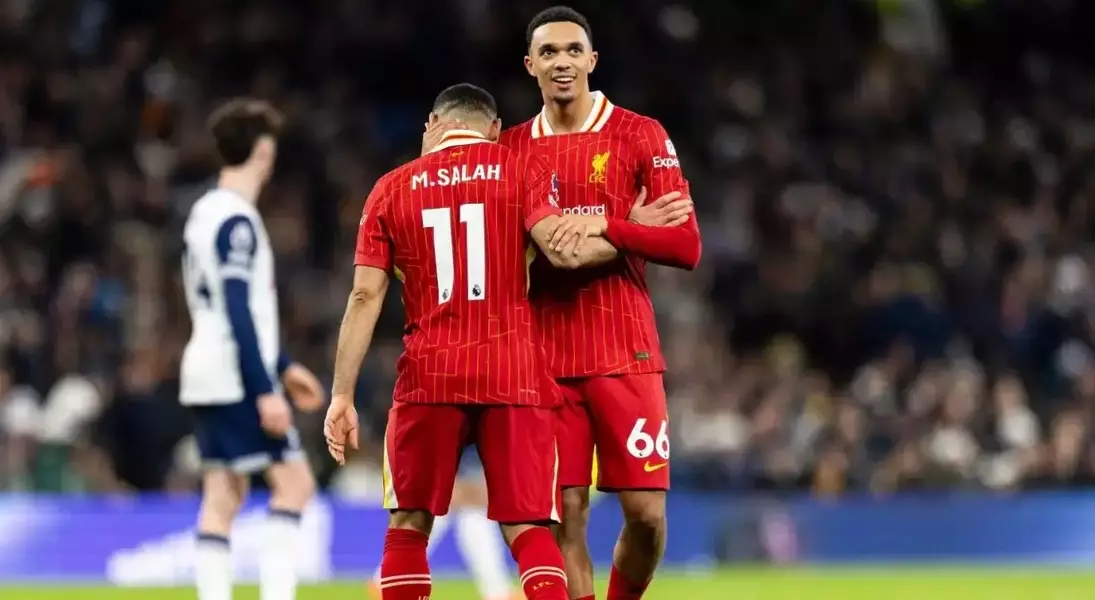
Liverpool's dominant position at the summit of the Premier League, comfortably six points clear, masks underlying concerns about their overall performance. While their ability to secure victories in challenging circumstances is undeniable, the recurring pattern of late winning goals and surrendering comfortable leads suggests a team still grappling with fundamental issues. This paradox invites a deeper analysis: are these signs of a champion's grit or indicators of inherent flaws that could hinder their title aspirations?
Liverpool's Precarious Lead: Late Game Drama and Defensive Vulnerabilities Highlight Early Season Concerns
In the current Premier League season, Liverpool finds itself in an enviable position at the top of the standings, having already triumphed over a major rival and established a six-point lead over its closest competitor. However, a closer examination of their matches reveals a consistent pattern of late-game heroics and a disconcerting tendency to relinquish two-goal advantages. For instance, Dominik Szoboszlai's decisive goal against Arsenal in the 83rd minute stands out as Liverpool's earliest winning strike this season, with several other victories being secured deep into stoppage time. This trend, while showcasing the team's unwavering determination, also raises questions about their sustained performance levels throughout a full 90 minutes.
A significant contributing factor to these dynamics appears to be the strategic void left by key personnel changes. The departure of Trent Alexander-Arnold, a homegrown talent and crucial playmaker, has created a noticeable imbalance. His unique ability to influence play from the right-back position, often acting as a 'cheat code' with his visionary passing and offensive contributions, has proven difficult to replicate. Despite a flurry of summer transfer activity, including the acquisition of exciting attacking players like Florian Wirtz and Hugo Ekitike (with Ekitike being a notable success thus far), the team has struggled to compensate for Alexander-Arnold's multifaceted role. Mohamed Salah, who previously thrived on a near-telepathic understanding with Alexander-Arnold, has also experienced a less convincing start to the season, hinting at a potential 'Mo Salah problem' stemming from this shift. Furthermore, the failure to bolster the central defense during the transfer window suggests a potential defensive vulnerability that could become more pronounced as the season progresses, especially with Milos Kerkez, a promising left-back from last season, currently struggling for form.
Reflecting on Liverpool's Form: Resilience or A Ticking Time Bomb?
The current state of Liverpool's team provides a fascinating case study in modern football. While their ability to consistently grind out results, even when not at their best, is often lauded as a hallmark of champions, it also begs the question of sustainability. This reliance on late goals and dramatic comebacks, coupled with the apparent struggles of star players adapting to new team dynamics and the lingering defensive concerns, suggests that their flawless league position might be more fragile than it appears. The true test for this reshaped Liverpool squad will be to transition from moments of individual brilliance and collective grit to a more consistent, dominant style of play, capable of dispelling any doubts about their long-term championship credentials. Failure to address these underlying issues could see their early-season dominance unravel as the intensity of the campaign increases.
