
The global football community is currently engaged in a significant discussion regarding the potential enlargement of the FIFA World Cup. This article delves into the proposals for expanding the men's tournament to 64 teams by 2030, analyzing the motivations behind such a move, the various perspectives from different confederations, and the challenges that would need to be addressed.
The World Cup's Evolving Scale: Examining the Proposal for a 64-Team Tournament
The Genesis of a Grander Vision: The 64-Team World Cup Initiative
Recently, football's international governing body has been in talks about a substantial increase in the number of participating nations for the Men's World Cup in 2030. This proposition emerged from South American football officials, who formally presented their concept. This potential expansion would mark a rapid escalation in the tournament's size, following the transition from 32 to 48 teams scheduled for the 2026 North American edition. The possibility of a 64-team event, while seemingly swift, is being seriously considered by prominent figures in the sport.
Unpacking the Proposal: Details of the Centenary Expansion
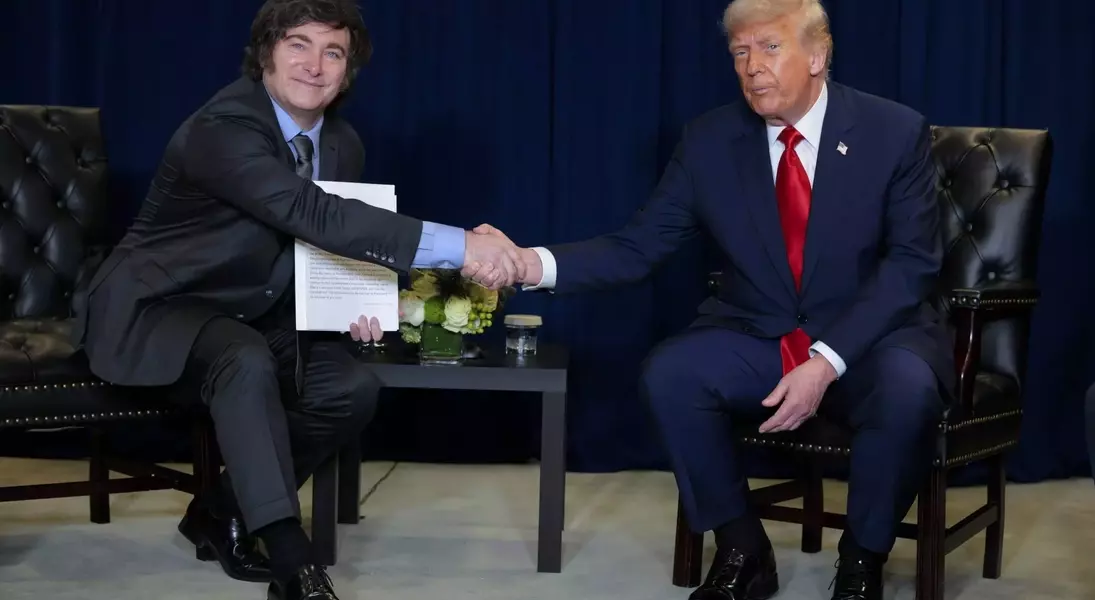
Earlier this week, high-ranking officials from South American football converged in New York City at FIFA's headquarters to formally present their vision. The CONMEBOL president, Alejandro Dominguez, emphasized the profound significance of this meeting, expressing hopes for transformative outcomes for the sport. The core discussion revolved around an expansion strategy, initially floated in March by Uruguay's Football Association president. This expanded format is positioned as a special, one-time enlargement to honor the 100th anniversary of the inaugural World Cup, which took place in Uruguay in 1930. The meeting saw the presence of key South American football leaders and two heads of state, underscoring the regional commitment to this initiative.
The World Cup's Trajectory: From 32 to 64 Teams in a Decade
To fully grasp the magnitude of this suggested expansion, it's essential to contextualize the World Cup's growth. After expanding from 16 to 24 teams in 1982 and then to 32 nations in 1998, the current proposal suggests the tournament could double in size within just eight years. The upcoming 2026 World Cup, co-hosted by the United States, Canada, and Mexico, is already projected to feature an unprecedented 104 matches. A 64-team competition would mean that over 30 percent of FIFA's member associations would participate. The 2030 event is slated to span the broadest geographical area in the tournament's history, with primary hosting duties shared by Spain, Portugal, and Morocco, and centenary group-stage matches scheduled in Argentina, Uruguay, and Paraguay. However, these South American nations are advocating for a more significant presence.
Driving Forces: The Advocacy for a Larger Tournament
The primary proponents of this expansion are CONMEBOL and its member federations. Under current FIFA regulations, a continent can only host the World Cup once every three cycles. Consequently, by hosting only three games in 2030, South America would be ineligible to host again until at least 2042, potentially limiting the football-passionate continent to just one World Cup (Brazil in 2014) over 64 years. CONMEBOL's proposal for a 64-team World Cup envisions a scenario where significantly more group-stage matches are hosted across the continent in 2030, with suggestions that Argentina, Uruguay, and Paraguay could each host an entire group. FIFA often reiterates its commitment to representing all 211 member nations. Expanding the tournament to 64 teams would offer a more realistic chance for half of its members to compete.
Voices of Dissent: Opposition to the Proposed Enlargement
While South America's enthusiasm is evident, the rest of the footballing world does not universally share this sentiment. The UEFA president and FIFA vice-president, Aleksander Ceferin, expressed his disapproval, a stance he maintains. He described the proposal as a "bad idea" for both the World Cup itself and the qualification process. His CONCACAF counterpart, Victor Montagliani, holds similar reservations, believing the expansion is progressing too rapidly. One significant concern is the potential decline in competitive quality due to the disparity between top-tier teams and lower-ranked participants. For instance, the 64th-ranked team, Burkina Faso, has a modest footballing record, raising questions about the on-field product. Uncompetitive matches could negatively impact TV rights, FIFA's primary revenue source from the tournament. Broadcasting companies and FIFA might be left dissatisfied if a large portion of the group-stage matches lack excitement. Furthermore, major associations have voiced economic concerns, as many national federations rely on broadcasting rights from qualifiers for operational funding between World Cup cycles. Devaluing qualification through expansion could lead to financial difficulties for these countries. The proposal is also likely to attract further criticism from environmental activists, given that the 2030 tournament is already projected to have the largest carbon footprint in World Cup history due to travel and logistics; expansion would only exacerbate this impact.
The Qualification Conundrum: Charting a Path to a 64-Team World Cup
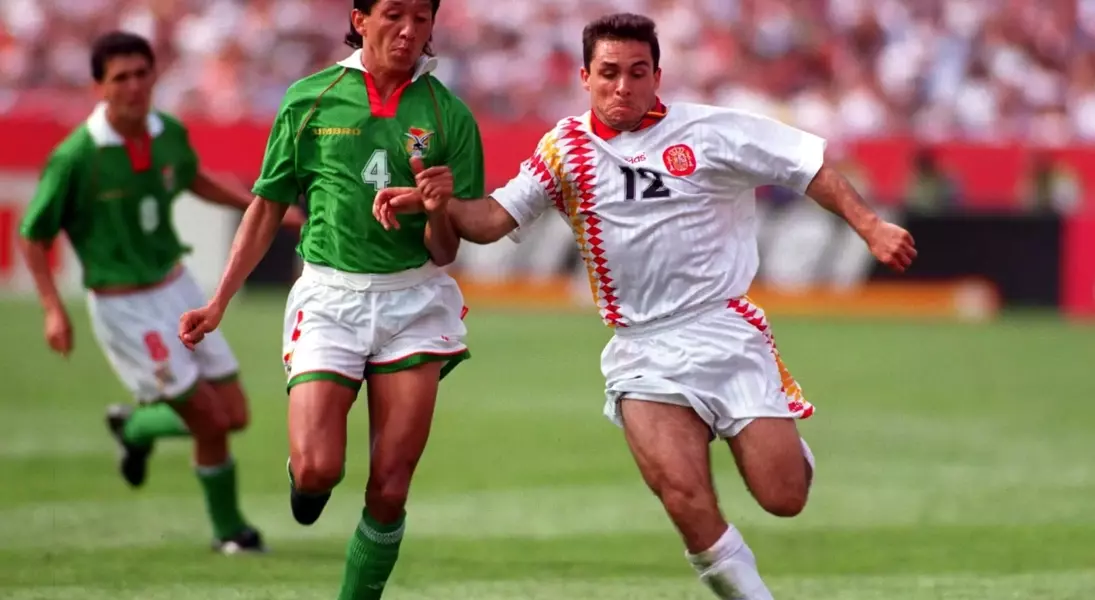
Numerous questions remain concerning the qualification process for an expanded 64-team tournament. For example, with at least six South American teams already slated to qualify for the 2026 event, it is unclear if CONMEBOL aims for all its member nations to participate in 2030. This could potentially welcome nations like Bolivia, currently ranked 77th, back to the World Cup for the first time since 1994. For larger confederations like UEFA and CAF, qualification would likely involve a similar structure, with more teams advancing from existing qualifying groups. However, the exact allocation of additional slots to each continent could become a contentious issue. The current 48-team format allows a maximum of seven CONMEBOL teams compared to nine from the AFC, representing a potential 70 percent of South American teams versus 19 percent of Asian teams. Determining where the extra slots should be distributed fairly is a significant challenge.
Tournament Structure: Crafting the Framework for a Larger Competition
While definitive conclusions are premature, a 64-team format might paradoxically be more manageable than the 48-team structure. The upcoming 2026 World Cup's format is complex, with 12 groups of four, where the top two teams from each group, plus the eight best third-place teams, form a round of 32. A 64-team format could simplify this by eliminating the need for 'lucky losers,' potentially featuring 16 groups of four, with the top two teams directly advancing to the knockout stages. However, 64-team tournaments are rare, with the NCAA basketball tournament being one of the few major examples. A concern is the increased randomness of extended knockout stages, which could lead to major teams being eliminated early, potentially reducing the appeal of marquee matches and impacting the value of television rights.
The Road Ahead: Timelines and Unresolved Questions
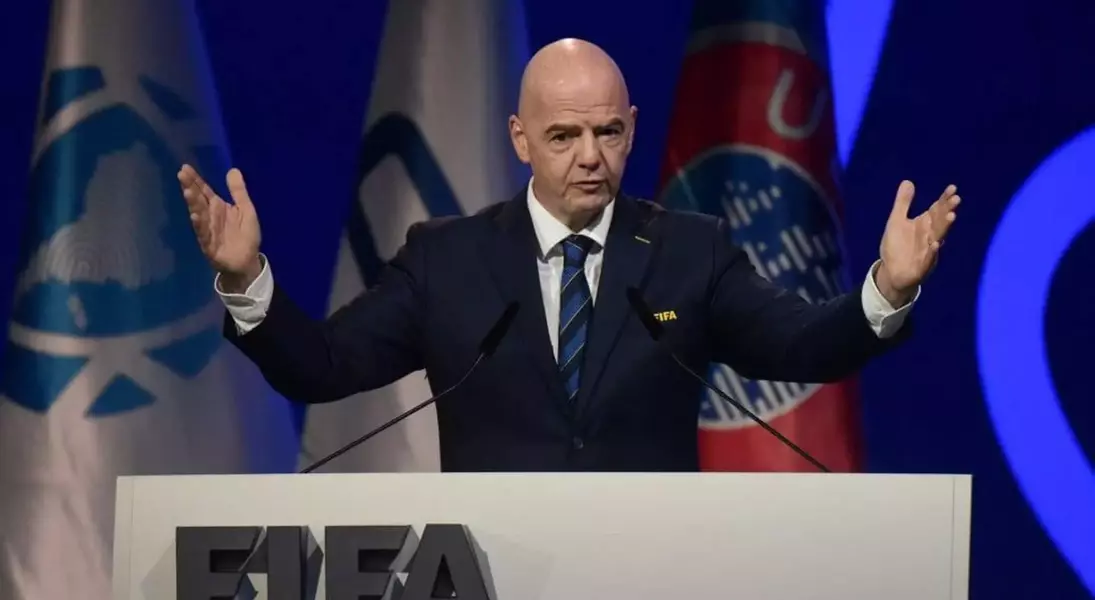
In a video shared by Paraguayan President Pena, FIFA President Infantino appeared supportive of his South American counterparts, stating, "Today, we really start working together as a team to make history." However, a FIFA spokesperson clarified that no decision has been made and that the body is obliged to analyze all serious proposals from member nations. Any expansion would require debate and approval by the FIFA Council, which convenes at least twice annually. FIFA operates on its own timeline, navigating considerable pressure from both sides of the debate. It would be prudent to assess the competitiveness of the 48-team World Cup next year. If the qualification format needs to be finalized after that tournament, it benefits FIFA that an expanded competition would likely lead to an expedited qualification process. Ultimately, FIFA's internal logic will dictate the final outcome.
