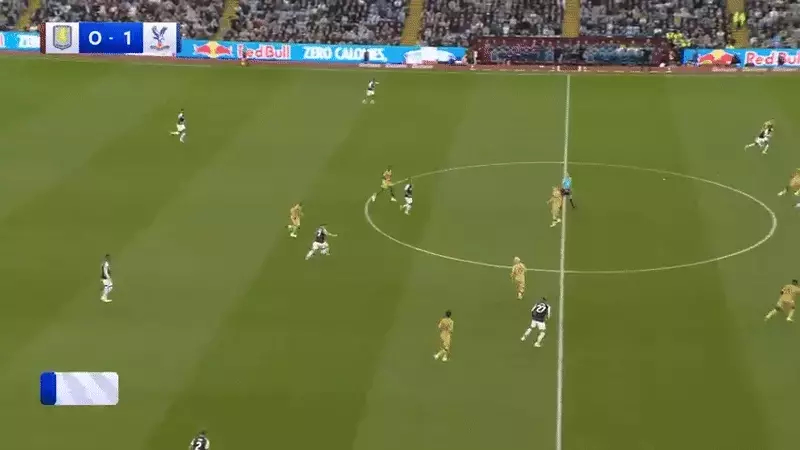
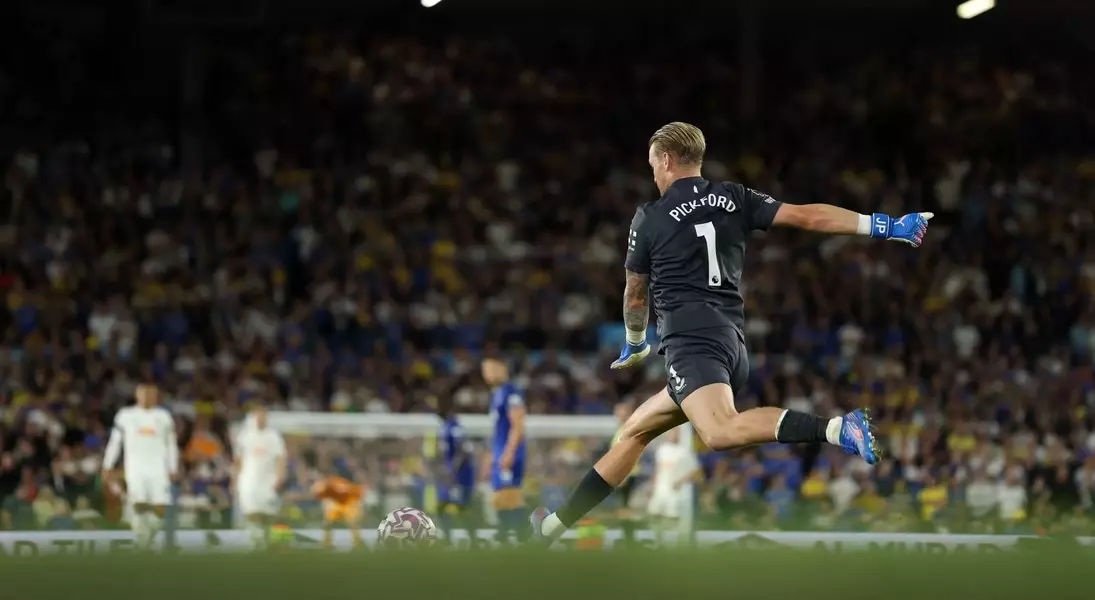
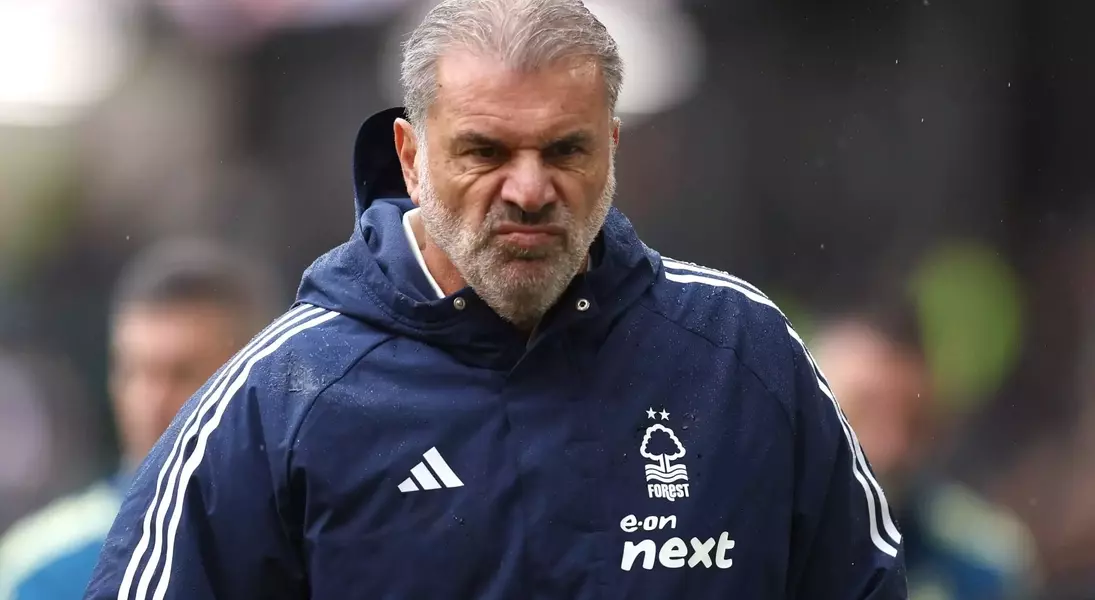
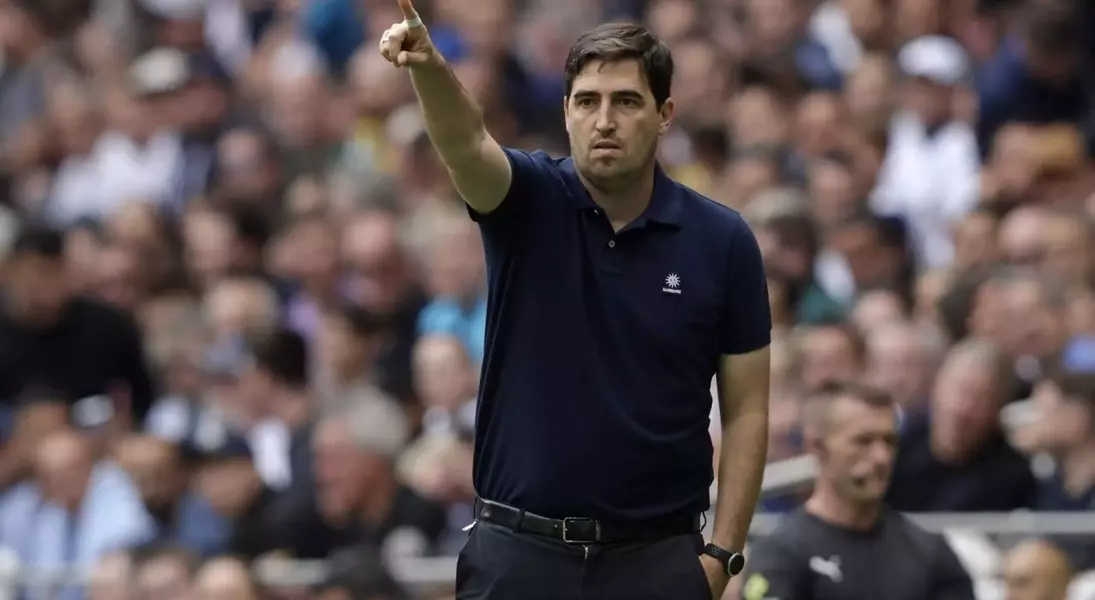
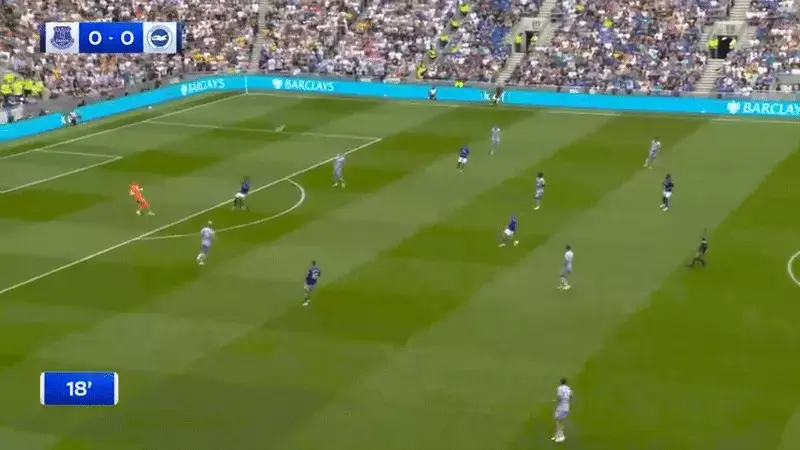
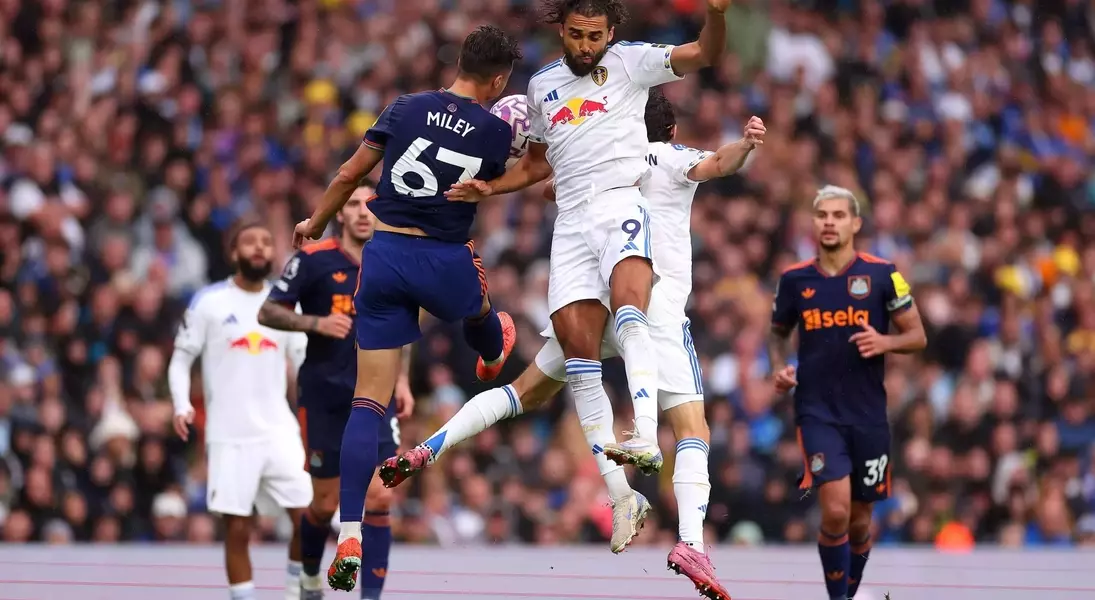
In contemporary football, the role of long passes has undergone a significant transformation, evolving from a strategy once deemed outdated to a sophisticated tactical tool. Following the dominance of possession-based football championed by figures like Pep Guardiola, long balls initially saw a decline in prominence. However, recent seasons, particularly since late 2024-25 and the early stages of 2025-26, indicate a clear resurgence in their strategic value across the Premier League. This shift is largely a response to increasingly complex out-of-possession structures employed by teams, which aim to restrict space through methods like man-marking. Long balls offer an effective means to circumvent these tight defenses, facilitating transitions and generating offensive opportunities.
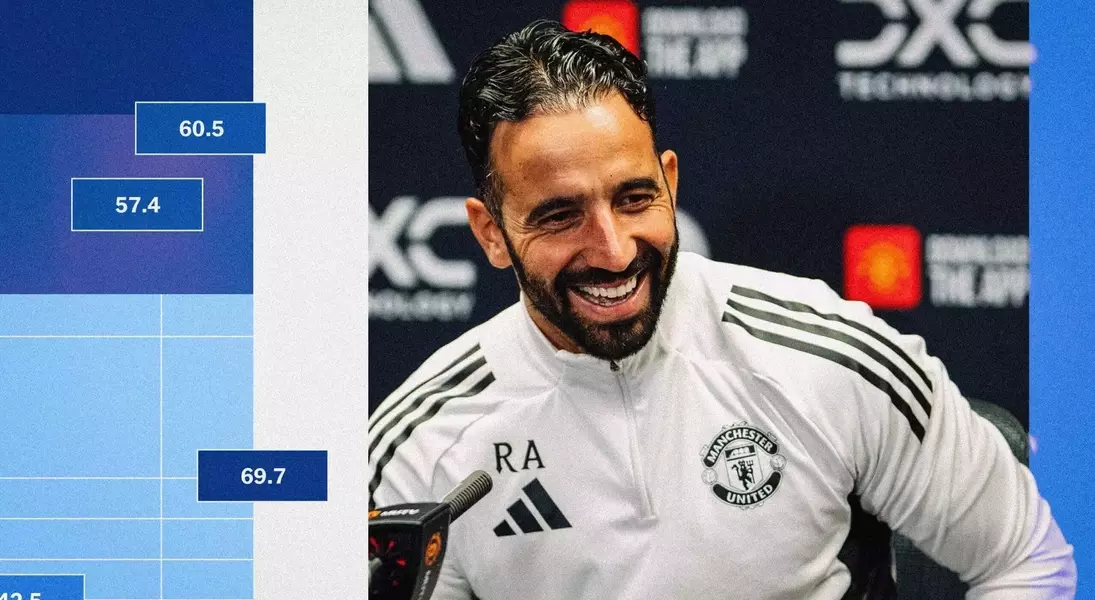
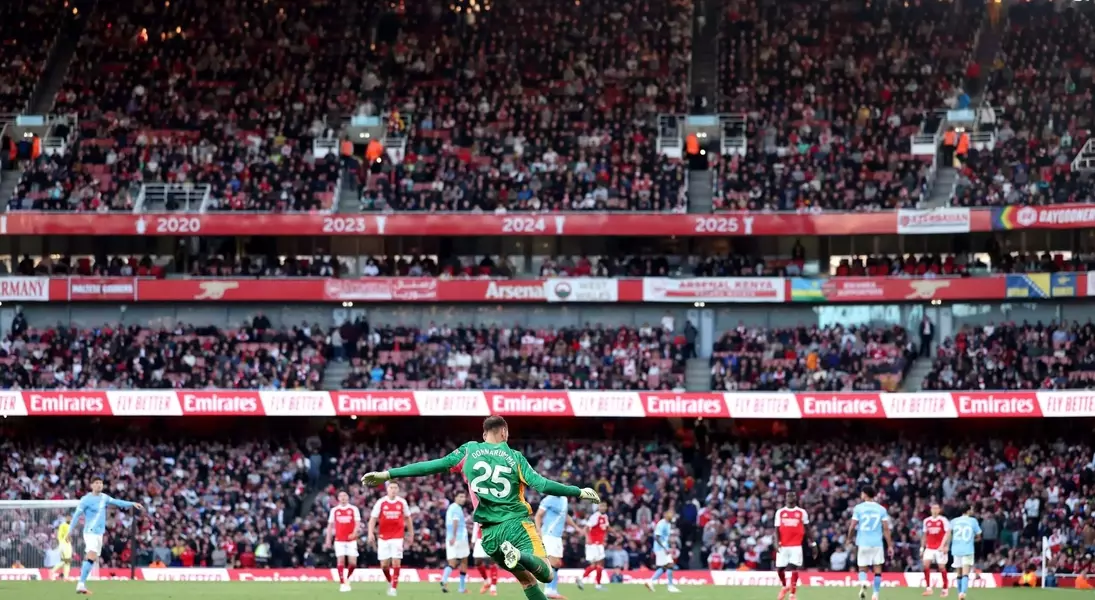
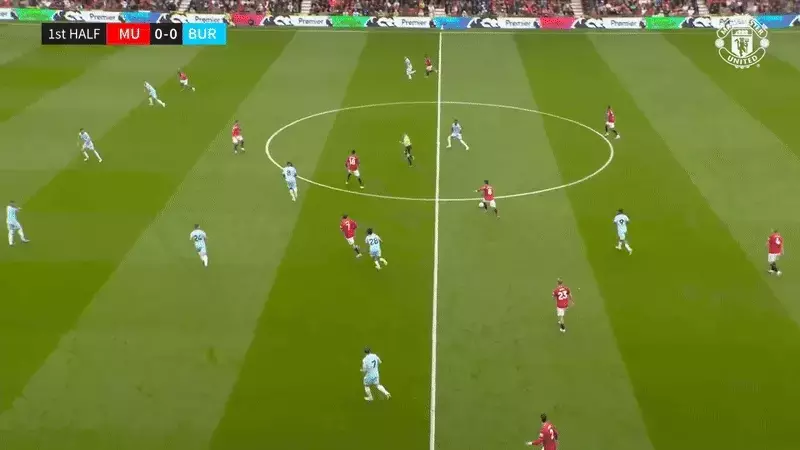
While the underlying principle of utilizing long balls remains consistent, individual teams demonstrate diverse applications. Manchester City, for instance, despite being synonymous with intricate short-passing play, has incrementally increased their long-ball usage, a tactical adjustment potentially influenced by player availability and the need to counter high presses. This is exemplified by their goalkeeper, Gianluigi Donnarumma, who joined to enhance their ability to play over the press. Similarly, Manchester United under Ruben Amorim have embraced long balls as a primary offensive weapon, topping the league in completed long passes and chances created from such plays. Everton and Burnley also heavily rely on long-ball strategies, with Everton maintaining a high share of long passes, albeit with evolving chance creation methods, and Burnley employing them to manage games against stronger opponents and reorganize defensively. Other clubs like Arsenal, Liverpool, and Tottenham Hotspur integrate long passes into their diverse attacking schemes, leveraging specific players' strengths to exploit defensive vulnerabilities.
Ultimately, the strategic use of long balls underscores the dynamic and adaptive nature of modern football tactics. Teams like Bournemouth have accelerated the league's shift towards direct play, using long passes to initiate rapid attacks against unsettled defenses. Even teams that traditionally favor more intricate build-up play, such as Chelsea and Newcastle United, are incorporating long balls as a viable option to break down stubborn opposition or gain territorial advantage. The effectiveness of these strategies varies, often depending on personnel, opposition analysis, and in-game situations. This tactical evolution highlights how even seemingly conventional approaches can be reimagined and integrated into sophisticated game plans, challenging established norms and fostering an exciting, unpredictable football landscape.
