
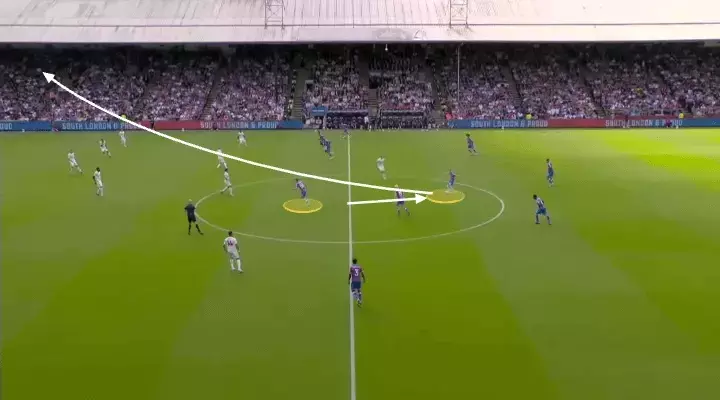
A peculiar tactical approach has infiltrated contemporary football, with teams intentionally booting the ball out of bounds directly from the kick-off. This maneuver, aimed at immediately gaining territory and applying pressure, harkens back to earlier eras of the sport when a more direct style of play often prevailed. While initially appearing as an innocuous deviation from traditional play, its growing adoption by prominent clubs signals a potential shift in tactical priorities. This trend underscores a broader emphasis on pressing and disrupting opposition flow, even at the expense of intricate possession-based football. The increasing frequency of such unconventional kick-off routines has prompted discussions about their long-term implications for the game's dynamics and overall appeal, particularly in development leagues where impressionable young players might emulate these high-level strategies.
The debate surrounding this tactical innovation is multifaceted. On one hand, proponents argue it's a legitimate, rule-compliant method for creating early pressure and forcing opponents into uncomfortable situations. On the other hand, critics express apprehension that such tactics could diminish the game's inherent artistry and fluid play, transforming it into a more fragmented, stop-start affair. The core concern revolves around whether prioritizing immediate territorial gains over constructive build-up play ultimately detracts from the spectator experience and the developmental aspects of the sport. As this trend continues to gain traction, the footballing world faces a dilemma: embrace this tactical evolution as part of the game's natural progression or consider interventions to safeguard the principles of continuous, possession-oriented play.
The Resurgence of Direct Kick-Offs and Its Historical Roots
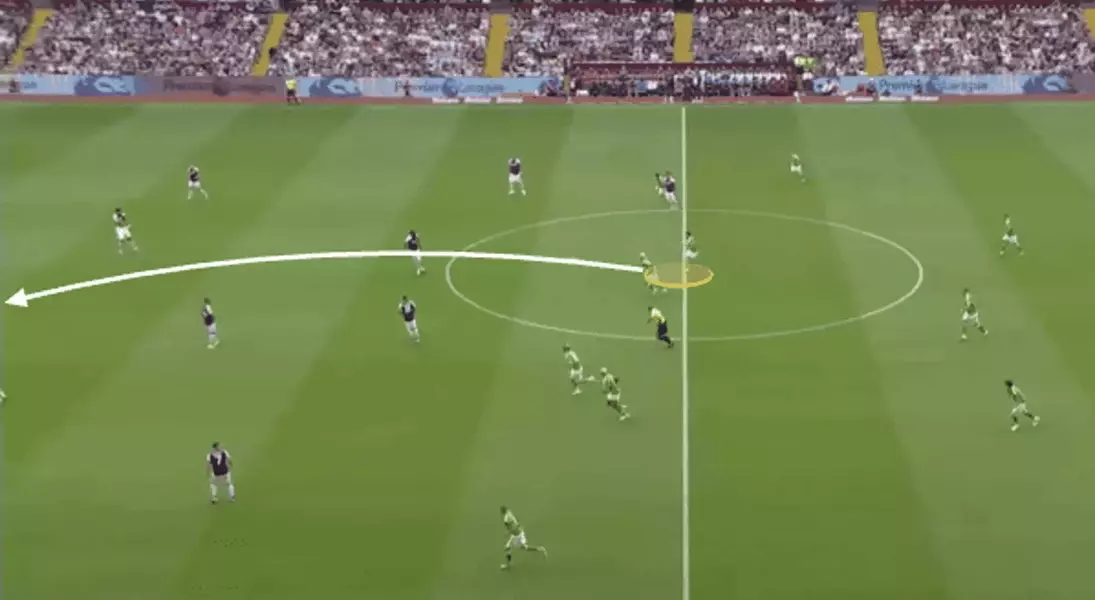
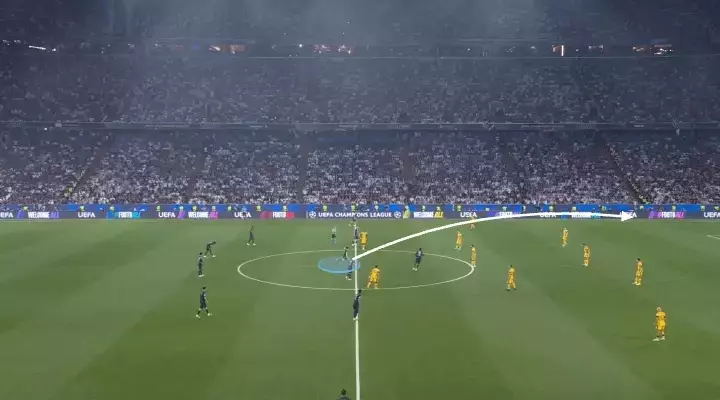
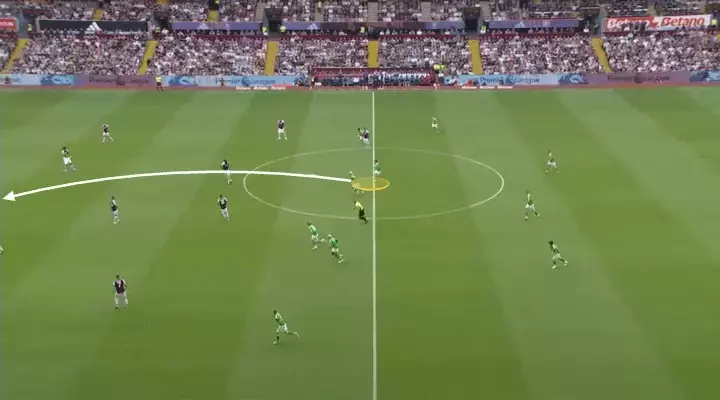
A curious tactical development has resurfaced in modern football: the deliberate action of kicking the ball out of play directly from kick-off. This strategy, designed to immediately establish territorial dominance and initiate a pressing sequence, appears to contradict the prevailing philosophy of possession-based football. However, it draws parallels with historical approaches, notably exemplified by Graham Taylor's England squad in 1991. Despite his team's reputation for a more traditional, long-ball style, Taylor's directive to launch a diagonal ball towards the corner flag from the outset aimed to box in the opposition and exert pressure. This historical anecdote underscores that the concept of gaining immediate field position, even if it means sacrificing initial possession, is not entirely new to the sport. The modern iteration, though seemingly more refined, echoes this foundational principle of establishing territorial advantage from the first whistle.
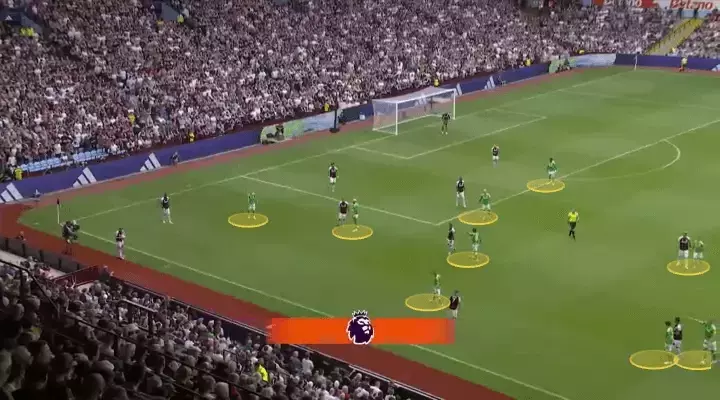
This re-emerging tactic is gaining traction, with prominent teams in top leagues adopting it. Initially seen in European club competitions, where teams like Marseille and Paris Saint-Germain employed similar strategies, it has since permeated domestic leagues. Clubs such as Newcastle United and Crystal Palace have frequently utilized variations of this kick-off, demonstrating its growing acceptance across different tactical frameworks. While Newcastle often opts for a direct kick towards the corner flag to enable a high press, Palace prefers a backward pass followed by a deliberate kick out of bounds, effectively forcing an early throw-in deep in the opponent's half. The prevalence of this tactic among diverse teams suggests a shared understanding of its potential to disrupt opponents and create immediate attacking opportunities through turnovers, highlighting a shift towards prioritizing rapid territorial gains over intricate build-up play from the very start of a match.
Implications for Game Flow and Future Rule Modifications
While the direct kick-off strategy is currently within the rules, its increasing adoption raises questions about its long-term impact on the aesthetic and flow of football. The tactic emphasizes aggressive pressing and the creation of 50/50 challenges, potentially leading to a more fragmented game characterized by frequent stoppages and less fluid play. This focus on disrupting the opponent from the outset, rather than building attacks through possession, could make for a less engaging spectacle, particularly in youth leagues where technical development and continuous play are paramount. The concern is that if deliberately kicking the ball out of play becomes a standard attacking maneuver, it could encourage a broader tactical shift towards immediate territorial battles over sustained periods of possession and intricate passing movements, fundamentally altering the nature of the sport.
The core issue lies in the outcome of such kick-offs: often, they lead to throw-ins deep in the opponent's half, where space is limited and successful retention of possession is challenging. Data supports that throw-ins close to the goal line result in significantly lower possession retention rates compared to those in midfield. This suggests that the tactic often culminates in a scramble for the ball rather than a structured attack. To counter this trend and preserve the game's emphasis on technical play, a potential rule modification could be considered. One proposed solution involves allowing teams to advance throw-ins originating deep in their own half to the edge of their penalty box. This adjustment would slightly mitigate the immediate territorial advantage gained by the 'kick-out' strategy, encouraging teams to explore more constructive ways to start matches while still enabling aggressive pressing, thereby balancing tactical innovation with the fundamental principles of football.
