The recent controversy surrounding Lamine Yamal's injury, involving both his club, Barcelona, and the Spanish national team, underscores a critical issue in modern football: the delicate balance between maximizing a young talent's potential and ensuring their long-term health and career longevity. This situation has brought to light a significant disagreement between club management and national federations on player management, particularly when dealing with the physical demands placed on emerging stars. The incident has ignited a crucial discussion about the responsibilities of various stakeholders in safeguarding the future of these promising athletes, preventing them from succumbing to injuries that could prematurely derail their careers.
Hansi Flick's strong stance against the Spanish Football Federation for their handling of Lamine Yamal's injury highlights a systemic issue within professional football where young players are often pushed to their limits across multiple competitions. The coach's concerns, rooted in previous cases of promising talents experiencing career setbacks due to overexertion, call for a re-evaluation of current practices. This debate extends beyond a single player or club, emphasizing the need for a unified approach to player welfare that prioritizes health over immediate competitive gains. The continued success and development of football's next generation depend on a collaborative effort to establish clear guidelines and ensure their physical well-being.
The Dual Pressures on Young Football Stars: Club vs. Country
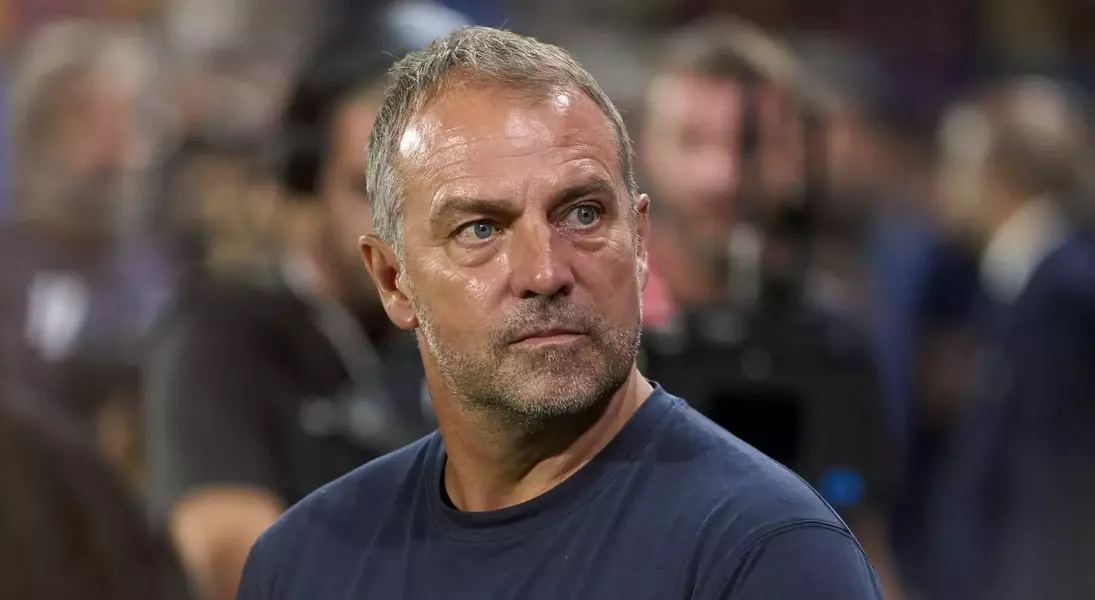
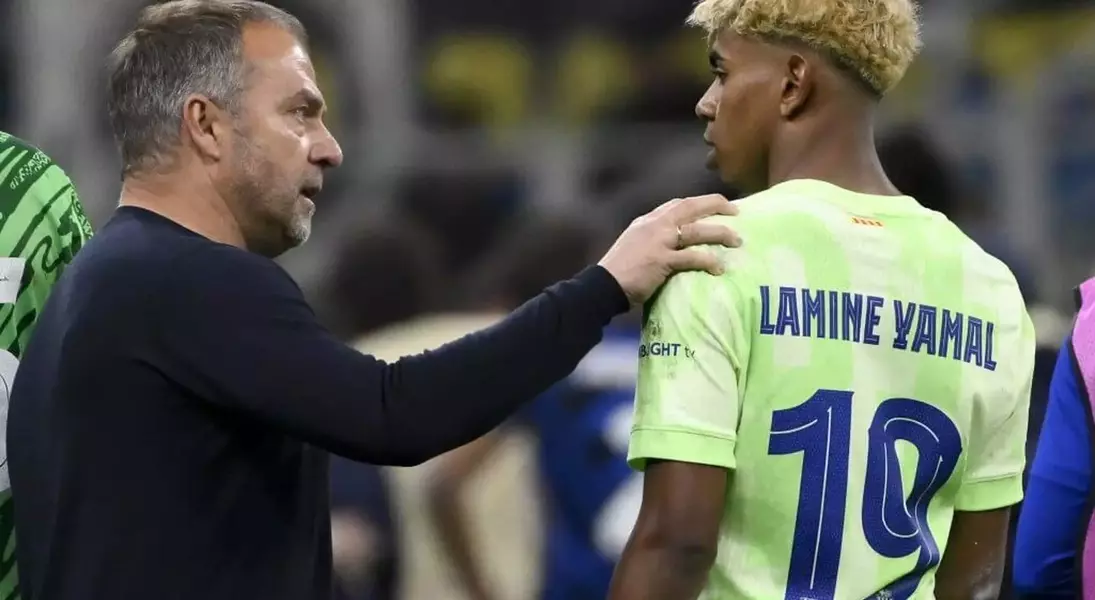
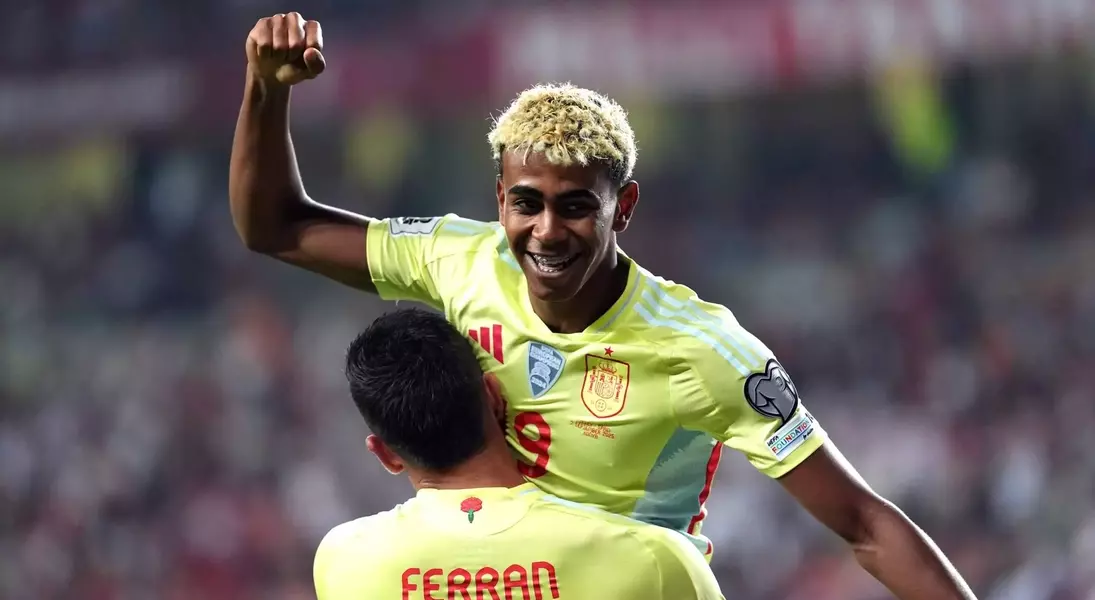
The predicament of young Lamine Yamal, caught between the demands of his club, Barcelona, and the Spanish national team, vividly illustrates the intense pressures faced by football's emerging talents. His recent injury, sustained while on international duty despite reportedly joining the national camp with a pre-existing minor issue and requiring painkillers to play, sparked a public outcry from Barcelona's coach, Hansi Flick. Flick's indignation stems from a legitimate concern that the national team's actions neglected the player's welfare, prioritizing immediate results over the long-term health of a player who only recently turned 18. This incident highlights a recurring conflict where clubs invest heavily in developing young players, only to see them potentially overused or mismanaged by national teams, leading to injuries that could have lasting consequences for their careers. The lack of transparent communication and a unified medical approach between clubs and national federations exacerbates this problem, leaving young athletes vulnerable to the cumulative effects of relentless competitive schedules.
The current setup often places young football players under immense pressure, forcing them to navigate a demanding schedule that includes both club and international commitments. This intense regimen, particularly for those still in their formative years, significantly increases the risk of injuries and potential burnout. The dispute over Lamine Yamal's injury between Barcelona and the Spanish national team exemplifies this challenge, with Barcelona's coach expressing deep frustration over the perceived lack of care for the young player's well-being. The concern is not merely about a single incident but reflects a broader pattern seen with other talents, where the immediate drive for success can overshadow the necessity of protecting a player's long-term physical health. Effective management of these budding stars requires a concerted effort from all stakeholders—clubs, national teams, and medical staff—to prioritize player health, implement robust monitoring systems, and foster open communication to prevent similar situations from jeopardizing promising careers.
Learning from the Past: The Lessons of Pedri and Ansu Fati
The experiences of Pedri and Ansu Fati serve as cautionary tales, reinforcing Hansi Flick's concerns about the potential pitfalls of overexerting young footballers. Pedri, who played an astonishing 73 matches across various competitions for club and country in a single season at just 18 years old, subsequently faced a debilitating series of muscular injuries that sidelined him for 85 games over the next three seasons. This excessive workload undeniably hampered his development and prevented him from reaching his full potential earlier. Similarly, Ansu Fati, once hailed as Lionel Messi's successor, suffered a severe meniscus tear at 18. His recovery was reportedly rushed, leading to a subsequent hamstring tear and a struggle to regain his peak form, even after multiple surgeries and loan spells. These cases underscore the critical need for a more cautious and coordinated approach to managing young talents, ensuring that their physical development is not sacrificed for short-term gains. Flick's 'no-risk' policy is a direct response to these past lessons, aiming to prevent Lamine Yamal from following a similar trajectory of injury-plagued seasons.
The career trajectories of Pedri and Ansu Fati offer poignant lessons on the critical importance of prudent player management, particularly for young, burgeoning football talents. Pedri's experience highlights the severe repercussions of an overloaded schedule, as his exceptional involvement in numerous matches at a tender age directly preceded a prolonged battle with muscular injuries. This period significantly impeded his ability to consistently perform at his highest level, underscoring the delicate balance required to nurture young athletes without compromising their long-term health. Ansu Fati's journey further illustrates the dangers of a rushed return from injury, where the pressure to play led to further setbacks and a struggle to reclaim his initial promise. These historical examples serve as a stark reminder to clubs and national federations about the enduring impact of early career mismanagement. They advocate for a more holistic approach to player development that emphasizes strategic rest, careful injury rehabilitation, and a comprehensive understanding of each player's physical limits. Adopting such a protective strategy is crucial to preventing the premature erosion of talent and ensuring that football's next generation can enjoy sustained and impactful careers.
