
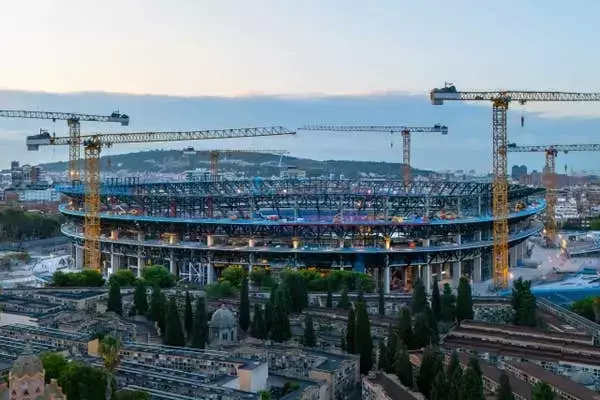
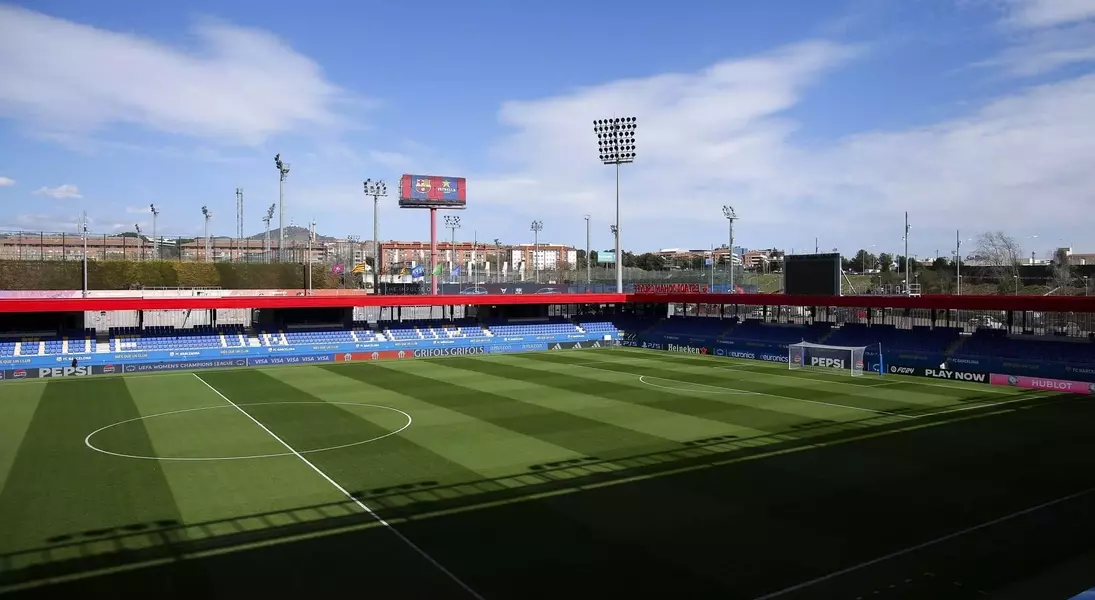

FC Barcelona is currently facing significant challenges regarding its home stadium, as the ambitious renovation of the iconic Camp Nou has encountered repeated delays. This situation has forced the club to play its crucial opening La Liga match against Valencia at the much smaller Estadi Johan Cruyff, a venue typically used by its reserve and women's teams. This unexpected shift has raised questions about where the Spanish champions will host their subsequent home games throughout the season, creating considerable uncertainty for players, staff, and fans alike. The ongoing issues stem from a complex interplay of construction setbacks, licensing hurdles, and the club's own strategic decisions, casting a shadow over Barcelona's operational stability and financial projections.
Football Club Barcelona's Ongoing Stadium Predicament
On Tuesday evening, September 10, 2025, just five days before their scheduled La Liga fixture against Valencia, FC Barcelona officially announced that the match would be held at the Estadi Johan Cruyff. This decision marks another delay in the club's return to its spiritual home, the Camp Nou, which is undergoing an extensive €1.5 billion renovation. Initially, the club had hoped to re-enter a partially completed Camp Nou by November 2024 to coincide with its 125th-anniversary celebrations, but this and subsequent targets have been missed. The Estadi Johan Cruyff, with a mere 6,000-seat capacity, falls far short of the standard requirements for La Liga matches, which typically demand a minimum of 8,000 seats. However, La Liga regulations permit exceptions for 'architectural reasons,' a loophole being utilized due to the incomplete state of Camp Nou.
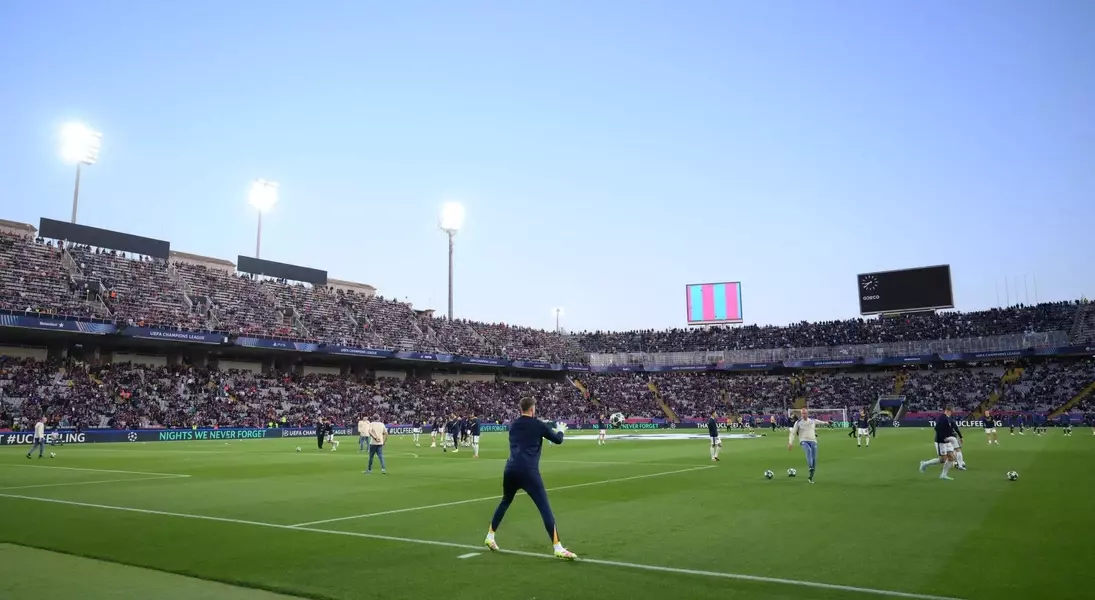
The current situation leaves Barcelona with limited options for future home fixtures. While the club's vice-president, Elena Fort, has expressed confidence in resolving bureaucratic hurdles for a Camp Nou return, she could not guarantee its availability even for the next home game against Getafe on September 21. For the past two seasons, Barcelona had utilized the 55,000-capacity Estadi Olímpic Lluís Companys on Montjuic as their temporary home. Although this venue was unavailable for the Valencia match due to a concert, recent discussions with the Barcelona city council indicate it remains a potential 'Plan B' for the rest of the season. Club sources maintain their primary goal is to return to the Camp Nou as soon as possible, viewing Montjuic as merely a fallback. Compounding the issue, if neither Camp Nou nor Montjuic becomes viable, the Estadi Johan Cruyff would again be considered, despite its scheduling conflicts with the club's reserve teams.
Financially, the stadium instability is proving costly for Barcelona. The club estimated a loss of approximately €90 million per season by playing away from Camp Nou, a figure potentially conservative given the disappointing attendance at their temporary home. The uncertainty has also impacted season ticket sales, which traditionally begin in early June but have yet to commence for the current season. Furthermore, the club's transfer market activities in summer 2025 were hampered, as a plan to raise €100 million by selling future VIP box revenues, intended to boost their La Liga salary limit, did not materialize, forcing creative solutions for player registrations. The extensive delays in the Camp Nou rebuild are attributed to various factors, including problems securing necessary permits, complaints from local residents regarding noise and light pollution, concerns over workers' rights, and supply chain disruptions exacerbated by global events. The protracted timeline and lack of definitive dates for the Camp Nou's full operational status underscore a period of considerable improvisation and short-term decision-making at the club's highest levels.
This ongoing stadium dilemma for FC Barcelona highlights the precarious nature of large-scale infrastructure projects, even for global sporting powerhouses. It underscores the critical importance of meticulous planning, transparent communication, and realistic timelines in major developments. For a club whose identity is so deeply intertwined with its stadium, the current displacement not only affects match-day logistics and finances but also risks alienating its loyal fanbase and potentially impacting team morale. The situation serves as a stark reminder that even the most celebrated institutions are not immune to the complexities and unforeseen challenges inherent in massive urban development, and that the consequences of such delays can reverberate far beyond the construction site, affecting every facet of an organization.
