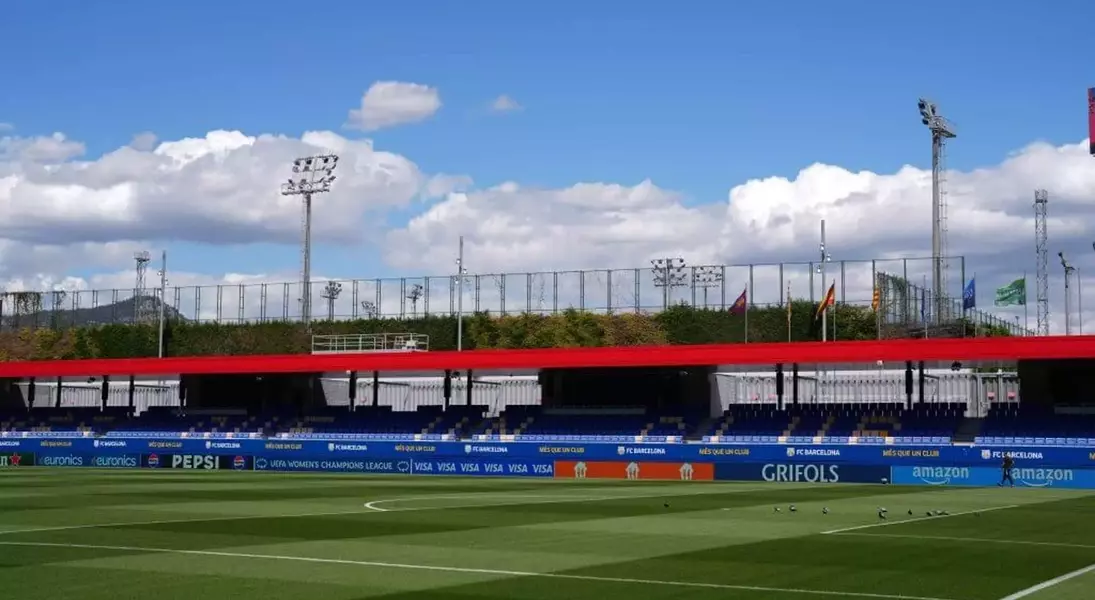
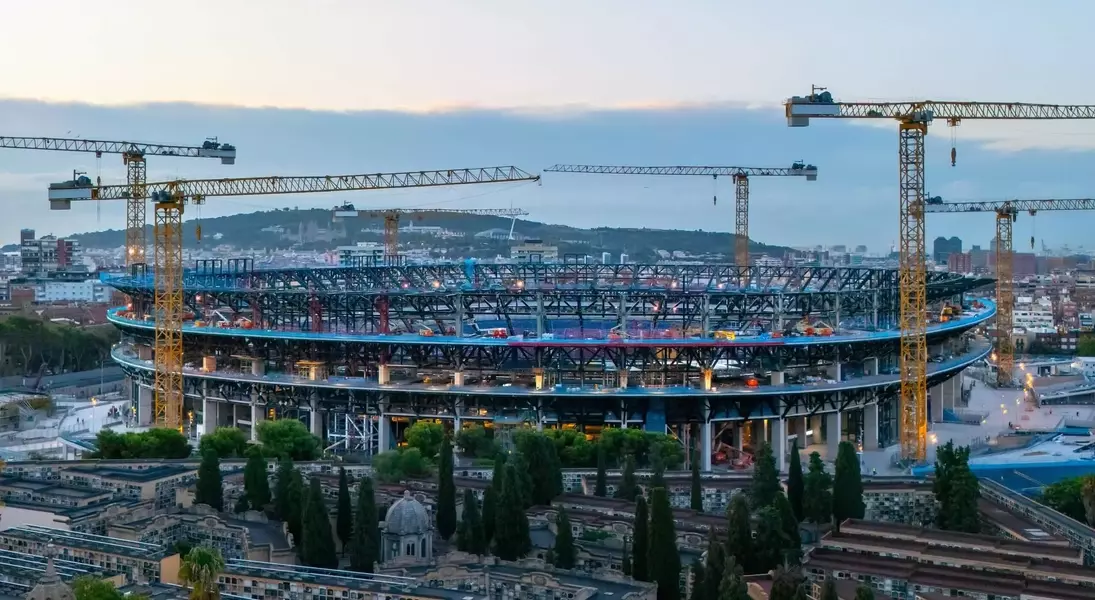
Barcelona's men's senior team is set to play a La Liga fixture at the Estadi Johan Cruyff, a 6,000-capacity stadium primarily used by the club's reserve, women's, and youth teams. This unusual arrangement is necessitated by the ongoing renovations at Camp Nou, which is not yet ready for their return, and the unavailability of the larger Montjuic ground. The Estadi Johan Cruyff, inaugurated in 2019, holds significant historical value for the club, being named after the iconic Johan Cruyff, whose legacy profoundly shaped Barcelona's football philosophy. The stadium has been the scene of numerous historic moments, particularly for the Barcelona Femeni team, one of the world's best women's teams, who have achieved remarkable success there, including multiple Champions League titles and Spanish league championships. Despite its smaller size and the need for temporary VAR installations to meet La Liga requirements, the stadium offers a unique and intimate matchday experience, fostering a family-friendly atmosphere that has become characteristic of games held there.
The decision to host a senior men's team match at the Estadi Johan Cruyff highlights the club's current logistical challenges but also brings attention to a venue deeply rooted in Barcelona's footballing heritage. The stadium's smaller capacity means fans are much closer to the action, creating a distinct and often more personal connection to the game. This intimacy, combined with the successful history of the women's and youth teams playing there, contributes to a special matchday vibe. While it may not be the traditional grand stage of Camp Nou, the Estadi Johan Cruyff offers a unique opportunity for supporters to experience top-tier football in a more focused and engaging setting, reflecting the club's adaptability and commitment to its ongoing projects.
The Legacy and Evolution of Estadi Johan Cruyff
The Estadi Johan Cruyff, inaugurated on August 27, 2019, stands as a testament to the enduring influence of Dutch football legend Johan Cruyff. Replacing the former Miniestadi, this modern venue, situated near Barcelona's training grounds in Sant Joan Despi, was dedicated to Cruyff, who served the club both as a player and a highly successful manager. His innovative footballing philosophies, which led Barcelona to their first European Cup and multiple La Liga titles, continue to shape the club's identity. The opening ceremony itself was a celebration of Catalan and Barca culture, featuring traditional festivities. Since its inception, the stadium has become a hub for the club's development teams, including the reserve, women's, and youth squads, embodying the spirit of progressive football and player development that Cruyff championed.
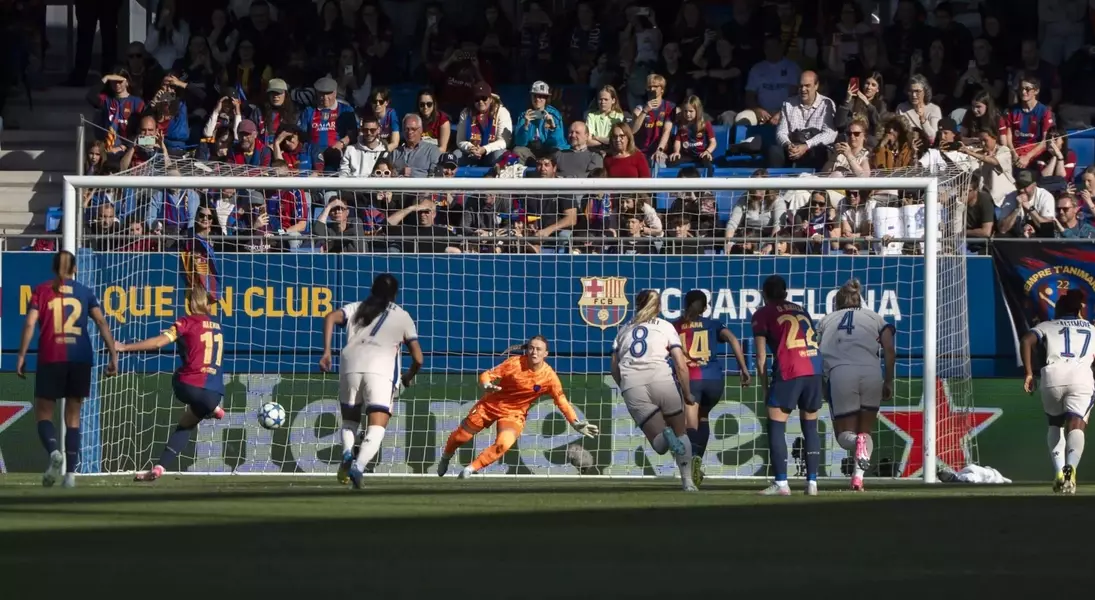
Beyond its symbolic significance, the Estadi Johan Cruyff has been a stage for remarkable sporting achievements. Notably, it has served as the home ground for Barcelona Femeni, the club's women's team, during a period of unprecedented dominance. Their consistent success in the Spanish league and multiple Champions League victories underscore the stadium's role in fostering elite-level performance. The venue has also witnessed historic moments such as the first women's 'Clasico' against Real Madrid, where Barcelona Femeni demonstrated their superiority with a resounding victory. The men's under-19 team has also celebrated significant triumphs here, including a league, UEFA Youth League, and Spanish youth cup treble. These events collectively highlight the stadium's importance not just as a training and development facility, but as a venue where history is made and future stars are forged, all while honoring the legacy of its namesake.
Navigating Capacity and Atmosphere at Barcelona's Temporary Venue
With a seating capacity of 6,000, the Estadi Johan Cruyff falls below La Liga's standard minimum requirement of 8,000 for hosting league matches. However, the league regulations allow for exceptions based on "architectural, technical, or historical reasons," a clause that Barcelona successfully invoked due to the ongoing renovation work at Camp Nou. This means that for the upcoming fixture against Valencia, temporary VAR technology will need to be installed to meet the league's operational standards. While unusual for a top-tier men's match, playing in a smaller venue offers a more concentrated and intense atmosphere. Historical precedents exist, such as Real Madrid playing at the Estadio Alfredo Di Stefano during the pandemic without spectators, and other clubs like SD Huesca and SD Eibar previously hosting La Liga games in similarly sized stadiums, demonstrating that capacity can be flexible under specific circumstances.
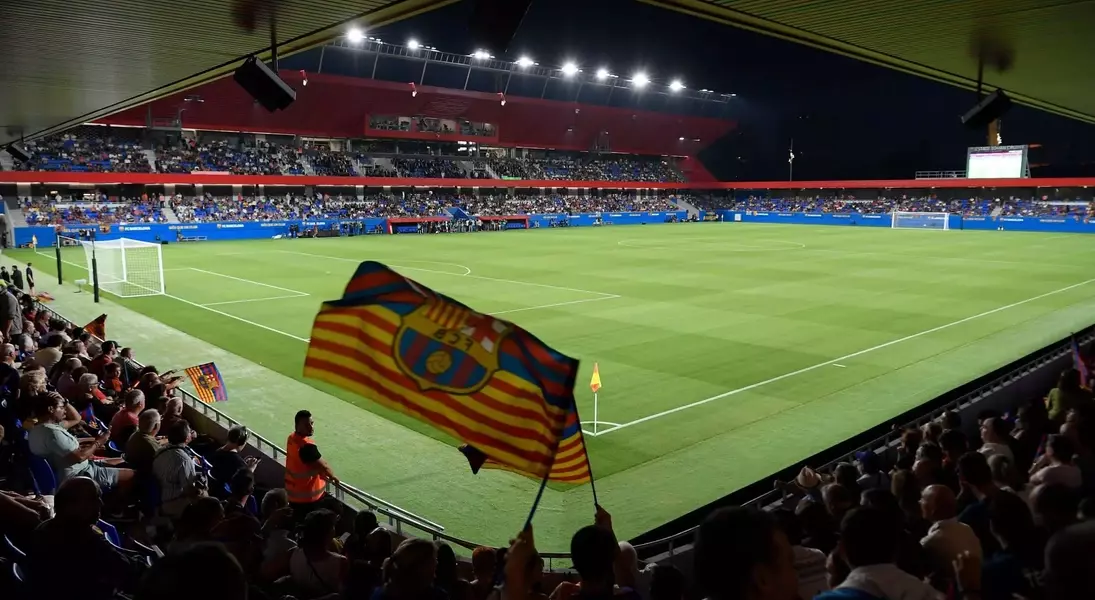
The matchday atmosphere at the Estadi Johan Cruyff is distinctly different from larger arenas. Its design, with mostly single-tier stands, brings spectators much closer to the pitch, fostering a more intimate connection between the fans and the players. This proximity often leads to a more palpable energy, where every cheer and gasp resonates more directly. The stadium's regular use by the women's and youth teams has cultivated a family-friendly environment, characterized by enthusiastic and supportive fan engagement. A memorable example of this unique atmosphere occurred during a Women's Champions League semifinal, where fans instinctively hushed their drumming at a player's request, demonstrating a profound respect and focus on the game. While the experience may differ from the grandeur of Camp Nou, the Estadi Johan Cruyff offers a unique, personal, and vibrant setting, proving that a smaller venue can still deliver a compelling and memorable football experience for both players and supporters.
