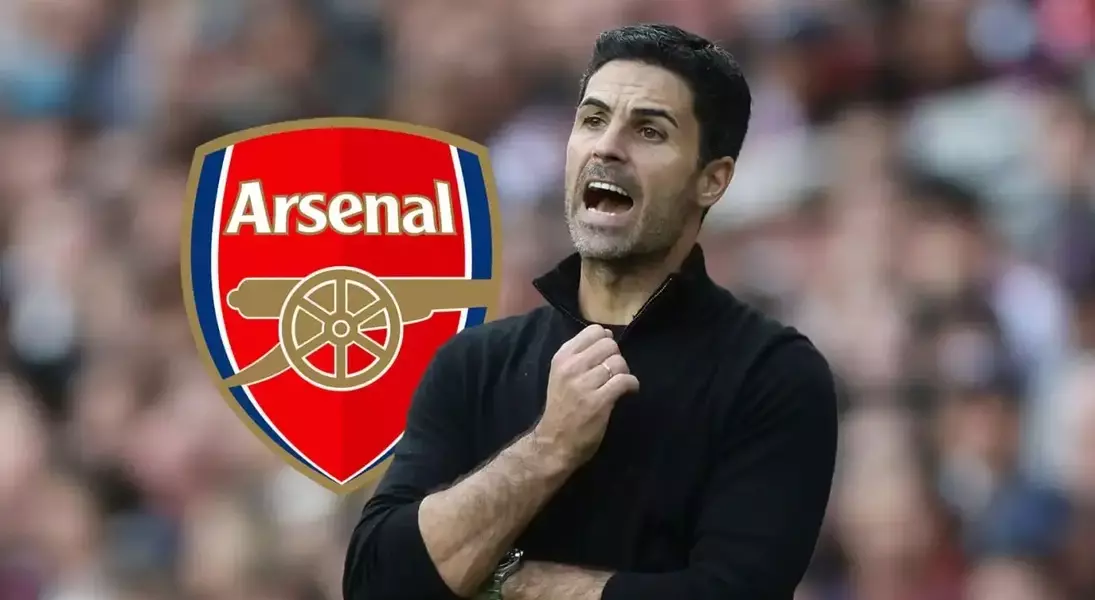
Mikel Arteta's leadership at Arsenal is under intense scrutiny, particularly his strategy of player rotation, despite the team's strong start to the Premier League season. Critics argue that resting key players like Declan Rice, even in a dominant win, could undermine their title aspirations. However, a deeper analysis reveals that Arteta's approach is a calculated effort to manage player workload, integrate new talent, and build a resilient squad capable of navigating a demanding schedule and unforeseen setbacks. This proactive management style aims to prevent the fatigue and injuries that have hampered past campaigns, ensuring the team maintains peak performance throughout the season.
The debate surrounding Arteta's tactical decisions highlights the contrasting philosophies in football management. While some prioritize fielding the strongest XI at all times, others emphasize the importance of squad depth and rotation for sustained success. Arsenal's recent victory, achieved with important players rested and others sidelined due to injury, underscores the effectiveness of Arteta's long-term vision. This approach not only keeps the entire squad engaged and match-fit but also showcases the club's successful transfer dealings, which have provided the necessary quality and versatility to implement such strategies. Ultimately, the season's outcome will be the true test of Arteta's bold management choices.
Arteta's Bold Rotation Strategy and Its Critics
Mikel Arteta, the manager of Arsenal, has faced significant criticism for his player rotation strategy, notably his decision to rest Declan Rice during a recent match. Despite Arsenal's commanding victory over Nottingham Forest, which propelled them to the top of the Premier League table after four games, certain pundits, including Richard Keys, have vocally expressed concerns that such decisions could ultimately cost Arsenal the league title. Keys argued that resting a pivotal player like Rice in the early stages of the season is a misstep, suggesting that teams should leverage all available talent to establish dominance and make a strong statement from the outset. This perspective implies a belief in consistently fielding the strongest possible lineup to maximize immediate results, rather than prioritizing player conservation.
Arteta's defense of his rotation policy centers on the necessity of managing player workload across multiple competitions and preventing burnout, an issue he has previously been criticized for. He explained that resting Rice was part of a broader strategy to ensure players remain fresh and to foster balance and cohesion among the squad, especially with the integration of new signings and existing "very good players." This approach, which also saw Mikel Merino, a high-performing international, start in midfield, is framed as "good management." It contrasts sharply with the alternative of overworking a core group of players until they become exhausted or injured, potentially leading to a decline in performance and morale later in the season. The successful result against Nottingham Forest, achieved even with key players like Bukayo Saka and William Saliba also absent due to injury, serves as a testament to the depth and resilience of the squad Arteta and Andrea Berta have cultivated through strategic transfers, affirming the wisdom behind the rotation.
Squad Depth: Arsenal's Key to Sustained Success
The strategic acquisition and development of a deep and versatile squad under Mikel Arteta and Andrea Berta have emerged as a critical factor in Arsenal's early season success and their long-term aspirations for the Premier League title. The ability to rest star players like Declan Rice, or cope with injuries to integral figures such as Bukayo Saka and William Saliba, without a significant drop in performance, underscores the effectiveness of their transfer policy and squad planning. New signings like Martin Zubimendi and Viktor Gyokeres have immediately contributed with goals, while others like Eberechi Eze and Noni Madueke have showcased their excellence, demonstrating that the team's quality extends beyond the starting eleven. This robust squad depth allows Arteta the flexibility to rotate players, keeping the entire roster engaged and physically prepared for the rigors of a demanding season across various competitions, thereby mitigating the risks of fatigue and injury that can derail title challenges.
This deliberate cultivation of squad depth provides a stark contrast to teams lacking similar resources, as exemplified by Enzo Maresca's struggles with squad limitations, which were evident in Chelsea's draw against Brentford. For Arsenal, having a strong bench and capable replacements ensures that tactical flexibility is maintained, and competitive standards remain high regardless of player availability. While some critics may question individual selection choices, the broader strategic intent behind Arteta's management, focusing on sustained performance through judicious use of the entire squad, appears to be a well-founded approach. Achieving consecutive top-two finishes and contending for the title necessitates such foresight and planning. The strong start to the season, characterized by comfortable victories and the efficient integration of new talent, suggests that Arsenal is building a resilient framework designed for long-term success, prioritizing the collective strength and longevity of the team over the reliance on a few key individuals.
