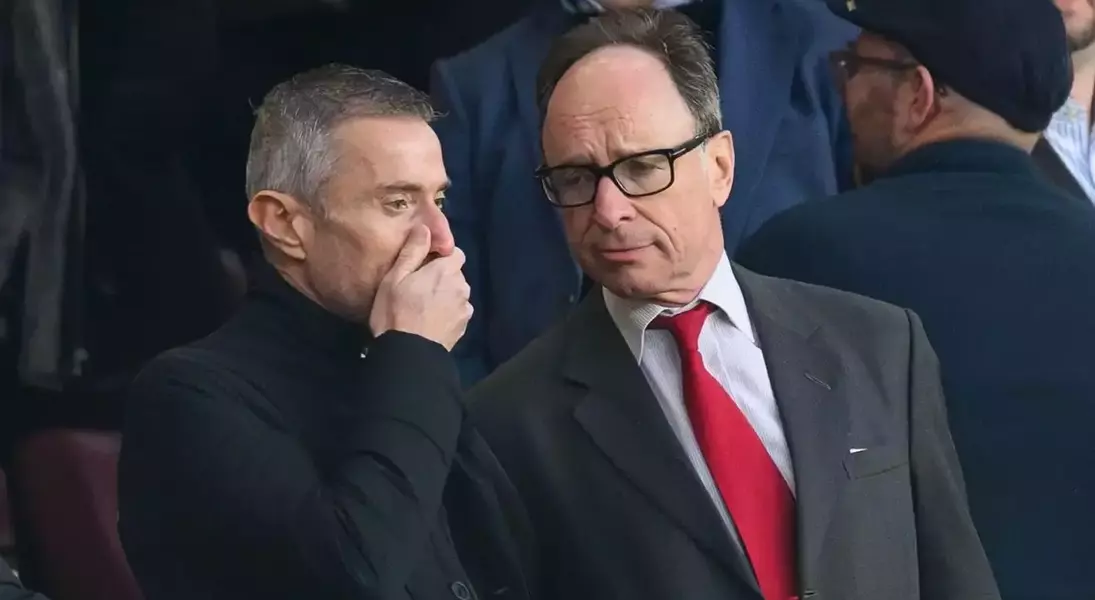
Arsenal's transfer activities this summer have been significantly shaped by the strategic vision of sporting director Andrea Berta, whose decisions, particularly regarding goalkeepers, underscore a calculated approach to squad enhancement. This period of investment, overseen by Mikel Arteta, signals a determined push to reclaim Premier League glory after more than two decades. However, the path to success remains challenging, as evidenced by recent match outcomes and critiques of the team's on-field performance, highlighting the ongoing need for tactical refinement and consistency.
The club's extensive recruitment drive saw eight new players join the ranks, reflecting a clear intent to elevate Arsenal's competitive standing. While the focus has been on strengthening key areas, the team's playing philosophy has become a talking point, inviting both scrutiny and debate among football pundits and fans alike.
Strategic Acquisitions and Leadership's Vision
Arsenal's summer transfer window witnessed a concerted effort to fortify the squad, with sporting director Andrea Berta at the helm of key decisions. A notable instance of his influence was the preference for acquiring Kepa Arrizabalaga for £5 million, a move reportedly favored over pursuing Joan Garcia, who ultimately joined Barcelona. This strategic shift highlights Berta's assertive role in shaping Arsenal's recruitment, aiming to bring in players who align with Mikel Arteta's vision for ending the club's long-standing Premier League title drought, which stretches back 22 years. The significant investment in eight new talents, including Martin Zubimendi and Christian Norgaard, underscores a determined commitment from the club's board to support Arteta in his quest for championship success.
The strategic choices made during the transfer period reflect a deeper plan to inject both fresh talent and seasoned experience into the team. Berta's insistence on securing an 'oven-ready' and experienced replacement for Thomas Partey, leading to the signing of 31-year-old Norgaard, exemplifies a pragmatic approach to immediate team needs. Such decisions are crucial in building a robust squad capable of competing at the highest level. The acquisitions, ranging from goalkeeping strength with Kepa to midfield solidity and attacking flair with players like Eberechi Eze and Viktor Gyokeres, are all geared towards creating a more formidable and competitive Arsenal side, poised to challenge for top honors in the upcoming season and beyond.
Performance and Public Discourse
Despite the substantial investment and strategic player acquisitions, Arsenal's recent performances have sparked considerable debate and criticism, particularly concerning their playing style. Following a narrow 1-0 defeat to Liverpool, a match decided by a brilliant free-kick from Dominik Szoboszlai, the Gunners faced harsh words from football pundits. Manchester United legend Peter Schmeichel notably described Arsenal's brand of football as 'ugly' and 'annoying to watch,' asserting that it primarily aims to exploit opponents through set pieces rather than fostering dynamic play. These comments underscore a growing concern among observers regarding the team's aesthetic appeal and offensive creativity, even as they strive for results.
Further compounding the criticism, another Manchester United icon, Gary Neville, urged Mikel Arteta to encourage more 'risk' and 'courage' in Arsenal's game. Neville's remarks suggest a perceived lack of attacking impetus and boldness in crucial matches, hinting that the team often plays it safe rather than fully committing to winning. This blend of tactical rigidity and a perceived lack of flair has led to a narrative that, despite their competitive standing, Arsenal's current approach might be limiting their potential and frustrating their fan base. The challenge for Arteta and the team now lies in balancing defensive solidity with an engaging, risk-taking offensive strategy that can consistently deliver both victories and entertainment.
