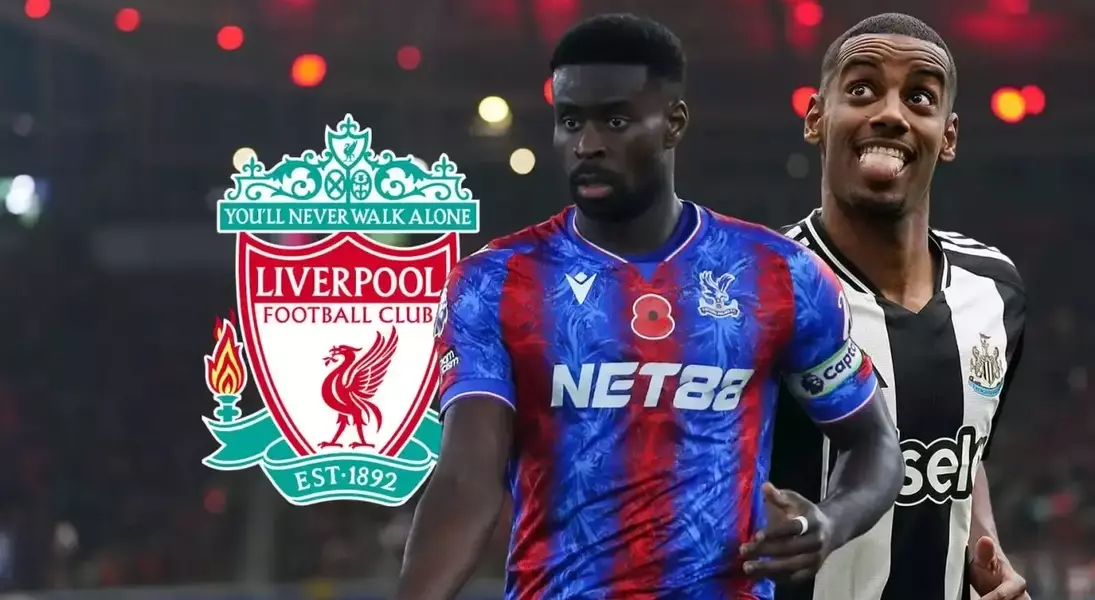
Recent transfer activities at major football clubs have ignited passionate debates among fans, particularly concerning Liverpool's strategic decisions in the market. The focal point of these discussions revolves around the choice to bring in Alexander Isak instead of Marc Guehi, prompting widespread analysis of its implications for the team's defensive and offensive capabilities. Beyond individual player assessments, a significant portion of the conversation addresses the perennial 'net spend' narrative, with supporters and critics alike scrutinizing Liverpool's financial approach compared to their Premier League counterparts. These exchanges highlight the intricate balance clubs must strike between acquiring talent, managing finances, and meeting the demanding expectations of their fanbase for sustained success.
A critical examination of Liverpool's transfer policy reveals a nuanced landscape, where opinions diverge sharply on whether the club made the optimal choices this summer. One recurring theme among supporters is the 'glass half-empty' perspective, anticipating potential pitfalls even amidst significant investment. The decision to prioritize an attacking talent like Alexander Isak, a striker from Newcastle, over a defensive reinforcement such as Marc Guehi from Crystal Palace, has led many to ponder if the squad's most pressing needs were adequately addressed. Concerns have been raised regarding the stability of the central defense, particularly given existing players' injury records and perceived inconsistencies. Fans express a desire for greater solidity at the back, viewing a strong defensive foundation as paramount for challenging for top honors like the Champions League. The sentiment underscores a fundamental tension between bolstering attack and shoring up defense, a dilemma often faced by elite clubs.
Furthermore, the discourse extends to historical parallels, with some drawing comparisons between current acquisitions and past transfers that yielded mixed results. The signing of a high-profile striker from Newcastle, for instance, evokes memories of previous high-cost, high-expectation forwards who ultimately struggled with injuries or failed to adapt. Conversely, a less-heralded forward from a European league might be seen as a hidden gem, echoing past successes where less expensive, unproven talents flourished into world-class players. This historical lens adds another layer of complexity to the transfer debate, as fans project past outcomes onto present decisions. The discussions also delve into the dynamics of player agency and club negotiations, especially concerning players who might express a desire to move. The perceived differences in how clubs handle such situations, and how players conduct themselves, contribute to the broader narrative around fair play and contractual obligations in professional football.
The contentious topic of 'net spend' frequently resurfaces, acting as a barometer for financial prudence and competitive ambition. While Liverpool has made substantial investments this window, many fans argue that the club's overall spending history, particularly when accounting for player sales, paints a picture of fiscal responsibility rather than reckless expenditure. This contrasts sharply with rivals who have consistently outspent Liverpool yet achieved less on the field. The argument posits that success is not solely dictated by transfer fees but by effective player development, strategic recruitment, and strong team cohesion—areas where Liverpool has historically excelled. The influx of new revenue streams, such as stadium expansions and commercial growth, is cited as a legitimate means to fund new signings without resorting to unsustainable spending. This perspective challenges the notion that increased spending automatically mandates immediate trophy success, emphasizing that sustained competitiveness is built on more than just financial outlay.
