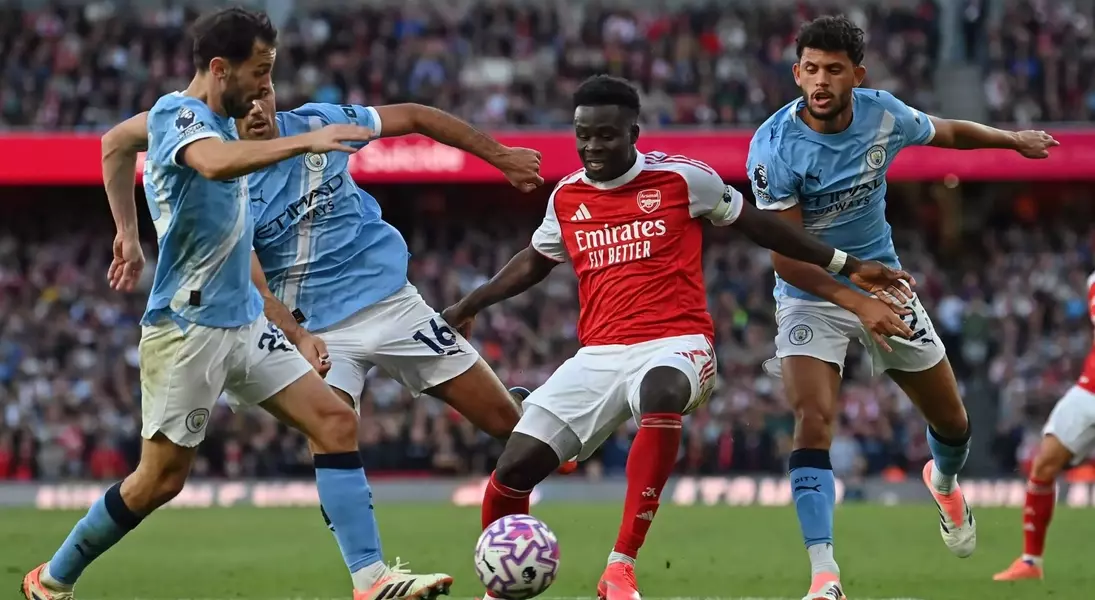
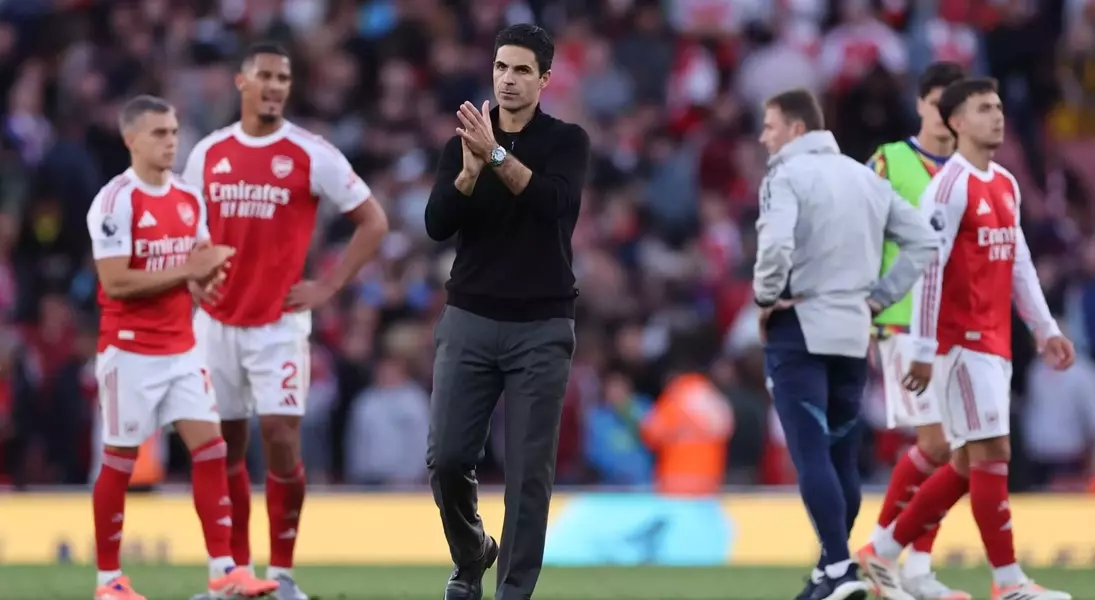
Arsenal is currently navigating a pivotal phase of transformation, with manager Mikel Arteta actively reshaping the squad. The recent 1-1 draw against Manchester City underscored the team's ongoing quest to solidify its playing style and integrate new players. This period of evolution presents both challenges and opportunities as Arsenal strives to establish a cohesive and winning formula.
Arsenal's Tactical Evolution Under Arteta: A Detailed Report
On Sunday evening, September 21, 2025, at the Emirates Stadium in London, Arsenal faced Manchester City in a highly anticipated Premier League clash. The game concluded in a 1-1 draw, a result that, in the words of a relieved Arsenal fan, felt like a "no-lose game." The stakes were palpable for both teams, setting a tense atmosphere throughout the match. Both managers, Pep Guardiola and Mikel Arteta, employed uncharacteristic strategies to avoid a damaging defeat.
Guardiola, typically known for his expansive play, opted for a more defensive approach with a deep block. Meanwhile, Arteta, in a rare move for his nearly six-year tenure, made a double substitution at halftime. He continued to introduce offensive players, and it was the brilliant coordination between two of these late reinforcements that led to a dramatic equalizer in stoppage time.
Initially, Arsenal's starting lineup appeared cautious. However, Arteta's subsequent tactical adjustments showcased his willingness to take risks, pushing his team further up the pitch. The field was flooded with forwards, relentlessly probing Manchester City's formidable defensive line for any opening.
The immediate aftermath of the draw was not the time for definitive statements about a new era. Yet, it raised questions about whether Arteta, the pragmatist, was embracing a more audacious philosophy. While he seemed somewhat defensive when questioned about his team selection and changes, the emotional intensity of the match gave way to a deeper reflection on how to implement bold, innovative strategies.
With nine new faces joining the first-team squad this season—eight new signings and the promotion of academy product Max Dowman—Arsenal is essentially undergoing a redesign while competing at the highest level. This is a demanding task, akin to learning a synchronized swimming routine with strangers in the deep end, especially when facing elite opponents like Liverpool and Manchester City. There is no luxury of time to gradually work things out in the fiercely competitive environment of the Premier League.
Interestingly, it's not just the new players who are adapting to Arsenal's evolving system. Just as new players need time to understand the manager's expectations, the manager also needs time to discern each player's needs and how to best utilize their talents. The upcoming matches will provide further insights into how players blend together and express themselves on the field.
For instance, the deployment of Eberechi Eze as a central playmaker, a role he undertook against City, might not have been the initial plan when he was acquired from Crystal Palace last month. However, circumstances dictated this experiment. Arteta's preferred midfield trio of Martin Zubimendi, Declan Rice, and Mikel Merino, which started three recent major matches, warrants further examination regarding its balance of characteristics. When Eze replaced Merino, a better equilibrium between control and creativity was evident. When asked about this possibility, Arteta simply quipped, "Yes, that's why he played in that position. We’re using him in different spaces."
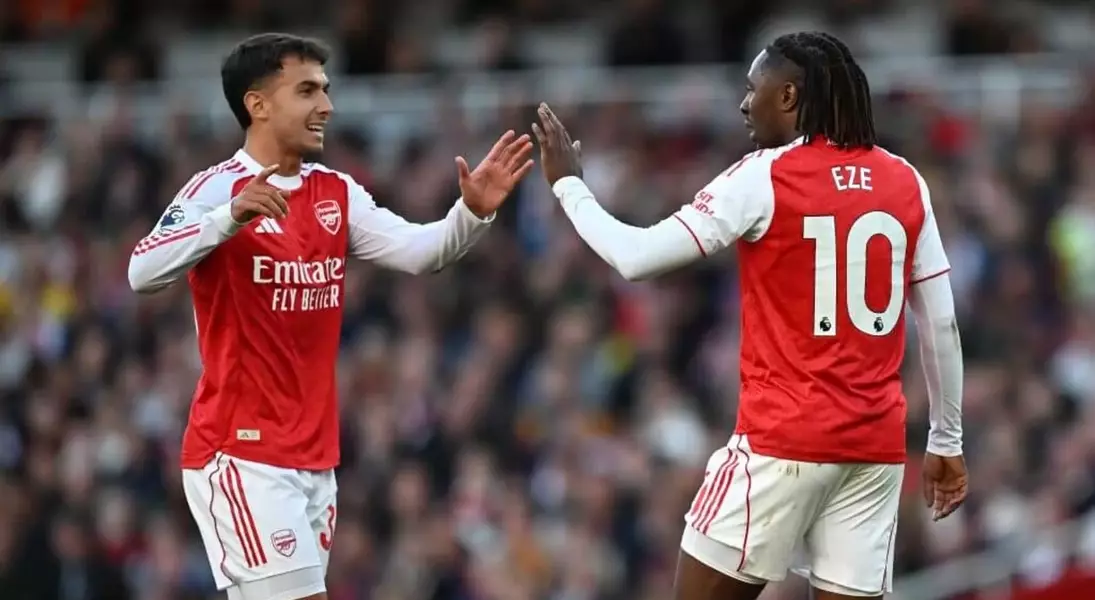
Eze's seemingly casual yet perfectly executed floated pass to Gabriel Martinelli set up Arsenal's equalizer in the third minute of stoppage time. Martinelli's dash and a sublime flick with the outside of his boot, lofting the ball over a helpless Gianluigi Donnarumma, was a moment of exquisite skill.
It's tempting to draw immediate conclusions: Eze appears comfortable in a No. 10 role, and Martinelli has found new vigor making striker-like runs from the center of the pitch, a departure from his previous wide position. Furthermore, the possibility of newcomer Noni Madueke—who excelled in the first half before being substituted due to fitness concerns—and a fit-again Bukayo Saka operating as twin wingers, perhaps even switching flanks to constantly challenge opposing defenders, is intriguing. Saka's appearance on the left flank as Arsenal pressed for a goal highlights this potential. To date, these two have played less than 100 minutes together in Arsenal colors.
Another area of focus is creating more and better opportunities for Viktor Gyokeres, who found it challenging against a Manchester City defense led by Erling Haaland, a player who sets the benchmark for powerful strikers. These are all new dimensions that Arteta must analyze as he seeks to refine his enhanced team.
The expanded options at his disposal mean Arteta faces significant decisions not only regarding his starting lineup but also crucial in-game strategic choices. He reflected on this, stating, "Well, there’s a lot of factors. The first one is their performance level at the emotional state that they are in. And after that is what we believe is the best thing in relation to the opponent and the type of game. And after that, there is also chemistry and relationships that make each other better, and we’re going to need to understand it."
The upcoming week offers valuable opportunities for experimentation, particularly with players selected for the Carabao Cup match against third-tier Port Vale on Wednesday. This will be followed by a significant early-season test against Newcastle United at St James’ Park, a notoriously difficult venue for Arsenal. The fixture computer has presented a demanding start to the campaign, including trips to Old Trafford, Anfield, and now St James’ Park, in addition to the clash with City. There will be considerable interest in Arteta’s tactical setup for Newcastle. Ideally, he hopes to achieve results with less reliance on halftime overhauls or last-minute interventions from his "finishers."
This ongoing evolution at Arsenal under Mikel Arteta provides a fascinating case study in modern football management. The blend of new talent with established players, coupled with tactical flexibility, highlights the dynamic nature of building a competitive team. The pressure to perform while simultaneously redefining identity is immense, yet Arteta's willingness to adapt and experiment suggests a progressive approach. The coming weeks will be crucial in determining the efficacy of these changes and whether Arsenal can truly establish a cohesive and dominant presence in the Premier League. It underscores the idea that success in football often hinges on a manager's ability to not only identify and acquire talent but also to seamlessly integrate it into a constantly evolving tactical framework.
