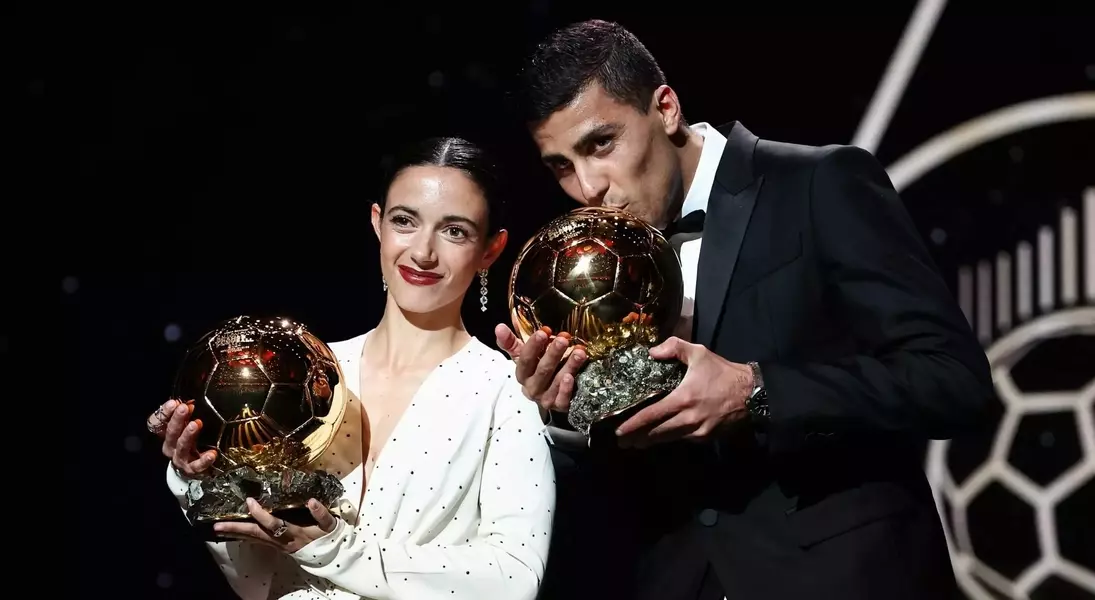
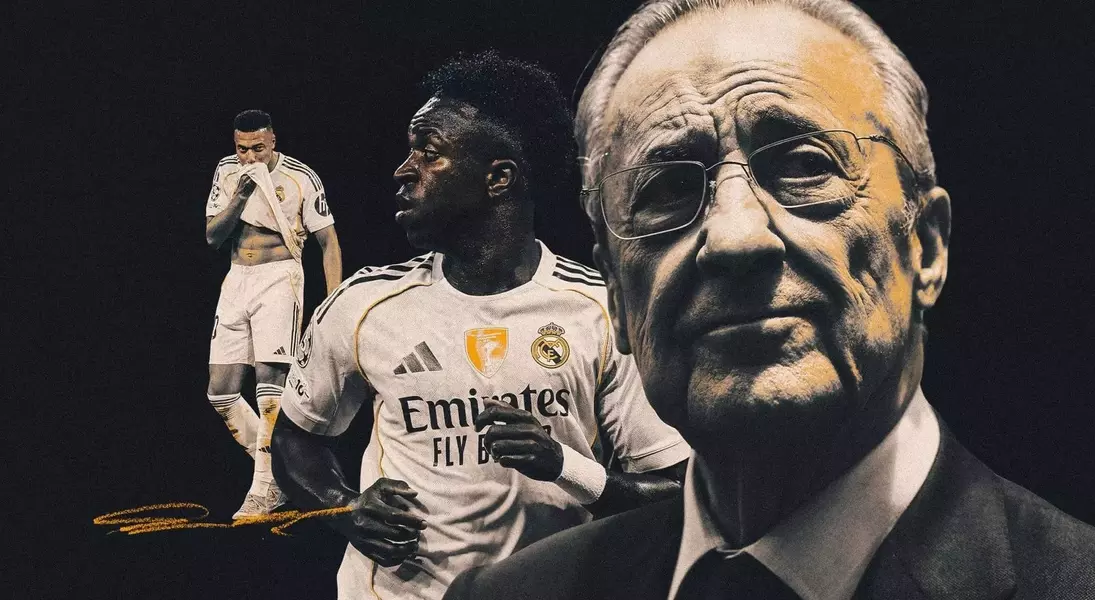
Real Madrid has consistently opted not to participate in the prestigious Ballon d'Or awards ceremony, a decision largely driven by the club's powerful president, Florentino Perez. This stance, which has caused internal division and frustration among staff, reflects a broader 'siege mentality' within the club. Perez's centralized control over all club operations, from football matters to communication, means that every significant decision, including the boycott, originates from him. The club's refusal to acknowledge the awards, even when its players are nominated or win, is seen as a political statement, fueled by a belief that external forces, particularly UEFA and other football organizations, are inherently 'anti-Madridista.' This narrative is actively promoted through Real Madrid's official media channels, serving to galvanize fan support and deflect criticism during periods of poor team performance, despite the potential damage to the club's international image.
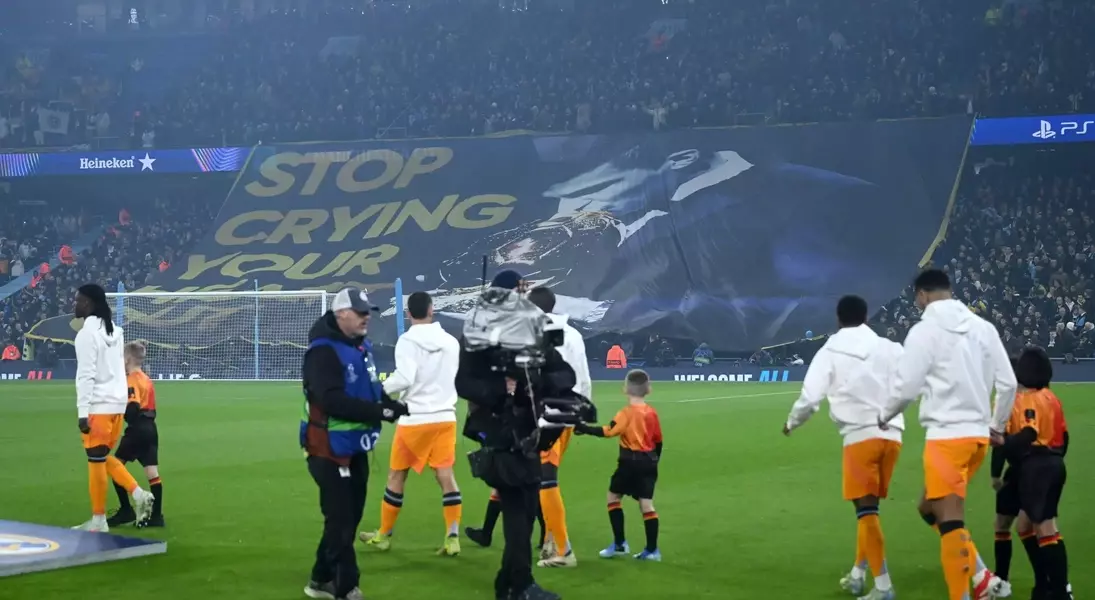
This ongoing boycott is rooted in a perception of constant opposition from outside entities, a view held by many long-serving staff members, especially within the communications department. The club's television channel, RMTV, plays a crucial role in disseminating this message, framing perceived rivals and critics, such as Spanish referees or the Barcelona president, as adversaries. This media strategy, while not directly scripted by Perez, aligns with his overarching political objectives, including maintaining support for the European Super League project and navigating power struggles with La Liga. While these internal battles and media campaigns are designed to protect the club's interests and unite its fanbase, they also contribute to an environment of tension and paranoia that can be taxing for players, coaches, and staff, potentially harming the club's reputation beyond its immediate sphere of influence.
Florentino Perez's Centralized Control and the 'Siege Mentality'
Real Madrid's repeated absence from the Ballon d'Or awards, a significant event in global football, is directly attributable to the directives of its president, Florentino Perez. This decision, which was met with surprise and internal disapproval, particularly last year when numerous staff were prepared to attend, underscores Perez's absolute authority within the club. His extensive power, spanning over two decades, allows him to dictate policies across all departments, from sporting decisions to commercial strategies. Insiders suggest this reflects a deep-seated belief within Madrid's leadership that the football world is divided between those who support the club and those who oppose it, leading to a confrontational approach towards external institutions like UEFA and the Ballon d'Or organizers.
This 'siege mentality' is reinforced through the club's media outlets, which actively frame narratives of victimhood and external conspiracies. The objective is to maintain a unified front among the fanbase and to divert attention during challenging periods, such as poor on-field results. The club's leadership perceives its critics as 'anti-Madridistas,' and this perspective dictates the editorial line of its official media channels. While this strategy successfully consolidates power and support within the club's immediate sphere, it risks alienating a broader international audience and potentially damaging Real Madrid's image on the global stage. The consistent boycott, therefore, is not merely about an award but is a manifestation of a deeply ingrained political and strategic philosophy under Perez's leadership.
The Impact of the Boycott: Internal Discord and Public Perception
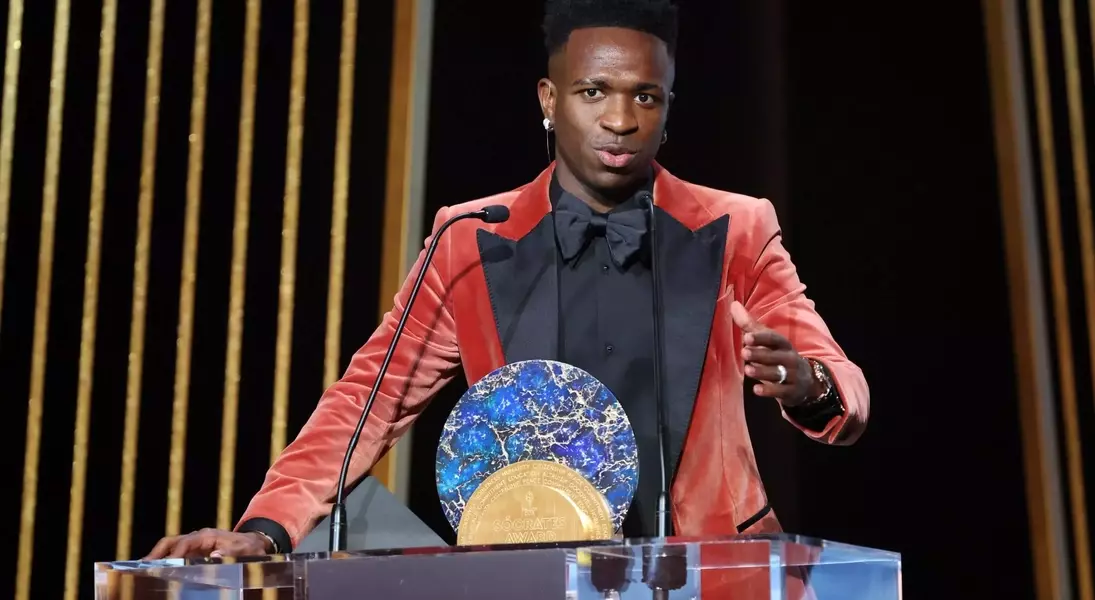
The boycott of the Ballon d'Or ceremony, though a strategic move by Florentino Perez, has generated considerable internal dissatisfaction among Real Madrid staff, particularly those involved in public relations and commercial partnerships. Many view the sudden withdrawal as a public relations misstep, hindering efforts to enhance the club's global image and engage with sponsors. The timing of last year's boycott, occurring shortly after a significant defeat, further exacerbated frustrations, suggesting that the decision was also a tactic to shift focus from the team's performance. While individual nominations are a source of pride and global exposure for players, the club's refusal to acknowledge these achievements publicly diminishes their significance and the opportunities they present.
Despite the club's robust on-field success and financial growth under Perez, the persistent adversarial stance against external bodies like La Liga, UEFA, and France Football creates an environment of tension and paranoia. This constant struggle, while perhaps uniting the 'Madridista' faithful, risks alienating those outside this bubble and eroding the club's broader appeal. The long-term consequences of this policy are a subject of debate among former players and agents, who argue that continuously fighting against the world does not serve the club's best interests. Ultimately, while the team's performance may remain unaffected, the damage to Real Madrid's international image and the internal stress on its personnel highlight the complex and often controversial nature of its current leadership's approach.
