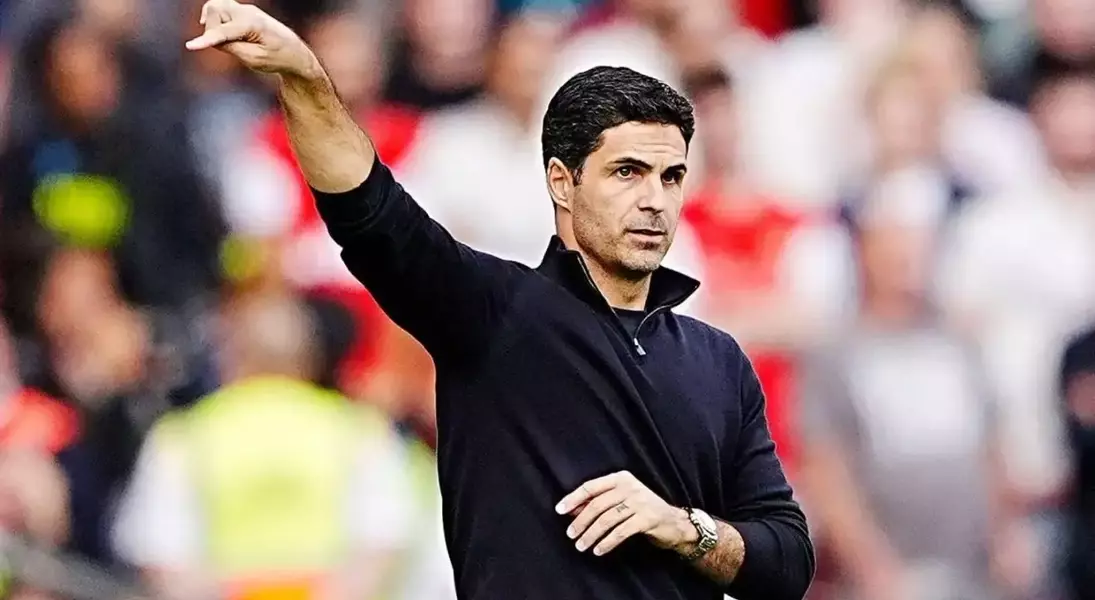
In the aftermath of Arsenal's recent 1-0 defeat against Liverpool, leading football analysts have sharply critiqued the London club's offensive output. The consensus points to a noticeable deficiency in dynamic attacking play and an excessive dependence on set-piece situations, which, according to commentators, limits their capability to consistently break down well-organised defences. This performance has reignited discussions about Arsenal's strategic approach under their current manager and their prospects in top-tier competitions.
The match itself, which saw Liverpool claim victory through a stunning long-range free-kick by Dominik Szoboszlai, highlighted a cautious tactical display from both sides. While Liverpool demonstrated their championship pedigree by securing a win despite not dominating possession, Arsenal's reluctance to embrace risks in their attacking third proved costly. This defensive solidity, while commendable, did not translate into an effective offensive output, leaving the team vulnerable to moments of individual brilliance from their opponents.
Renowned Sky Sports pundits, Jamie Carragher and Roy Keane, were particularly vocal in their assessment. Carragher, a former Liverpool defender, argued that Arsenal's primary issue has never been goal-scoring ability but rather a profound lack of creative impetus. He emphasized that the statistics, including expected goals (xG), clearly indicate a reliance on set plays and a struggle to generate opportunities from fluid, open play. Carragher suggested that Arsenal must evolve their approach, becoming more proactive and inventive with the ball to truly challenge for top honors.
Echoing these sentiments, former Manchester United captain Roy Keane urged Arsenal to introduce more spontaneity and unpredictability into their game. While acknowledging their strong defensive record and proficiency from set pieces, Keane stressed that success at the highest level requires more than just defensive resilience. He observed a certain 'robotic' quality in their general play, suggesting that despite their disciplined structure, they often appear hesitant to execute quick, incisive movements that could catch opponents off guard. Keane concluded that truly elite teams find diverse ways to win, adapting their tactics and making timely changes to secure results, a quality he felt Arsenal lacked on this occasion.
This critical analysis suggests that Arsenal, while strong defensively, needs to cultivate a more varied and imaginative attacking dimension. Their cautious strategy, as observed against Liverpool, may hinder their ability to consistently secure wins against formidable opposition. Developing a more adaptable and spontaneous offensive game plan appears crucial for their future aspirations.
