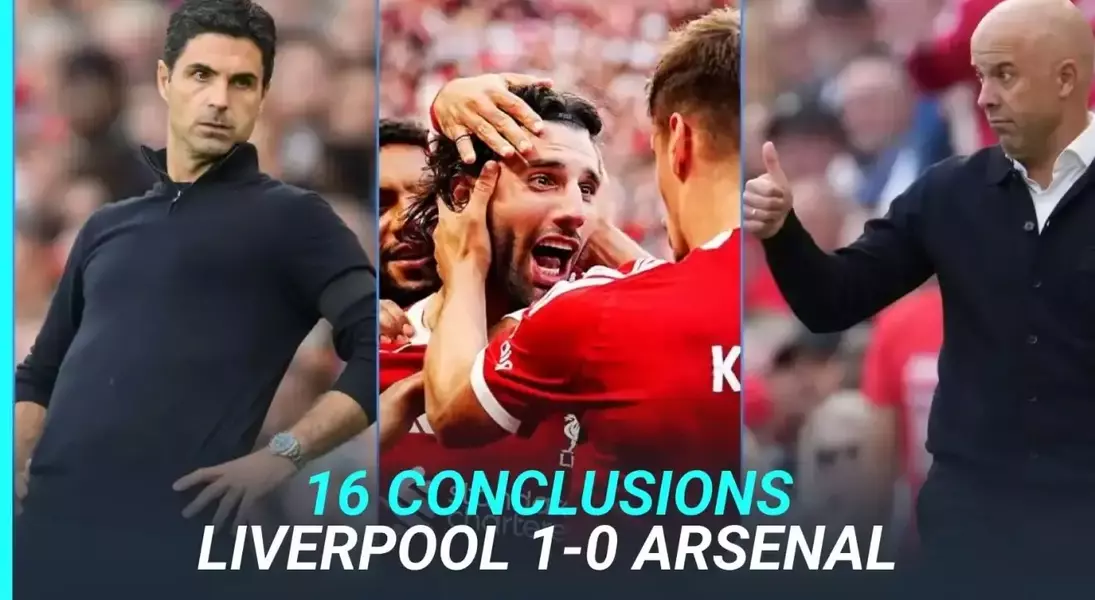
The recent clash between Liverpool and Arsenal at Anfield offered a compelling narrative of tactical ingenuity and clutch moments. Dominik Szoboszlai's decisive free-kick secured a narrow 1-0 victory for Liverpool, propelling them to the summit of the Premier League before the international break. This encounter served as a profound examination of both clubs' strategic depth and in-game adaptability, sparking widespread discussion among pundits and fans alike about the varying approaches to high-stakes contests in modern football.
While Arsenal faced scrutiny regarding their seemingly cautious tactics and missed opportunities for more aggressive play, Liverpool's managerial decisions and fluid adjustments throughout the game garnered significant praise. The match underscored that success in top-tier football often hinges on seizing pivotal moments and making timely tactical shifts, rather than adhering rigidly to pre-conceived plans. This outcome not only reinforced Liverpool's championship aspirations but also provided valuable insights into the fine margins that define competitive football at the highest level.
Liverpool's Strategic Adaptability and Decisive Moments
Liverpool's victory over Arsenal at Anfield was not merely a result of individual brilliance but a testament to their superior tactical flexibility and ability to capitalize on crucial junctures within the game. Despite a somewhat cautious start, the Reds demonstrated a commendable capacity to adapt their system, particularly through key substitutions like Curtis Jones, which significantly bolstered their midfield and ignited their pressing game. This responsiveness allowed Liverpool to gain a stronger foothold, ultimately paving the way for Dominik Szoboszlai's stunning free-kick that broke the deadlock.
Arne Slot's tactical adjustments played a pivotal role in shifting the momentum, allowing Liverpool to transition from a position of slight inferiority in the first half to asserting dominance. The introduction of players who could drive play from deep and provide coherent links to the attack proved instrumental. Furthermore, the defensive solidity and excellent performances from players like Joe Gomez and the leadership of Virgil van Dijk ensured that Liverpool could withstand Arsenal's attempts to regain control. This match showcased Liverpool's multifaceted approach, emphasizing that success comes from both strategic preparation and the courage to make in-game changes that unlock game-winning opportunities, even when not at their absolute peak performance.
Arsenal's Tactical Conundrum and Missed Opportunities
Arsenal's defeat at Anfield has reignited discussions about their tactical approach in big away games, particularly concerning their perceived lack of adventurousness. While a spectacular free-kick ultimately decided the contest, the introspection within the Arsenal camp is focused on whether a more proactive stance or earlier, more impactful substitutions could have altered the outcome. The inclusion of Mikel Merino and the relatively late introduction of creative players like Eberechi Eze and Martin Odegaard raised questions about Mikel Arteta's strategy, suggesting a preference for physicality that may have limited their attacking impetus.
The match highlighted a recurring challenge for Arsenal when facing top-tier opponents away from home: converting possession and defensive solidity into decisive attacking plays. The ineffectiveness of Gabriel Martinelli, who struggled to make an impact despite his talent, underscored issues in linking play and creating clear-cut chances. Furthermore, the debate surrounding Viktor Gyokeres' role and how best to utilize his strengths in such high-pressure environments reflects an ongoing tactical puzzle for the Gunners. While their resilience and ability to keep the scoreline tight were evident, the game ultimately served as a reminder that to compete for titles, Arsenal must find ways to overcome their historical struggles at challenging venues and inject more offensive courage into their overall game plan.
