This piece examines West Germany's journey to clinching the 1974 World Cup, emphasizing the strategic genius of Franz Beckenbauer and the team's distinctive adaptation of 'Total Football.' We explore the internal and external pressures faced by the squad, the pivotal moments that shaped their campaign, and the tactical decisions that led to their ultimate victory on home soil.
The Path to Glory: West Germany's Unforgettable 1974 World Cup Triumph
The Evolution of a Champion: From Flair to Pragmatism
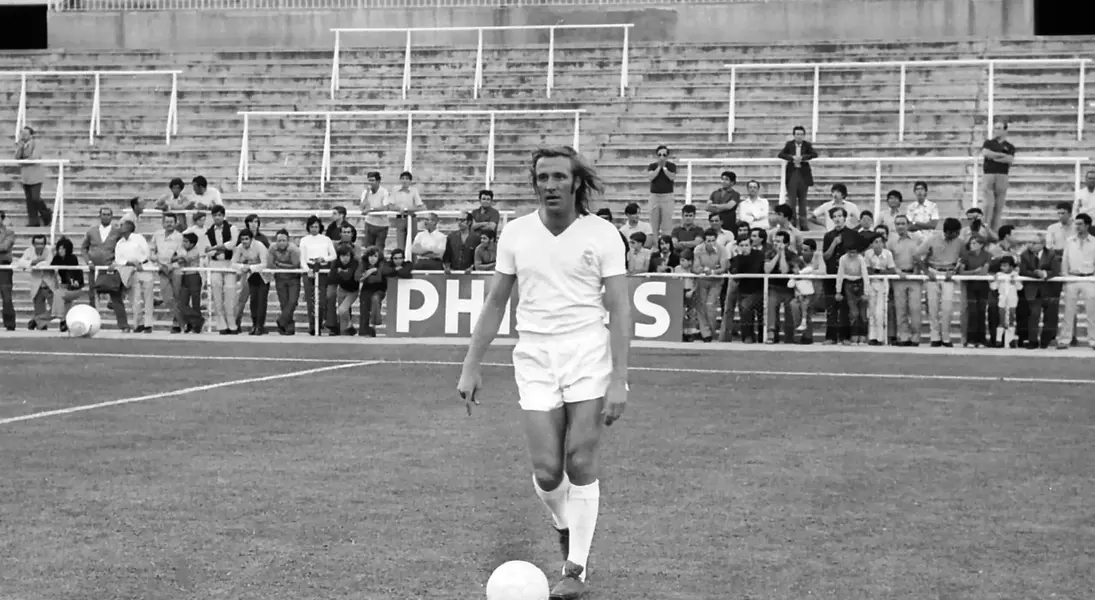
The 1974 World Cup saw host nation West Germany secure victory, yet their path was marked by challenging weather conditions and a departure from their earlier, more flamboyant style. Having captivated audiences with their expansive play during the 1972 European Championship, the team adopted a more measured and less spectacular approach in 1974. A significant factor in this shift was the diminished form of key midfielder Gunter Netzer, whose struggles after a move to Real Madrid prompted the team to rely more on collective discipline and relentless energy rather than individual brilliance.
Internal Turmoil and a Symbolic Setback
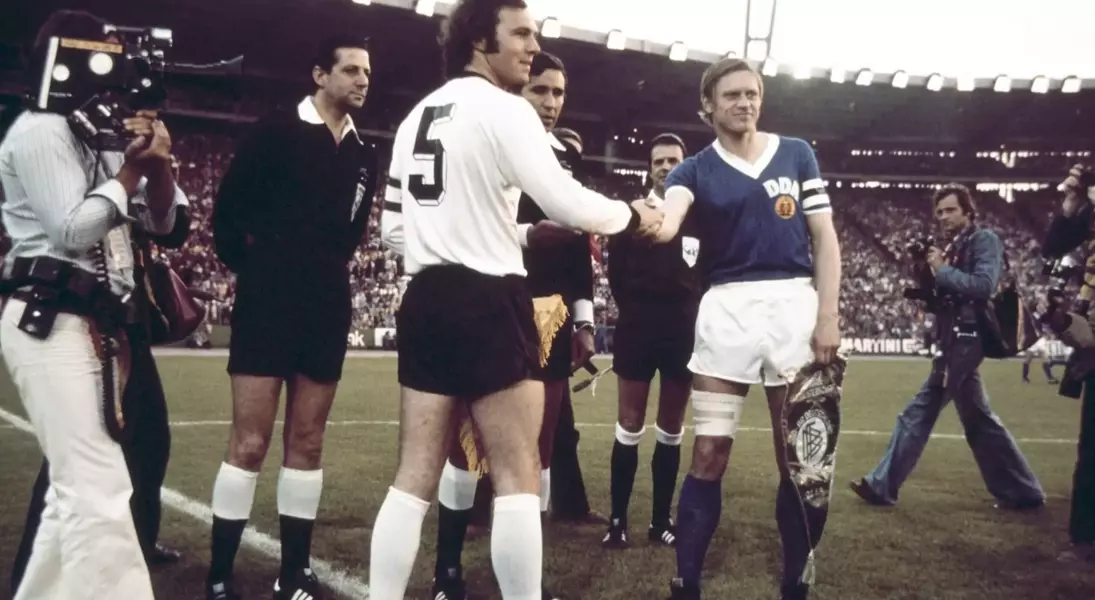
Before the tournament even began, the West German squad faced a major crisis over bonus payments. This dispute, echoing similar tensions with the Dutch team, highlighted the growing influence of financial considerations in international football. Captain Franz Beckenbauer played a crucial role in mediating a resolution, preventing a potential boycott. This internal strife, coupled with a series of unconvincing group stage performances, including narrow victories over Chile and Australia, led to lukewarm fan support. A politically charged encounter against East Germany, the only full international match between the two divided nations, resulted in a symbolic defeat for West Germany. This loss, however, proved to be a turning point, prompting strategic adjustments and ultimately placing them on a more favorable side of the draw in the subsequent group stage.
The Visionary Leader: Helmut Schon's Enduring Legacy
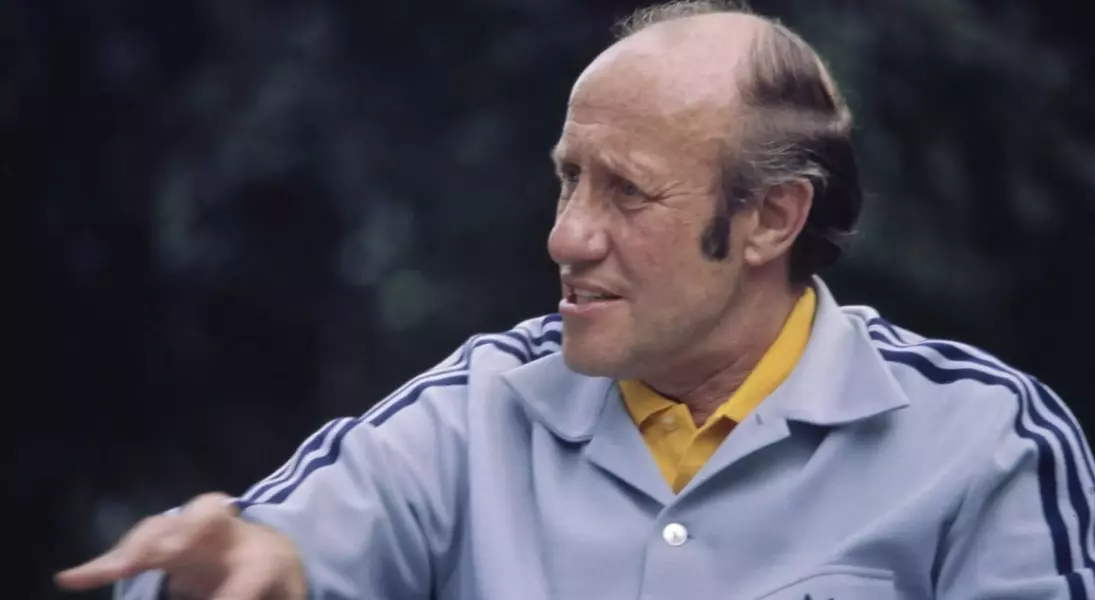
Manager Helmut Schon, a figure with a compelling personal history of fleeing East Germany due to political interference in football, guided West Germany to their World Cup triumph. Despite a decorated coaching career that included a European Championship title in 1972 and previous World Cup successes, Schon experienced his lowest point after the defeat to East Germany. Overwhelmed by the pressure, he was on the brink of resignation. Yet, this setback ultimately spurred him to re-evaluate his team's strategy. By adjusting the lineup and tactical approach, Schon transformed the defeat into a catalyst for success, navigating his team through a less daunting second group stage and towards the final showdown.
The Kaiser's Command: Franz Beckenbauer's Unparalleled Influence
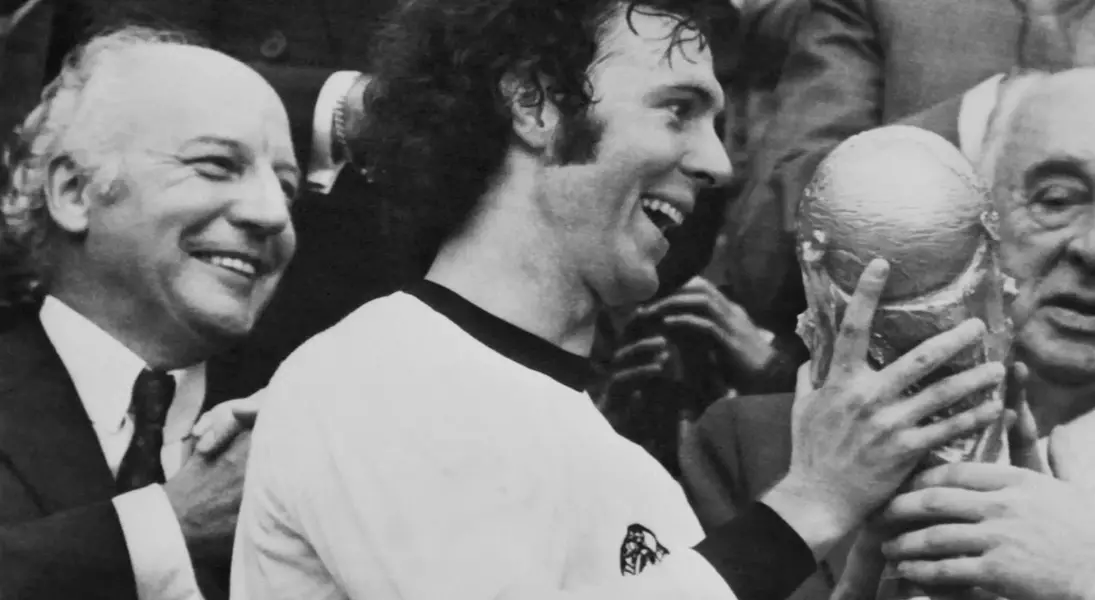
Franz Beckenbauer, widely regarded as football's most influential defender, transcended the conventional role of a sweeper. His innovative interpretation of the position, transforming it from a purely defensive duty into an attacking launchpad, allowed him to drive forward and orchestrate offensive plays. Beyond his on-field prowess, Beckenbauer exerted significant influence as an "old-school" captain, actively participating in team selection and tactical discussions. Following the team's underwhelming group stage, he advocated for the inclusion of fresh talent like Bernd Holzenbein and Rainer Bonhof, both of whom played crucial roles in the final. His leadership extended to public appearances, where he often took the lead in addressing tactical inquiries, foreshadowing his future success as a World Cup-winning manager himself.
Total Football, German Style: Tactical Mastery and Adaptability
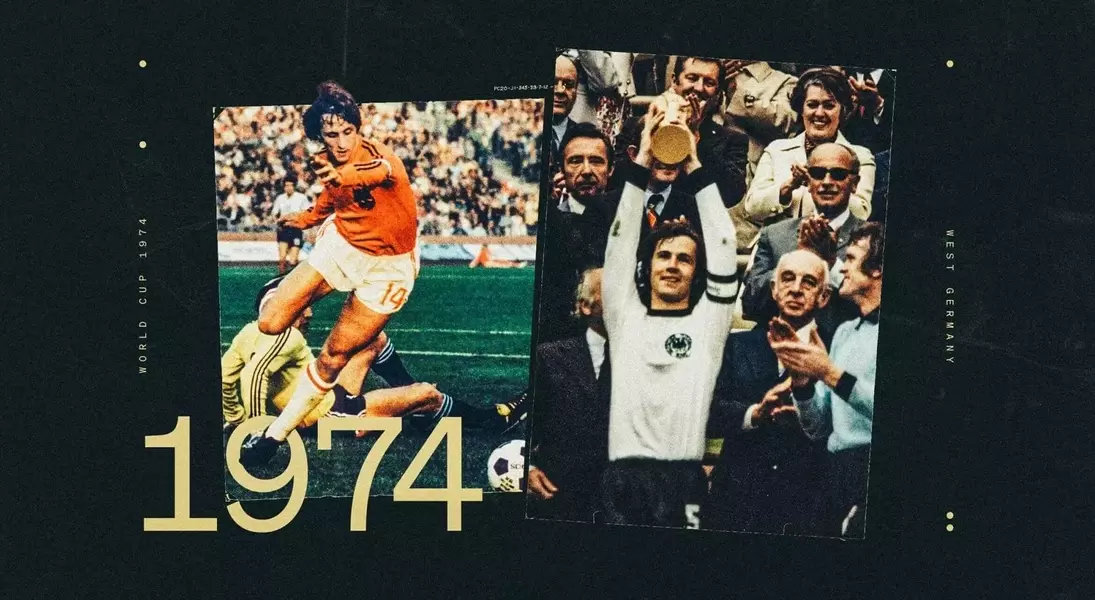
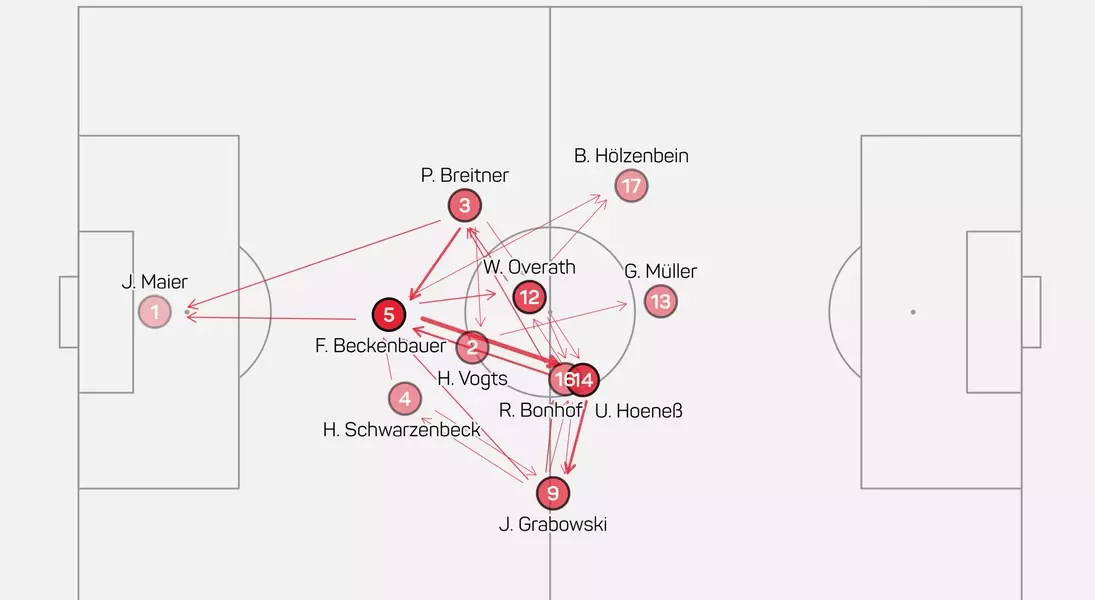
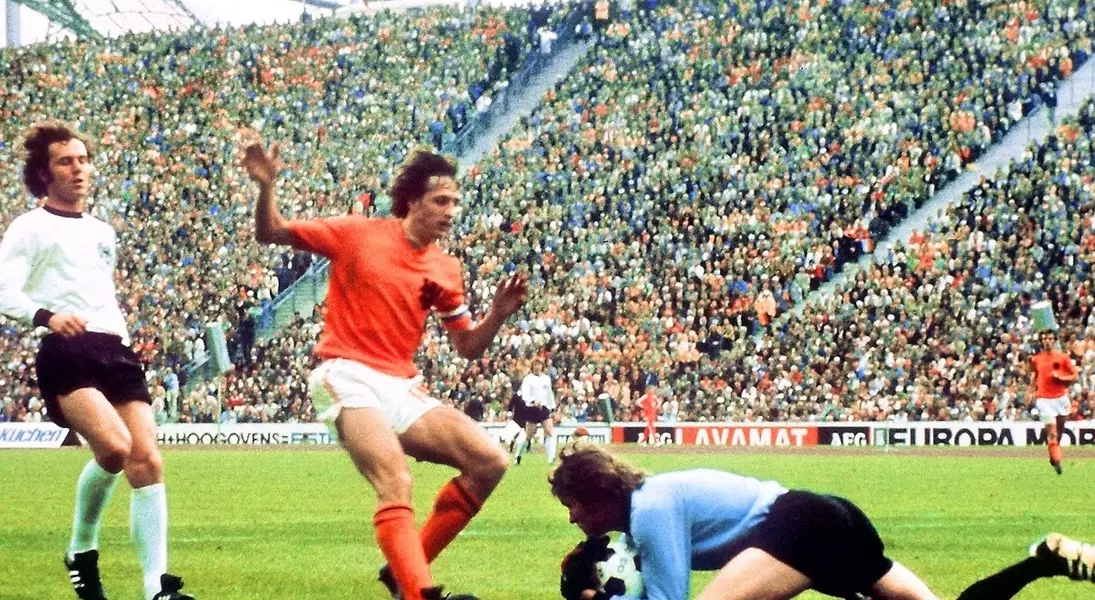
West Germany's tactical approach at the 1974 World Cup, while often compared to the Dutch "Total Football," possessed its own distinct characteristics. The team's fluidity and adaptability were evident, particularly after the loss to East Germany. Beckenbauer's forward runs from deep, coupled with the versatile play of left-back Paul Breitner, who seamlessly transitioned between defensive and attacking roles, exemplified their dynamic style. The final saw Berti Vogts tasked with neutralizing Johan Cruyff, a strategic move that constrained the Dutch maestro's influence. Despite embracing the "Total Football" ethos, West Germany's players, as expressed by Jurgen Grabowski, understood it as a fundamental principle where every player contributed to both attack and defense, a concept they believed would define future footballing eras. Their passing network from the final revealed Beckenbauer and Uli Hoeness as central playmakers, while Gerd Muller maintained his unique, seemingly disconnected yet highly effective, goal-scoring role.
The Dramatic Final: A Clash of Styles and a Decisive Strike
The 1974 World Cup final began with an immediate shock as the Netherlands scored from a penalty within the first minute, setting the stage for a tense battle. Despite initial expectations of a duel between Cruyff and Beckenbauer, neither player dominated, with Vogts effectively neutralizing Cruyff. The Dutch faced criticism for their conservative approach after taking the lead, opting to retain possession rather than aggressively pursue more goals. West Germany's equalizer came from a penalty, controversially awarded for a foul on Holzenbein, which Breitner calmly converted. Helmut Schon's post-match comments underscored his team's resilience, stating that "a match lasts 90 minutes and the better fighters won it." This sentiment highlighted West Germany's unwavering determination in the face of an early deficit.
Gerd Muller's Unsung Heroics: The Defining Moment
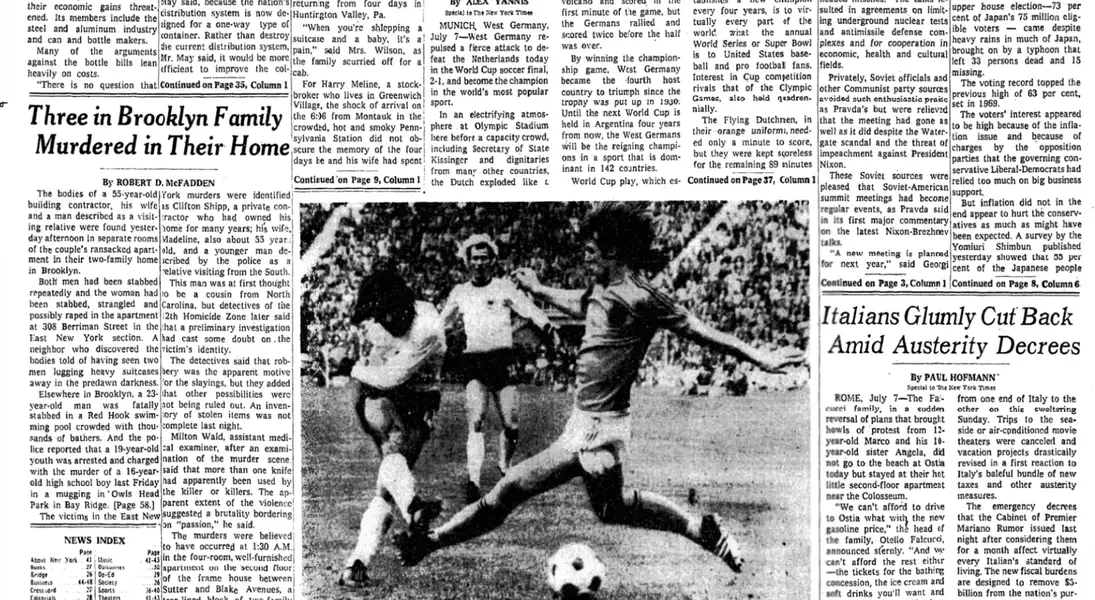
Gerd Muller's winning goal just before halftime, a characteristic swivel and strike, remains a less celebrated but equally crucial moment in World Cup history compared to other iconic final goals. Muller, an exceptional finisher of his generation, surpassed Just Fontaine's record with this, his 14th World Cup goal. The narrative of Dutch misfortune in the final is often told, yet West Germany also had a clear goal disallowed due to an erroneous offside call in the second half. Muller's decisive contribution, a testament to his prolific career, even made the front page of The New York Times, solidifying its place in football lore.
Assessing the Champions: Were They Truly the Best?
While West Germany's victory in 1974 might not be universally acclaimed as a triumph of overwhelming superiority, their team was undeniably closely matched with the Netherlands in both style and ability. Unlike the 1954 upset against the seemingly invincible Hungarians, this victory represented the triumph of a disciplined, technically skilled, and tactically astute side over a more flamboyant opponent. Some contemporary observers even considered Poland to be the most exciting team of the tournament. Critiques from figures like Brian Glanville suggested that both finalists would have struggled against the legendary Brazil of 1970, or even West Germany's own 1972 European Championship-winning squad. Eric Batty's cynical assessment labeled West Germany "mediocre" and "very fortunate winners," suggesting their success was largely due to playing on home soil. However, history would show that West Germany's triumph was a significant achievement, cementing their place as World Cup champions and foreshadowing future successes in the years to come.
