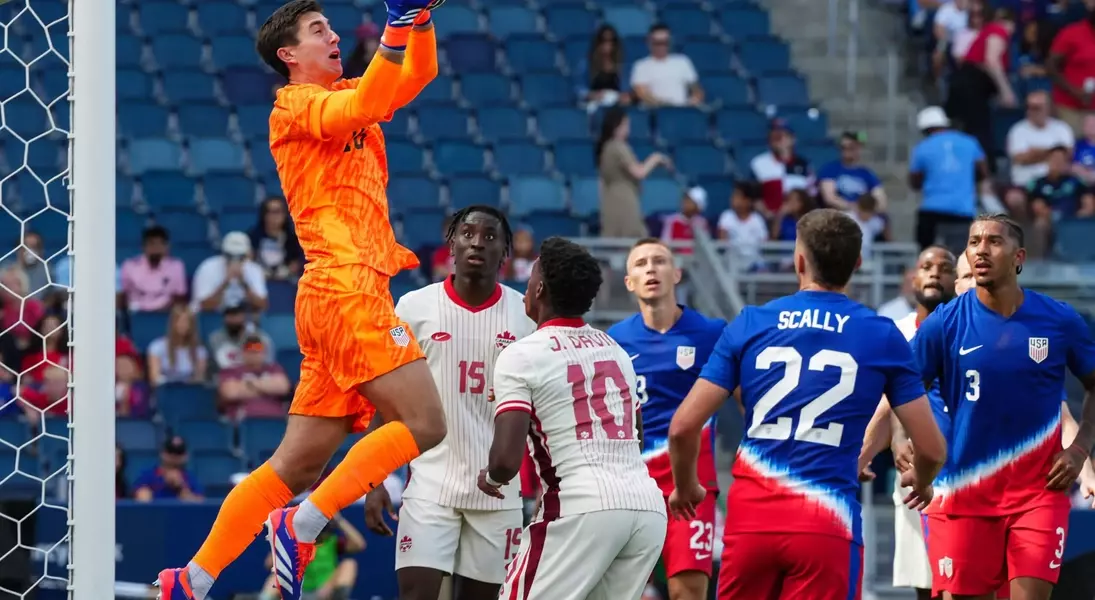
For decades, the American goalkeeper was a familiar and steadfast presence in top-tier soccer, particularly in the English Premier League, earning a reputation for dependability and consistent performance. This era, spanning from the mid-1990s to the mid-2010s, saw a succession of U.S. shot-stoppers becoming household names. However, as the 2026 World Cup draws closer, the landscape has dramatically shifted, leaving the USMNT grappling with an unprecedented level of uncertainty in this crucial position. This article delves into the reasons behind this decline, examining the tactical evolution of the game, the changing dynamics of player recruitment, and the efforts currently underway to rejuvenate American goalkeeping talent.
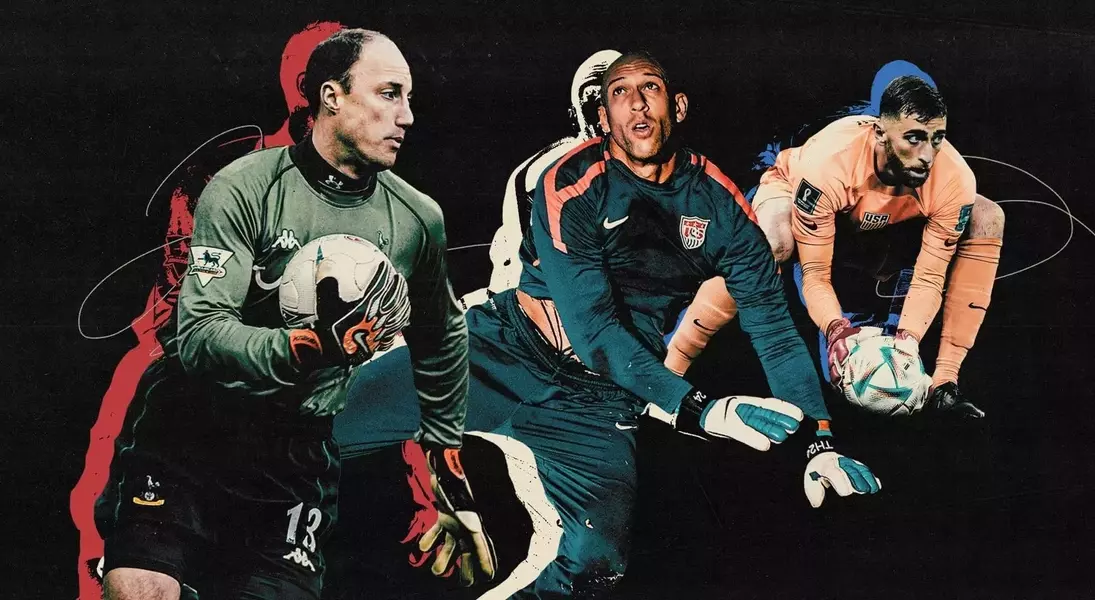
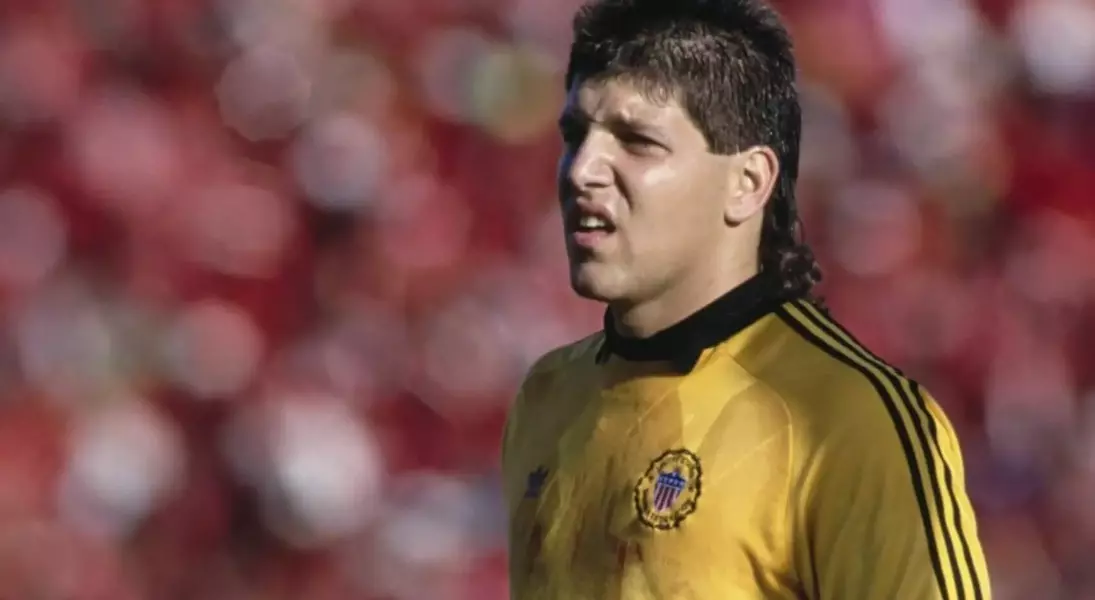
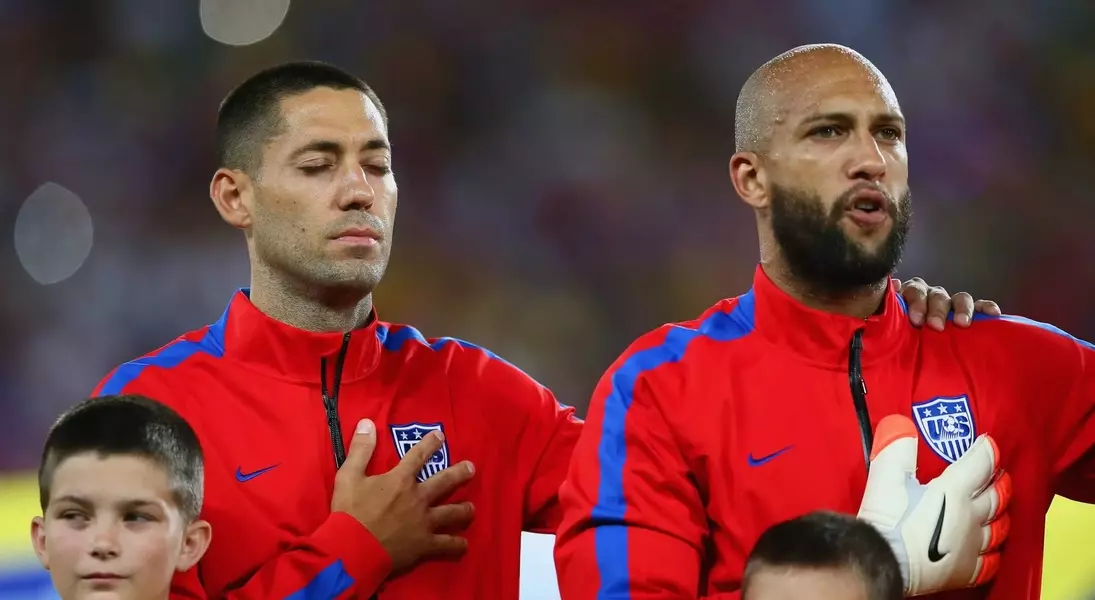
The era of American goalkeeping dominance in Europe, notably in the Premier League, was characterized by the consistent presence of players like Tony Meola, Brad Friedel, Kasey Keller, and Tim Howard. These goalkeepers were not only mainstays for their clubs but also provided a bedrock of stability for the USMNT in multiple World Cup campaigns. Their success was often attributed to a combination of natural athleticism, strong hand-eye coordination, and a confident demeanor—qualities that were seen as quintessentially American in sports. This period fostered a perception that American goalkeepers were a reliable export, akin to certain countries producing top playmakers or defenders.
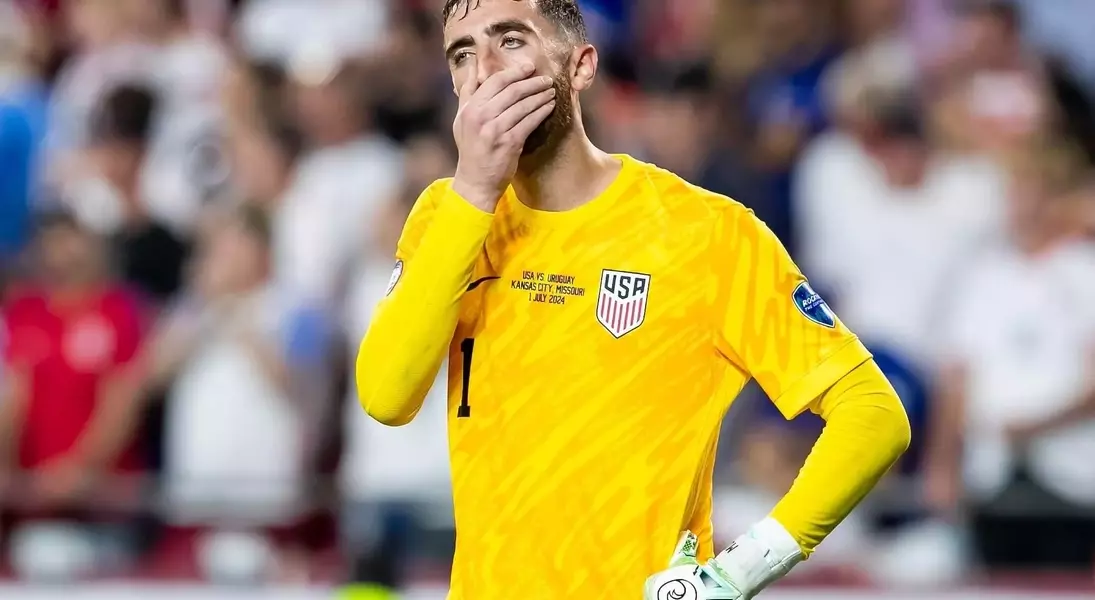
However, this trend began to reverse around 2016, coinciding with the departure of key figures like Tim Howard and Brad Guzan from the Premier League. The subsequent attempts by American goalkeepers, such as Zack Steffen and Matt Turner, to establish themselves in top European clubs often saw them relegated to backup roles or struggling with the demands of modern football, particularly in ball-playing abilities. This shift is largely attributed to the radical transformation of the goalkeeper's role, spearheaded by coaches like Pep Guardiola. The traditional shot-stopper has evolved into a 'sweeper-keeper' who is integral to initiating attacks and comfortable with distributing the ball from the back, a skill set that was not historically prioritized in American goalkeeping development.
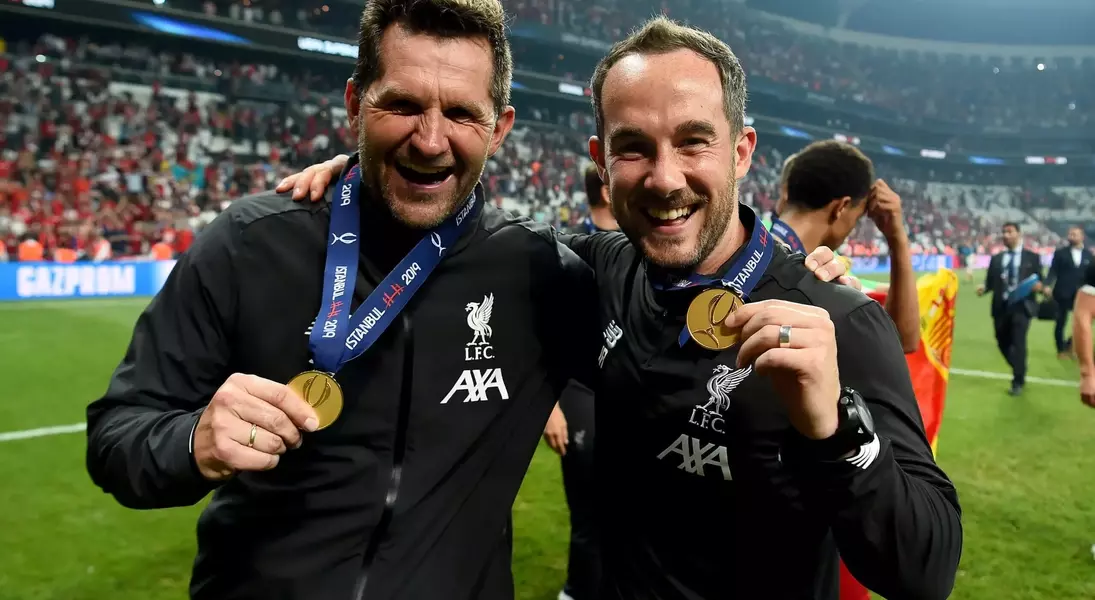
U.S. Soccer is keenly aware of this challenge and is implementing new strategies to adapt. Jack Robinson, the head of goalkeeping for U.S. Soccer, with a background at prominent European clubs like Liverpool, is leading initiatives to revamp coaching education. This includes creating specialized goalkeeping coaching licenses and developing accessible training materials for coaches at all levels, from elite academies to grassroots youth programs. The aim is to foster a new generation of goalkeepers who possess not only traditional shot-stopping prowess but also the modern competencies in ball distribution and tactical awareness, ensuring they are versatile enough to thrive in any system or formation. The organization is also expanding its talent identification camps, particularly for goalkeepers, across various geographic regions to cast a wider net and engage with local youth coaches.
Another significant hurdle is the limited match experience available to young goalkeepers, especially abroad. Unlike outfield players who can gradually integrate into a team through substitute appearances, goalkeepers typically either start or don't play. This makes it difficult for American prospects to gain the necessary rhythm, consistency, and resilience required to perform at the highest levels. The current competition for the USMNT's starting goalkeeper spot ahead of the 2026 World Cup primarily involves players competing within MLS, highlighting the scarcity of American goalkeepers in prominent European roles. This domestic focus underscores the immediate need to cultivate talent within the U.S. league system while simultaneously preparing players for the rigorous demands of international competition.
The current efforts by U.S. Soccer aim to build a sustainable pipeline of goalkeeping talent, moving away from relying on sporadic individual successes. The objective is to produce goalkeepers who exhibit emotional control, adaptability, and the ability to perform under pressure, ultimately impacting the game effectively. By focusing on comprehensive coaching, broad talent identification, and creating more opportunities for game experience, the hope is to re-establish the American goalkeeper as a dependable asset on the global stage. This renewed emphasis on fundamental development and modern tactical understanding is crucial for the USMNT to solidify its last line of defense and compete fiercely in future World Cups, inspired by the legacy of past greats while embracing the evolving demands of the sport.
