Mauricio Pochettino's tenure as head coach of the U.S. Men's National Team has been marked by significant struggles, leaving the squad in a state of disarray just months before the 2026 World Cup. Despite his initial promises of transforming the team into a cohesive and competitive force, the USMNT has regressed, displaying a concerning lack of on-field chemistry and tactical understanding. Their recent performances, including a notable defeat to South Korea, have raised serious doubts about their preparedness for the upcoming global tournament.
USMNT's Rocky Road to the World Cup
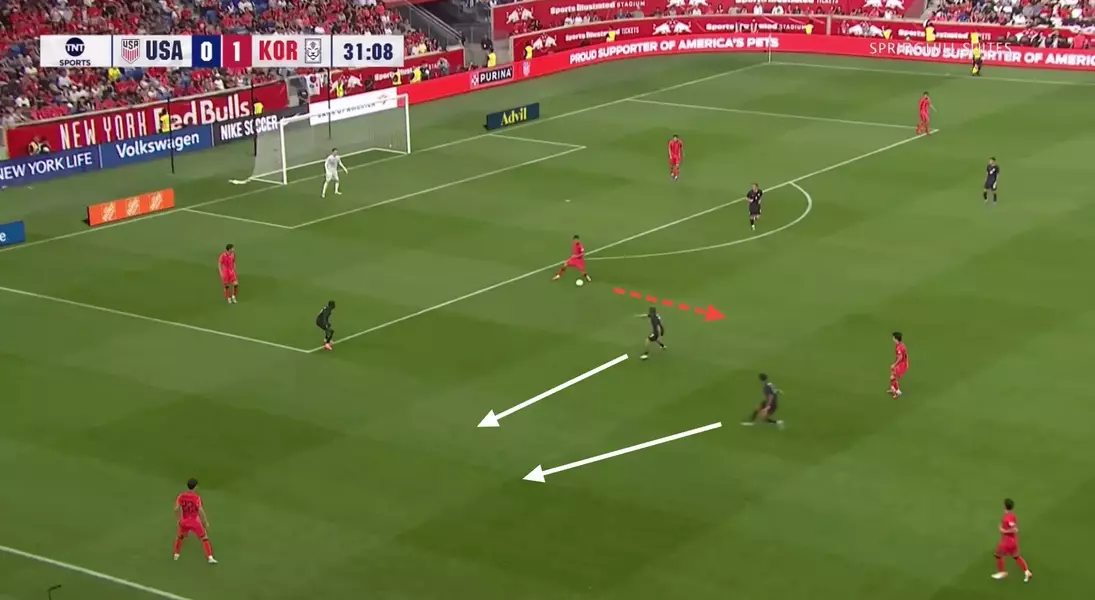
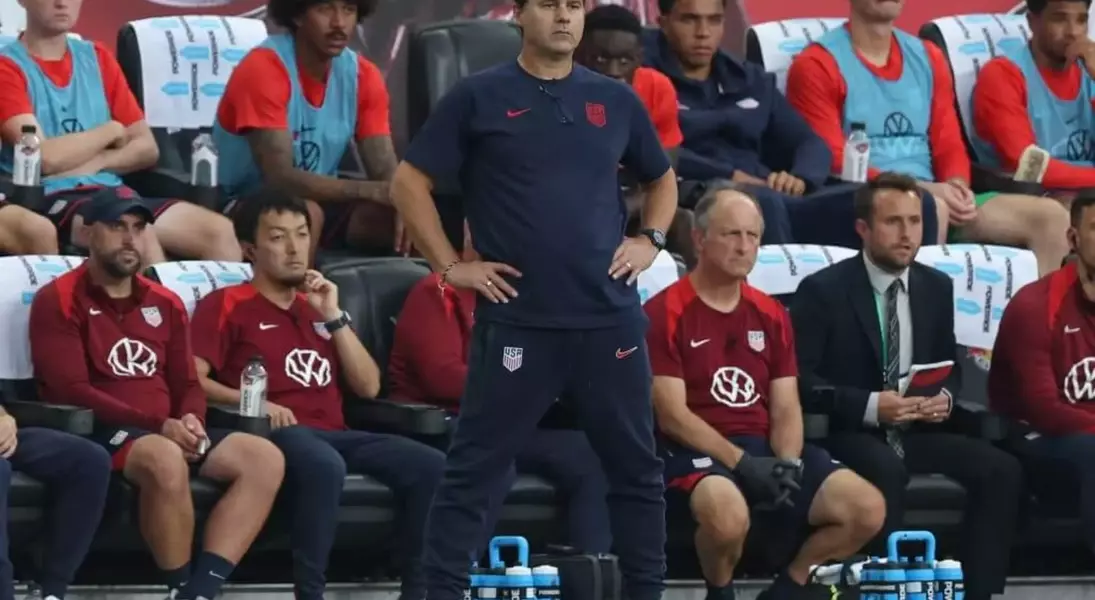
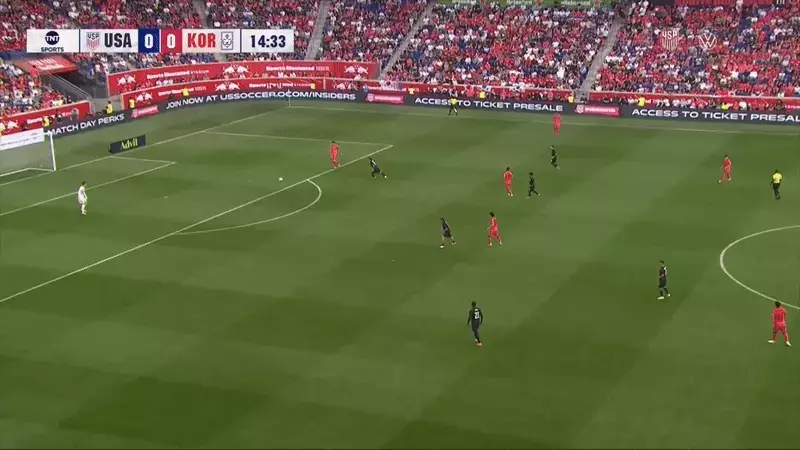
Upon his appointment last fall, Mauricio Pochettino presented an ambitious vision for the U.S. Men's National Team, emphasizing principles of ball possession, game dominance, and relentless defensive pressure. Yet, nearly a year into his leadership, these ideals remain largely unrealized. The team, comprising a mix of seasoned stars and less experienced players, often appears disjointed and out of sync. This tactical disarray was glaringly evident in their 2-0 loss to South Korea in Harrison, N.J., on a recent Saturday. During the match, critical defensive lapses, such as confusion over marking assignments and poor structural integrity behind key players like Christian Pulisic, contributed directly to the opponent's goals. Players like Tim Weah and Diego Luna struggled with coordination on the left flank, while Sebastian Berhalter's hesitant defending exposed vulnerabilities. The team's collective frustration was palpable, as individual players attempted to compensate for systemic failures, leading to further miscommunications. According to Elo Ratings, the USMNT's current standing is the lowest it has been in the 21st century, having lost all six matches against top-35 ranked teams under Pochettino's command. Despite the coach's optimistic outlook post-match, suggesting that results only truly matter at the World Cup itself, this perspective clashes with the team's current trajectory. While there's a theoretical hope that the return of key players like Christian Pulisic, Tyler Adams, and Weston McKennie could revitalize the squad, the persistent issues with on-field chemistry and communication suggest a deeper problem. The pressing concern is whether these fundamental issues can be resolved in time for the crucial opening match at SoFi Stadium on June 12, as the team grapples with the stark reality that progress has been elusive.
This period of struggle offers a crucial lesson in team development: while talent is undoubtedly important, consistent performance and strong leadership are paramount. The USMNT's current predicament underscores that without a clear, executable strategy and strong on-field cohesion, even a roster of skilled individuals can falter. It highlights the delicate balance between fostering competition and maintaining a unified team identity. Moving forward, the focus must shift from theoretical potential to tangible improvements, ensuring that every player understands their role and executes it flawlessly. The journey to the World Cup is not just about individual brilliance but about collective synergy, and for the USMNT, the path to reclaiming their form demands immediate and impactful adjustments.
