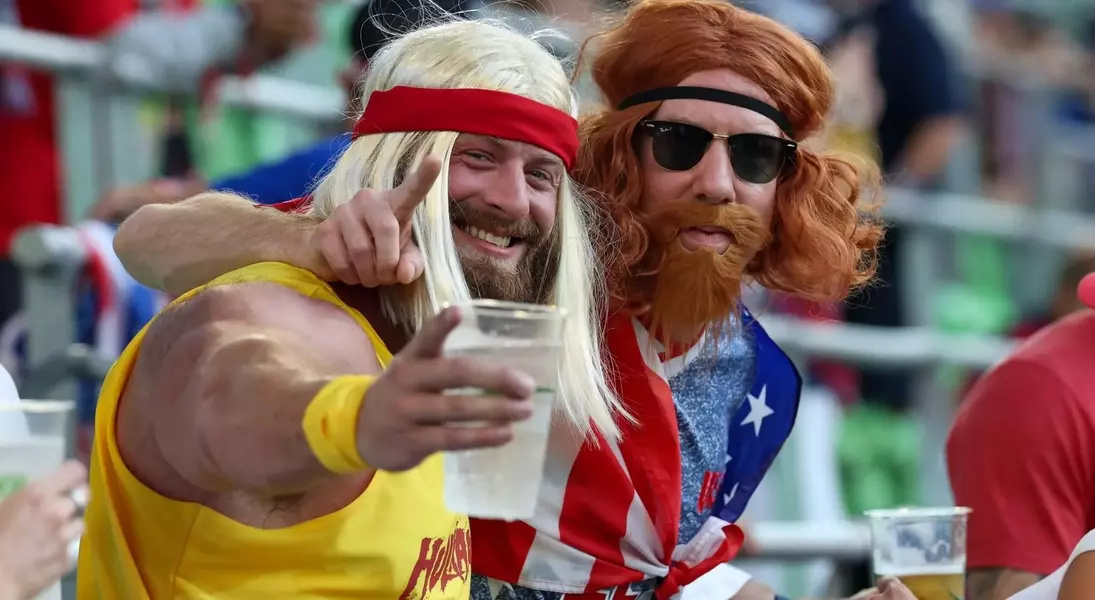


The United States Men's National Team (USMNT) consistently confronts a significant hurdle: cultivating a robust and dependable home crowd presence. This enduring challenge has recently come into sharp focus through the observations of head coach Mauricio Pochettino, who has been candid about the disparity between passionate visiting fan bases and the often-sparse or divided support for the national team. This article delves into the intricate factors contributing to this phenomenon, including historical ticketing policies that prioritized revenue over accessibility, the complexities of stadium selection, and broader cultural dynamics that shape the American soccer landscape as the nation prepares to host a transformative global tournament.
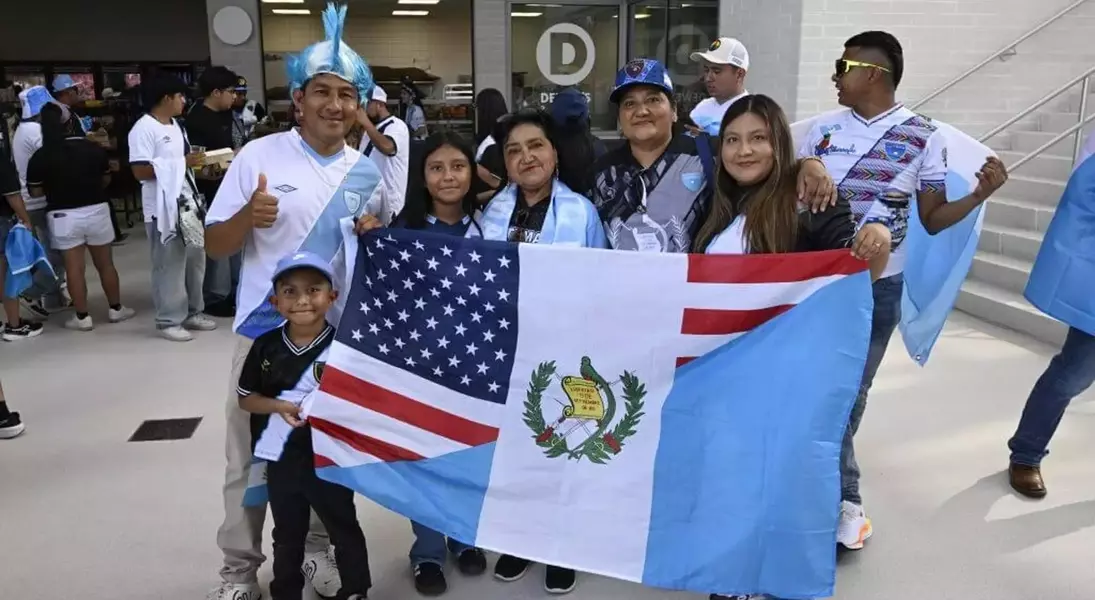
Since assuming leadership of the USMNT last fall, coach Pochettino has encountered a stark reality concerning American football culture. His initial competitive matches were part of doubleheader events organized by Concacaf, where a substantial portion of ticket holders for later games, primarily featuring Mexico, did not attend the USMNT's earlier fixtures. Subsequently, during the Gold Cup, Pochettino witnessed the profound enthusiasm of immigrant communities in the U.S. firsthand, as Guatemalan supporters significantly outnumbered American fans in St. Louis during the semi-finals, and Mexican fans created an undeniable home-field advantage for their team in Houston for the final. This trend continued with several games between September 2024 and July 2025 drawing fewer than 18,000 spectators, a notable contrast for a coach accustomed to fervent home crowds in Argentina. Following the final match, Pochettino passionately urged American football enthusiasts to rally behind their national team, emphasizing the critical role of fan presence in motivating players and fostering an electric atmosphere, lamenting the disconnect between online support and tangible stadium attendance.
Pochettino's candid remarks underscore a long-standing attendance dilemma that has plagued the program for over a decade. This issue can be traced back to a ticketing strategy that historically prioritized financial gain over making games accessible to a broader audience. A pivotal presentation at a U.S. Soccer board meeting in 2017 revealed a shift from the 1998 World Cup cycle to the 2018 cycle, favoring smaller venues and significantly higher ticket prices. While average ticket prices surged from $28.05 in 2002 to $97.06 by 2018 (a cycle during which the U.S. men's team failed to qualify for the World Cup), revenue more than doubled, from $7 million across eight games to $17.6 million. However, this financial gain came at a steep cost to attendance, which plummeted from 249,266 fans to 181,090 during the same period. This undeniable correlation suggests that rising prices inevitably altered the socioeconomic composition of attendees. David Wright, U.S. Soccer's chief commercial officer, acknowledges the organization's dramatic evolution in recent years, stressing the ongoing balance between revenue generation—essential for funding various national teams, coaching, refereeing, and youth programs—and ensuring accessibility for fans.
In a tangible effort to enhance accessibility, U.S. Soccer recently forged an agreement with the American Outlaws, their largest supporters' group. This partnership caps ticket prices for supporters at federation-hosted matches through October 2026 at $45 (plus fees) and facilitates direct sales from the Outlaws to their members. Justin Brunken, co-founder of the American Outlaws, hailed this initiative as a crucial step in removing a significant financial barrier and fostering a sense of community among fans. Beyond this, U.S. Soccer has intensified its outreach to college students, offering discounted tickets to encourage younger demographics to engage with the sport at stadiums. The organization's internal commercial restructuring since 2022, moving away from Soccer United Marketing, has led to a substantial increase in commercial and event revenue, projected to exceed $200 million. Additionally, an expanded "advancement" team focusing on donations has dramatically boosted contributions, from an annual average of $4-6 million to approximately $70 million, with significant funds directed towards initiatives like hiring Pochettino and supporting women's and girls' soccer development. While ticket revenue's percentage of total income may decrease, its importance in engaging fans and providing marquee events remains paramount, as highlighted by Wright.
The process of selecting venues for USMNT games is fraught with complexities, making it challenging to consistently find the optimal blend of market appeal, pricing, and opponent to achieve sporting objectives, fan engagement, and financial targets. John Terry, U.S. Soccer's senior director of events, navigates a myriad of factors, including opponent preferences regarding travel, the availability of suitable training facilities (often making cities like Austin and St. Louis favorable due to their infrastructure), and the competitive landscape of other major sports leagues and events during the fall season. Considerations such as the cost and quality of temporary grass surfaces, venue capacity, and ticket demand in specific markets all play a role. Furthermore, scheduling must account for future windows and both men's and women's national team fixtures. Despite these intricate considerations, repeat visits to certain cities are sometimes unavoidable, as exemplified by Austin hosting both a friendly and a Gold Cup group stage game within a short period. The increasing number of European-based players also complicates West Coast scheduling, although a growing presence of MLS players under Pochettino offers some flexibility. Recent efforts to explore new markets, such as San Antonio, New Jersey, and a reported friendly in Tampa, signify a deliberate strategy to broaden the sport's reach. While maximizing home-field advantage remains a goal, the demographic diversity of the U.S. means that crowds may sometimes favor visiting teams, a reality acknowledged by U.S. Soccer. The organization views this diversity as a powerful asset, representing a vast opportunity to engage 130 million football fans—a number expected to grow significantly after the upcoming World Cup. Ultimately, the true measure of success for the World Cup's impact will extend beyond on-field results, resting heavily on U.S. Soccer's ability to effectively connect with fans by getting the cities, venues, and ticket prices right, thereby fostering a lasting legacy for the sport.
