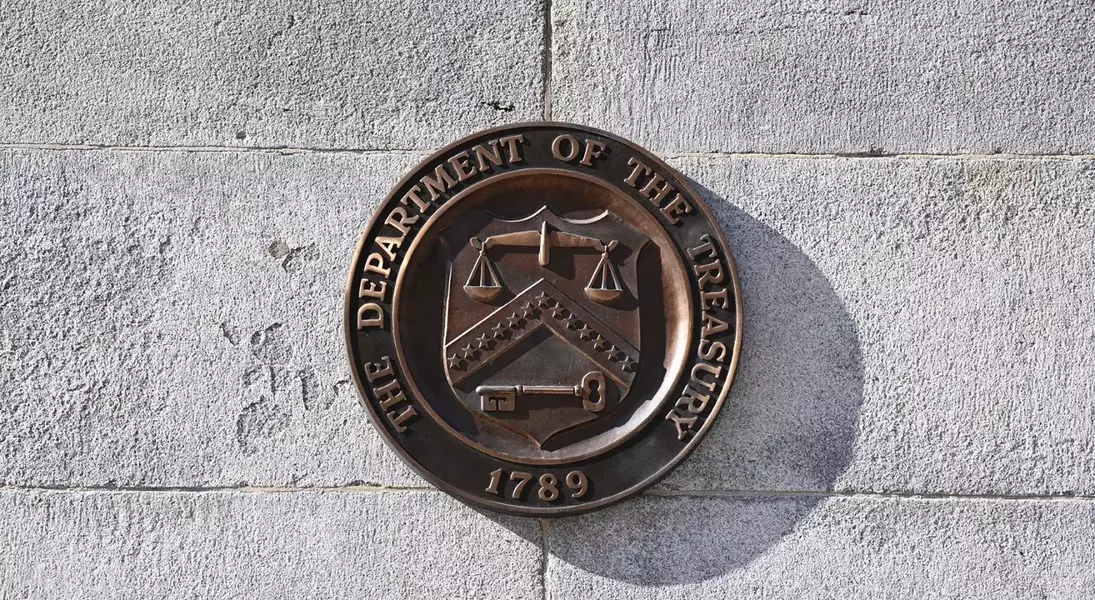
The United States Treasury Department has taken decisive action against a prominent Mexican rapper, alleging his direct involvement in financial schemes benefiting a powerful drug cartel. This move highlights the government's escalating efforts to dismantle the intricate economic infrastructure supporting transnational criminal organizations, extending their reach into seemingly legitimate industries such as entertainment. The sanctions imposed are a clear message that individuals leveraging their public platforms for illicit gains will face severe repercussions, impacting their global financial activities and professional careers.
US Treasury Department Targets Rapper in Major Anti-Cartel Operation
In a significant announcement on Wednesday, August 6, 2025, the United States Treasury Department, specifically through its Office of Foreign Assets Control (OFAC), disclosed comprehensive sanctions against Ricardo Hernandez Medrano, widely known by his stage name, El Makabelico. The U.S. government accuses the popular Mexican artist of operating as a “prominent associate” of the Cartel del Noreste (CDN), an organization previously identified as Los Zetas, infamous for its brutal drug trafficking operations. According to the Treasury, El Makabelico allegedly engaged in extensive money laundering activities, diverting funds generated from his concerts and a substantial fifty percent of his music streaming royalties directly to the CDN.
The official statement from the Treasury Department emphasized that criminal organizations like the CDN are increasingly reliant on diverse income streams beyond traditional illicit activities such as drug trafficking, human smuggling, and extortion. By exploiting alternative revenue sources and sophisticated money laundering techniques, they seek to bolster their vast criminal enterprises. The designation of El Makabelico under these sanctions means that all his interests and properties within the United States are now frozen. Furthermore, any individual or entity in the U.S. is strictly prohibited from engaging in transactions with him, with potential civil and criminal penalties for non-compliance. This far-reaching measure is set to significantly impact El Makabelico, who commands a substantial digital presence with over three million monthly listeners on Spotify and tens of millions of streams for tracks like “El Sobrino,” “El Two Six,” and “Fuerzas Especiales Minimi,” songs that overtly reference the CDN.
Adding another layer to this unfolding narrative, El Makabelico is reportedly affiliated with Del Records, a music label whose CEO, Ángel Del Villar, was recently convicted on federal charges linked to cartel-associated concert promoters in Mexico. Del Villar's sentencing is anticipated later this month, where he could face a substantial prison term exceeding six years, in addition to significant financial penalties. This connection suggests a broader pattern of alleged financial entanglement between elements of the music industry and criminal syndicates. Alongside the sanctions against El Makabelico, the Treasury Department also announced similar measures against several high-ranking CDN members, including Abdon Federico Rodriguez Garcia, Antonio Romero Sanchez, and Franky Esqueda, signaling a concerted effort to dismantle the cartel's leadership and financial support structures.
From a journalistic perspective, these revelations paint a sobering picture of the insidious ways in which organized crime infiltrates and exploits mainstream culture. The alleged use of music streaming revenues for money laundering underscores a critical vulnerability in the digital entertainment landscape. It challenges artists and industry professionals to consider their affiliations more carefully and pushes regulatory bodies to enhance oversight. For the general public, it serves as a stark reminder that the glamour of celebrity can sometimes mask darker, more dangerous realities. This case demands greater transparency across the entertainment sector and prompts a deeper conversation about corporate responsibility in combating financial crimes. The actions by the U.S. Treasury are not just legalistic maneuvers; they are a powerful declaration against the normalization of narcoculture and a call for accountability from all who profit from it, directly or indirectly.
